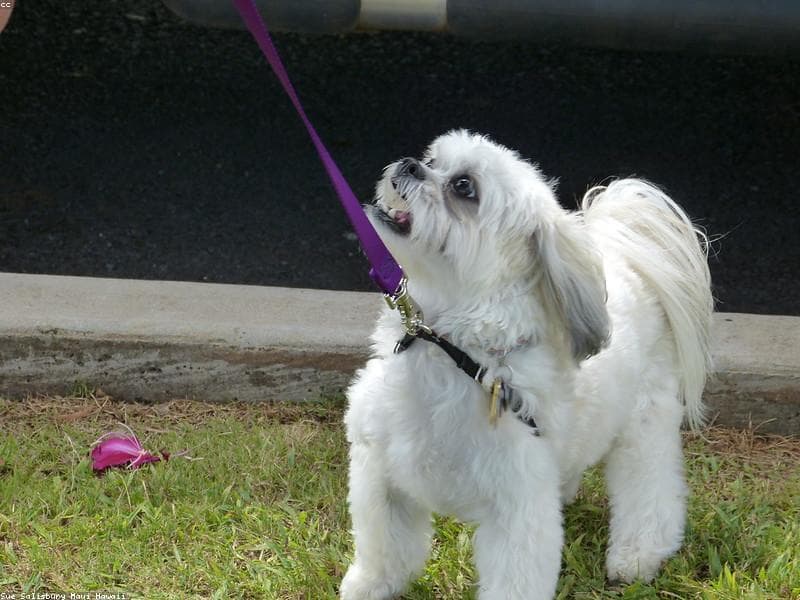
Dog aggression is one of the most concerning behavioral issues Indian dog parents face. Whether it's your dog lunging at street dogs during walks, growling at strangers during Diwali gatherings, or resource guarding food bowls, aggressive behavior can make daily life stressful and potentially dangerous. Understanding the root causes and implementing proper training can transform even the most reactive dog into a calm, confident companion.
This comprehensive guide explores dog aggression in the Indian context—from identifying triggers like street dog encounters and festival crowds to proven training methods including desensitization and counter-conditioning. You'll learn when aggressive behavior requires professional intervention, what training costs to expect (₹15,000-45,000), and how to keep your family and community safe while rehabilitating your dog.
Understanding Dog Aggression: What It Really Means
Dog aggression isn't just about "bad dogs"—it's a complex behavioral response rooted in fear, anxiety, genetics, or learned behavior. Aggression is a normal canine communication tool used to create distance from perceived threats. The problem arises when dogs use aggression inappropriately or when intensity escalates beyond warning signals.
In India, aggression often develops from early negative experiences: puppies attacked by street dogs, lack of socialization during critical periods (3-14 weeks), or traumatic encounters during festivals when strangers invade their space. Understanding your dog's specific triggers is the first step toward effective rehabilitation.
Note
Important distinction: Aggression ≠ Dominance. Modern animal behaviorists have debunked "alpha dog" theories. Most aggression stems from fear, not a desire to dominate. Punishment-based training often worsens aggressive behavior by increasing fear and anxiety.
Types of Dog Aggression (Indian Context)
1. Fear-Based Aggression
The most common form in India. Dogs who were attacked by street dogs or poorly socialized during puppyhood often develop fear aggression. Triggers include:
- **Street dog encounters:** Sudden barking/lunging when spotting strays during walks
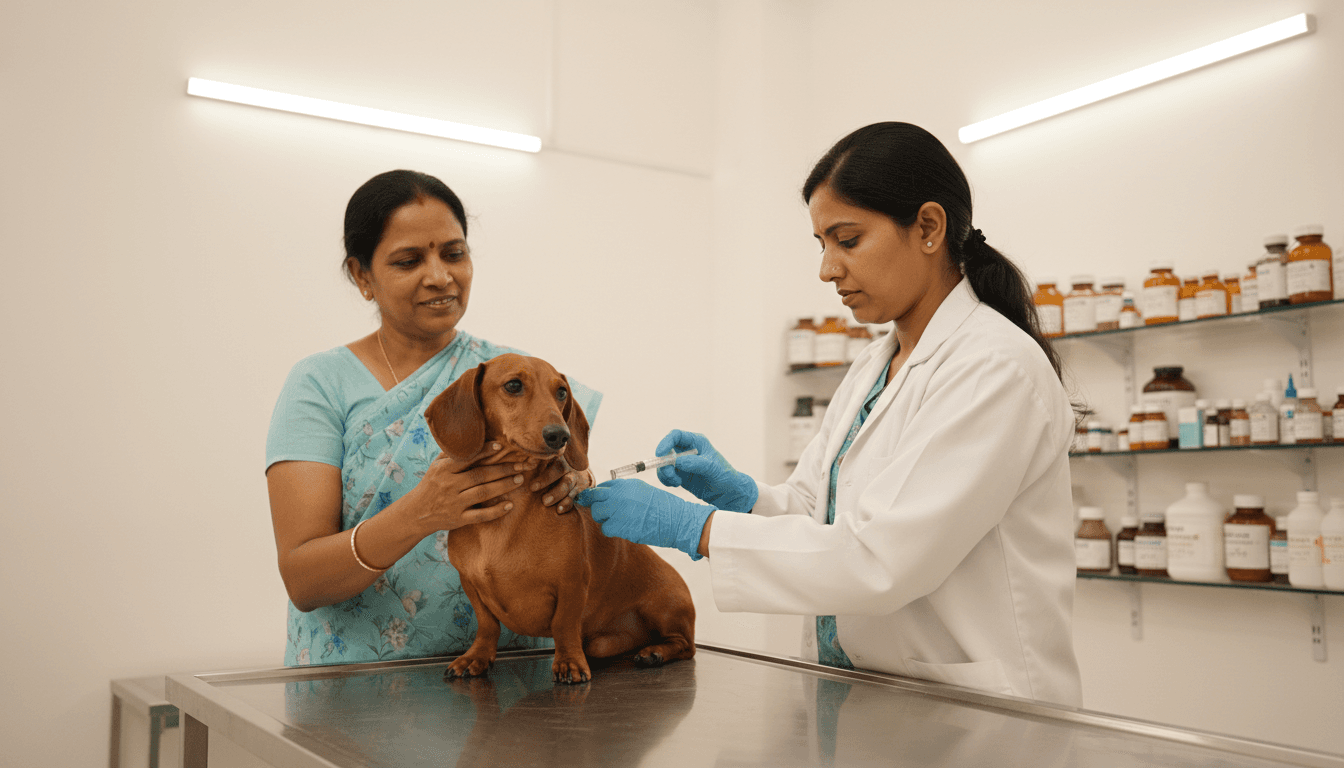
- **Veterinary visits:** Snapping or growling when handled by vets (white coat syndrome)
- **Strangers approaching:** Defensive barking when delivery persons or guests arrive
- **Confined spaces:** Aggression when cornered in elevators or narrow gullies
- **Loud noises:** Reactive behavior during festivals (crackers, drums, crowds)
Note
Fear biters often show "whale eye" (whites of eyes visible), flattened ears, tucked tail, and lip licking before snapping. Learn to read these warning signs to prevent bites.
2. Territorial Aggression
Common in Indian apartments and independent houses where dogs perceive their home as territory to defend:
- **Doorbell/gate aggression:** Explosive barking/charging when visitors arrive
- **Window guarding:** Barking at pedestrians or dogs passing by
- **Perimeter patrol:** Aggression toward people approaching building gates
- **Resource location:** Defending favorite sleeping spots, balconies, or rooms
- **Multi-dog households:** Guarding home territory from other resident dogs
Indian Breeds like Indian Pariahs and mixed breeds often show stronger territorial instincts due to evolutionary adaptations.
3. Food/Resource Guarding
This form is particularly concerning with children in the house:
- **Food bowl guarding:** Growling/snapping when approached during meals
- **Treat aggression:** Possessive over high-value items (bones, biscuits)
- **Toy protection:** Refusing to release toys, growling when approached
- **Sleeping space:** Aggression when disturbed while resting on beds/sofas
- **Stolen items:** Aggressive when humans try to retrieve dropped food/objects
Note
NEVER punish resource guarding—this increases anxiety and worsens the behavior. Never take food/toys directly from aggressive dogs. Use trade-up methods (offer better treats) instead.
4. Protective/Maternal Aggression
Dogs protecting family members or puppies:
- **Child protection:** Aggression toward strangers approaching children
- **Owner defense:** Reactive when other dogs approach their human
- **Maternal aggression:** Female dogs guarding puppies (even phantom pregnancies)
- **Pack protection:** Defending other household dogs from perceived threats
5. Redirected Aggression
Dangerous because the target isn't the trigger:
- **Street dog frustration:** Dog sees stray through gate, bites nearby family member
- **Fight interruption:** Human gets bitten when breaking up dog fights
- **Leash frustration:** Unable to reach target (street dog), redirects to owner
- **Startle response:** Sudden loud noise causes bite to whoever is closest
Note
Redirected aggression accounts for 15-20% of serious dog bites to family members. Never grab an aroused dog's collar during high-stress situations.
Warning Signs & Body Language
Dogs communicate aggressive intent through escalating body language. Learning to read these signals prevents bites:
| Warning Level | Body Language | Meaning | Action Required |
|---|---|---|---|
| Early Warning | Stiff body, direct stare, closed mouth | Uncomfortable, evaluating threat | Remove dog from situation calmly |
| Moderate Warning | Growling, showing teeth, raised hackles | Serious discomfort, ready to defend | Create distance immediately |
| Final Warning | Snarling, snapping air, lunging with restraint | About to bite if no escape route | DO NOT approach—call professional |
| Attack Imminent | Bite and hold, multiple bites, no warning | Full defensive/offensive mode | EMERGENCY—seek safety, call expert |
Progressive warning ladder: Whale eye → Lip licking → Yawning → Turning head away → Growling → Snapping → Biting. Each step is a request for space. Punishing early warnings (growling) teaches dogs to skip straight to biting.
Note
Growling is GOOD—it's your dog's way of saying "I'm uncomfortable." Punishing growls removes your early warning system, creating dogs who "bite out of nowhere" (they were giving signals you suppressed).
Common Triggers in Indian Environments
Indian urban and rural environments present unique aggression triggers:
Street Dog Encounters
- **Loose stray packs:** Groups of 3-5 street dogs patrolling territories
- **Feeding stations:** Conflict hotspots where community feeders attract packs
- **Narrow lanes:** Close encounters in gullies with no escape routes
- **Territorial boundaries:** Invisible borders where street packs challenge pet dogs
- **Injured/sick strays:** Unpredictable behavior from dogs in pain or distress
DodoDoggy Tip
Walk routes strategically: Identify feeding stations and high-traffic stray zones. Use alternate routes during peak hours (6-8 AM, 6-8 PM when strays are most active). Carry a long stick (not for hitting—as visual barrier) for emergency separation.
Festival Season Challenges
- **Diwali:** Firecrackers trigger fear aggression; strangers entering home for visits
- **Holi:** Crowds, loud music, strangers throwing colors near dogs
- **Ganesh Chaturthi:** Processions, drums, large groups passing by homes
- **Eid/Christmas:** Increased home visitors, children running, food smells
- **Weddings:** Baraat processions, strangers in building common areas
Household Staff & Visitors
- **Domestic help:** Daily entry of maids, cooks (sometimes in uniforms)
- **Delivery persons:** Amazon/Swiggy riders ringing doorbells 3-5 times daily
- **Maintenance workers:** Plumbers, electricians entering with tools
- **Society watchmen:** Uniformed guards patrolling common areas
- **Dhobi/vendor visits:** Regular strangers at doorstep
DodoDoggy Tip
Desensitization protocol: Have helpers toss treats when entering (dog associates visitors with rewards). Store treats near door for visitors to offer. Train "Place" command so dog goes to designated spot when doorbell rings.
Safety Protocols & Management
Muzzle Training (Life-Saving Tool)
Basket muzzles are essential safety tools for aggressive dogs during training. Proper conditioning makes them comfortable:
- **Week 1:** Let dog sniff muzzle, reward heavily with treats
- **Week 2:** Hold muzzle, poke treats through openings, praise calmly
- **Week 3:** Put muzzle on for 5 seconds, remove, jackpot treats
- **Week 4:** Secure straps for 10-30 seconds, distract with treat game
- **Week 5+:** Wear during walks, gradually increase duration
Recommended brands in India: Baskerville muzzles (₹1,200-2,000), available on Amazon/Heads Up For Tails. Must allow panting, drinking, and panting—never use cloth/strap muzzles for extended periods.
Note
Muzzles are MANAGEMENT tools, not solutions. Use during training/vet visits, but continue behavior modification. Never leave muzzled dog unsupervised or in hot weather (prevents panting/cooling).
Leash Control Methods
- **Double leash system:** Attach two leashes to harness (backup if one breaks)
- **Front-clip harness:** Reduces pulling, gives better steering control
- **6-foot leash:** Optimal length for control + limited freedom
- **Traffic pattern training:** Teach dog to walk behind you in crowded areas
- **Emergency U-turn:** Practice quick direction changes to avoid triggers
Environmental Management
- **Visual barriers:** Curtains/blinds to reduce window barking
- **Crate training:** Safe space for dog during high-stress events
- **Baby gates:** Separate dog from guests during parties
- **"Dog in training" vest:** Signals others to give space
- **Avoid peak hours:** Walk during low-traffic times
DodoDoggy Tip
Management buys time: While training progresses (12-24 weeks), management prevents rehearsal of aggressive behavior. Every avoided incident is progress—dogs don't get better at being calm, they get better at what they practice.
Training Methods That Work
1. Desensitization (Gradual Exposure)
Slowly exposing dog to triggers at intensity low enough to prevent reaction:
**Example: Fear of strangers**
- **Step 1:** Stranger 50 feet away, not looking at dog. Feed treats continuously.
- **Step 2:** Stranger 40 feet away, treats. Repeat until dog notices stranger but stays calm.
- **Step 3:** Stranger 30 feet, talks to you (not dog). Treats.
- **Step 4:** Stranger 20 feet, tosses treats toward dog. You remain between them.
- **Step 5:** Stranger 10 feet, offers treat from hand. Dog can approach if comfortable.
- **Timeline:** 4-8 weeks for significant progress. Rush = setbacks.
2. Counter-Conditioning (Changing Emotional Response)
Pairing triggers with positive experiences to change underlying emotion:
**Example: Aggression toward street dogs**
- **Before:** Dog sees stray → Fear/anxiety → Barking/lunging
- **After:** Dog sees stray → Excitement (treats coming!) → Looks at owner for reward
- **Method:** The INSTANT dog notices stray, deliver high-value treats (chicken, cheese) continuously until stray is out of sight. Repeat 50-100 times.
- **Result:** Dog's brain rewires: Street dog = Treat dispenser appears. Fear replaced with anticipation.
- **Timeline:** 6-12 weeks for measurable change in emotional response
Note
Counter-conditioning addresses the ROOT emotion (fear/anxiety), not just suppressing the behavior. This creates lasting change, unlike punishment which only suppresses outward signs while increasing internal stress.
3. Look At That (LAT) Game
Teaching dog to notice triggers and disengage voluntarily:
- **Setup:** Start at distance where dog notices trigger but doesn't react
- **Game:** Dog looks at trigger → Mark with "Yes!" → Deliver treat
- **Progress:** Dog learns: Look at trigger = Reward. Eventually glances at trigger then turns to you for treat.
- **Benefit:** Dog develops self-control, learns to disengage from triggers
- **Practice:** 5-10 reps per walk, 4-5 walks per week
4. Relaxation Protocol
Teaching calmness as a trained behavior:
- **"Place" command:** Dog goes to mat/bed, stays calm for increasing durations
- **Calm rewarding:** Reward dog during naturally calm moments (not just obedience)
- **Capturing calm:** Say "Yes" + treat when dog is lying down quietly
- **Duration building:** Extend calm periods from 30 seconds → 5 minutes → 15 minutes
- **Distraction proofing:** Add mild distractions (doorbell, footsteps) while dog remains calm
DodoDoggy Tip
Dogs rehearse what they practice. If your dog practices "going crazy" at the doorbell 10 times a day, that behavior gets stronger. Instead, practice calm behavior 10 times daily—that becomes the default response.
Professional Help: When & What to Expect
When to Hire a Professional Trainer
DIY training works for mild cases, but seek professional help if:
- **Bite history:** Dog has bitten (broken skin) humans or animals
- **Escalating aggression:** Behavior worsening despite your efforts
- **Multiple trigger types:** Dog reacts aggressively to 3+ different triggers
- **Household safety concerns:** Children, elderly, or vulnerable people at risk
- **Severe fear/anxiety:** Dog shows extreme panic, can't be calmed
- **No progress in 4-6 weeks:** DIY methods aren't producing visible improvement
- **Legal issues:** Society complaints, BMC notices, or bite reports filed
Note
If your dog has bitten (puncture wounds, not just nips), this is URGENT. A certified behaviorist is essential—delayed intervention increases liability risk and the chance of euthanasia recommendations.
Types of Professionals in India
| Professional Type | Qualifications | Best For | Cost Range |
|---|---|---|---|
| Certified Dog Trainer | CPDT-KA, KPA CTP, or similar | Mild to moderate aggression | ₹15,000-25,000 (8-12 sessions) |
| Veterinary Behaviorist | Vet degree + behavior certification | Severe aggression + medication needs | ₹30,000-45,000+ (comprehensive program) |
| Applied Animal Behaviorist | CAAB, ACAAB certifications | Complex cases, multi-dog households | ₹25,000-40,000 (12-16 sessions) |
| Online Behavior Consultant | International certification | Mild cases, remote areas | ₹8,000-15,000 (video consultations) |
Note
AVOID trainers who: Use prong/shock collars, talk about "dominance," guarantee quick fixes (aggression takes 3-6 months), or don't conduct behavior assessments. Red flags: "I'll fix it in 2 weeks" or "Your dog needs to know who's boss."
What Professional Training Includes
- **Initial assessment:** 60-90 min home visit, trigger identification, safety evaluation (₹2,000-4,000)
- **Customized behavior plan:** Written protocol with step-by-step instructions
- **Weekly training sessions:** 60-min sessions, usually 8-12 weeks
- **Homework assignments:** Daily 15-20 min practice exercises
- **Video analysis:** Review your handling via recorded sessions
- **Emergency support:** Phone/WhatsApp access during setbacks
- **Progress tracking:** Data logging, threshold mapping, intensity charts
- **Medication referrals:** Vet coordination for anxiety medication if needed
Expected Timeline
Realistic behavior modification timelines (do not expect quick fixes):
| Aggression Severity | Training Duration | Session Count | Success Rate |
|---|---|---|---|
| Mild (growling, no bites) | 8-12 weeks | 8-10 sessions | 85-90% |
| Moderate (snapping, minor bites) | 12-20 weeks | 12-16 sessions | 70-80% |
| Severe (multiple bites, injuries) | 6-12 months | 20+ sessions | 50-70% |
| Extreme (unpredictable, dangerous) | 12+ months | 30+ sessions + medication | 40-60% |
Note
Behavior change is not linear: Expect setbacks, plateaus, and sudden regressions (triggered by stressful events). Consistency over 3-6 months produces lasting results. Dogs who improve "overnight" usually had suppressed behavior (fear of punishment), not actual emotional change.
Finding Qualified Trainers in India
- **Certification verification:** Look for CPDT-KA, KPA CTP, IAABC certifications
- **References:** Ask for 2-3 references from previous aggression cases
- **Methods:** Must use positive reinforcement (treats, play, praise)
- **Transparency:** Should explain methods clearly, answer all questions
- **Safety first:** Insists on management tools (muzzles, barriers) during training
- **Realistic expectations:** Doesn't promise quick fixes or guarantees
Recommended trainer directories: APDT India, KPA trainers in India, IAABC consultant search, or use our guide to choosing trainers.
Breed Predispositions (Not Predetermined!)
Certain breeds show higher rates of specific aggression types due to genetics and breeding history. However, individual temperament, socialization, and training FAR outweigh breed tendencies:
Breeds with Higher Territorial Aggression Rates
- **Indian Pariah Dogs:** Naturally vigilant guardians, strong territorial instincts
- **German Shepherds:** Bred for protection, guarding behaviors common
- **Dobermans:** Alert watchdogs, suspicious of strangers
- **Rottweilers:** Protective instincts, need extensive socialization
- **Indian Mastiffs (Bully Kutta):** Livestock guardians, territorial by design
Breeds with Higher Fear Aggression Rates
- **Chihuahuas:** Small size = vulnerability, often under-socialized
- **Dachshunds:** Bred to hunt underground, can be defensive
- **Cocker Spaniels:** Some lines prone to fear-based reactivity
- **Pomeranians:** Small dog syndrome if not trained properly
Breeds with Higher Dog-Dog Aggression
- **Terriers (all types):** Bred to be scrappy, high prey drive
- **Pit Bulls/American Bullies:** Dog-selective tendencies in some lines
- **Akitas:** Less tolerant of same-sex dogs
- **Chow Chows:** Naturally aloof, can be dog-aggressive
Note
CRITICAL: Breed is NOT destiny. An unsocialized Golden Retriever can be aggressive, while a well-trained Rottweiler can be gentle. Early socialization (3-14 weeks), positive training, and management determine behavior far more than breed genetics.
Indian context: Mixed breeds and Indie dogs often show lower aggression rates than pure breeds due to genetic diversity and natural selection for adaptability. Street dog ancestry often correlates with better bite inhibition and conflict avoidance skills.
Medication: When Behavior Change Needs Chemical Support
Some aggressive dogs have underlying anxiety or fear so severe that training alone is insufficient. Psychotropic medications can create a "learning window" where dogs can finally absorb training:
When to Consider Medication
- **Training plateaus:** No progress after 8-12 weeks of consistent training
- **Constant hypervigilance:** Dog can never relax, always scanning for threats
- **Panic-level fear:** Extreme reactions (urination, trembling, hiding)
- **Self-harm behaviors:** Tail chasing, wall staring, compulsive behaviors
- **Aggression + anxiety:** Dog is clearly distressed by their own reactions
- **Severe reactivity:** Over-the-top responses to minor stimuli
Common Medications Used in India
| Medication | Type | Use Case | Cost/Month |
|---|---|---|---|
| Fluoxetine (Prozac) | SSRI | Generalized anxiety, fear aggression | ₹500-800 |
| Clomipramine (Clomicalm) | Tricyclic | Separation anxiety, compulsions | ₹600-1,000 |
| Trazodone | SARI | Situational anxiety (vet visits, storms) | ₹400-700 |
| Gabapentin | Anti-anxiety | Short-term fear events (festivals) | ₹300-600 |
| Alprazolam (Xanax) | Benzodiazepine | Acute panic (use sparingly) | ₹200-400 |
Note
Medication is NOT a standalone solution—it must be paired with behavior modification. Think of it as "training wheels" that allow your dog to learn new coping skills. Medication alone (without training) provides temporary relief, not lasting change.
Finding prescribing vets: Only veterinarians can prescribe psychotropic medications. Look for vets with behavioral medicine interest. Consult fee: ₹1,000-2,500. Monthly medication + monitoring: ₹1,500-3,000.
Legal & Safety Considerations in India
Dog bite laws and liability vary by state, but all Indian dog owners have legal responsibilities:
Legal Responsibilities
- **BMC regulations:** Registration required in most cities (₹100-500/year)
- **Anti-rabies vaccination:** Legally mandated, update annually
- **Leash laws:** Most cities require leashes in public spaces
- **Muzzle requirements:** Some municipalities mandate muzzles for "ferocious breeds"
- **Bite reporting:** Owners must report bites to authorities within 24 hours
- **Liability insurance:** Recommended (₹2,000-5,000/year for ₹5-10 lakh coverage)
If Your Dog Bites Someone
- **Immediate:** Provide victim with rabies vaccination details
- **Medical care:** Offer to cover victim's medical expenses
- **Documentation:** Photograph injury, collect witness statements
- **Report:** File report with local authorities proactively
- **Quarantine:** May be required to observe dog for 10 days (rabies monitoring)
- **Legal counsel:** Consult lawyer if victim files complaint
Note
Under IPC Section 289 (negligent conduct with respect to animals), owners can face imprisonment up to 6 months or fines. Third bite offenses can result in euthanasia orders in some states. Document all training efforts as proof of responsible ownership.
Society Rules & Restrictions
- **Breed bans:** Some societies prohibit Pit Bulls, Rottweilers, Dobermans (often unenforceable)
- **Common area rules:** Muzzle/leash requirements in lifts, lobbies
- **Complaint procedures:** Society can issue warnings, demand muzzling
- **Eviction threats:** Rarely enforceable unless proven danger
- **Mediation:** Proactive communication with neighbors reduces conflicts
Prevention tip: Introduce your dog to neighbors early, maintain control in common areas, and address complaints immediately with action plans (training proof, muzzling, behavior modification steps).
Dog aggression in India presents unique challenges—street dog encounters, festival crowds, multi-generational households, and apartment living all create stress triggers. But with patience, proper training methods (desensitization, counter-conditioning), and professional support when needed, most aggressive dogs can learn calmer, safer responses. Remember: aggression is communication, not villainy. Your dog isn't "bad"—they're scared, overwhelmed, or inadequately trained.
Key takeaways: Identify specific triggers (fear, territory, resource guarding), use management tools (muzzles, leashes, baby gates) while training, practice consistent exercises daily (LAT game, relaxation protocol), seek professional help early if DIY isn't working (₹15,000-45,000 investment is cheaper than a bite lawsuit), and be realistic about timelines (3-6 months for meaningful change). Most importantly, never use punishment—it suppresses warning signals without addressing underlying anxiety, creating dogs who "bite out of nowhere."
For more foundational training techniques, start with our complete puppy training guide. If you're navigating behavioral challenges, read our dog behavior fundamentals. Looking for professional help? Our guide to choosing trainers helps you find qualified, force-free professionals. And don't forget proper socialization—check our socialization guide to prevent aggression before it starts. With the right knowledge, tools, and support, you can transform your reactive dog into a confident companion.