Key Takeaways
- Dogs follow their owners primarily due to bonding, seeking security, and learned behavior patterns
- Velcro dog behavior is normal in most cases but can indicate separation anxiety if accompanied by distress
- Breeds like Labradors, Golden Retrievers, and Indian Pariah Dogs are naturally more attached to their owners
- Following behavior increases after feeding time, during illness, or when dogs sense their owner's emotions
- Excessive following combined with panting, pacing, or destructive behavior may signal anxiety needing attention
- Encouraging some independence through training helps both you and your dog maintain a healthy relationship
Why Dogs Follow Their Owners
why dogs follow their owners everywhere is an important topic for dog owners across India. Whether you live in a bustling metro like Mumbai or Delhi, or in a quieter city like Pune or Jaipur, understanding this subject helps you provide the best possible care for your furry companion. For more, see our guide on 9 essential dog care tips indian pet owners.
India's unique climate, diverse living conditions, and growing pet care industry mean that dog owners face specific challenges and opportunities. This guide covers everything you need to know, with practical advice tailored to Indian conditions including costs in INR, local brand recommendations, and city-specific tips. For more, see our guide on choosing dog trainer.
With over 30 million pet dogs in India and the pet care market growing at 15-20% annually, more resources and services are becoming available to help you care for your dog. Let's explore what you need to know. For more, see our guide on recall training dogs.
The Science Behind Velcro Dogs
The scientific explanation for your dog's shadow-like behavior lies in 15,000 years of domestication. Dogs evolved alongside humans, developing an oxytocin-based bonding mechanism similar to the parent-child bond. When your dog looks at you, both your brain and theirs release oxytocin — the "love hormone.". For more, see our guide on separation anxiety dogs signs causes evidence based solutions.
Research published in the journal Science (2015) showed that mutual gazing between dogs and owners increases oxytocin levels by 130% in dogs and 300% in humans. This biochemical bond explains why your dog genuinely wants to be near you — it literally makes both of you feel good. For more, see our guide on indian dog breeds the to indias native dogs.
Did You Know?
Studies show dogs can distinguish their owner's scent from thousands of other people. Your unique smell is their favorite thing — no wonder they want to be near you.
Breeds That Are More Clingy
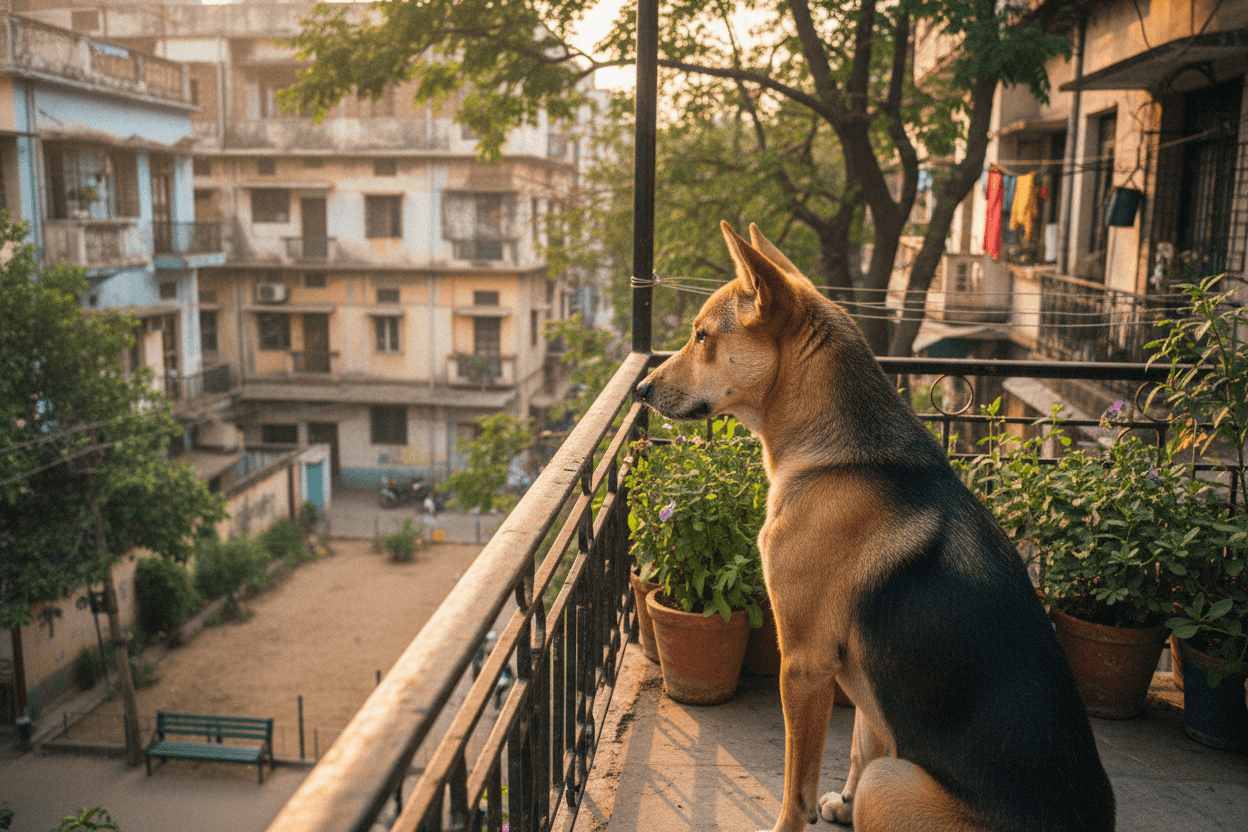
Some breeds are genetically predisposed to closer attachment. Breeds popular in India that tend to be "velcro dogs" include Labradors, Golden Retrievers, Pugs, and Indian Pariah Dogs. Working breeds like German Shepherds and Dobermans also form intense bonds with their primary handler.
- Labrador Retriever: Bred for partnership, extremely people-oriented
- Indian Pariah Dog: Forms deep bonds with their chosen person
- Pug: Companion breed literally designed to be close to owners
- Golden Retriever: Seeks human interaction constantly
- German Shepherd: One-person dog, intensely loyal to primary handler
When Following Becomes Separation Anxiety
While following is normal, it can cross into separation anxiety — a serious behavioral condition affecting an estimated 20-40% of dogs. The key difference: a normally bonded dog follows you but can settle when you're in another room. An anxious dog panics, paces, whines, or becomes destructive.
Separation anxiety is particularly common in Indian apartment dogs who spend long hours alone while their owners are at work. Signs include excessive barking when you leave, destructive chewing (especially near doors and windows), house soiling despite being trained, and refusal to eat when alone.
- Normal following: Dog follows but settles independently, eats normally when alone
- Mild anxiety: Follows constantly, whines briefly when you leave, calms within 10 minutes
- Moderate anxiety: Pacing, barking for extended periods, mild destructive behavior
- Severe anxiety: Panic, self-harm, extreme destruction, refusal to eat — needs professional help
Warning
If your dog shows signs of severe separation anxiety (self-harm, extreme destruction, refusal to eat), consult a certified dog behaviorist. Costs range from ₹1,500-₹4,000 per session in Indian metros.
Reasons Your Dog Follows You to the Bathroom
The bathroom follow is one of the most common (and amusing) dog behaviors. Several factors drive it: curiosity about what you're doing behind a closed door, vulnerability instinct (they feel protective when you're in a small space), and simple FOMO — fear of missing out on something interesting.
In Indian homes where bathrooms often have interesting smells (soaps, shampoos, cleaning products), dogs are additionally attracted by their powerful sense of smell. This behavior is harmless and doesn't need correction unless your dog shows actual distress.
How to Encourage Healthy Independence
While following behavior is endearing, encouraging some independence is healthy for both you and your dog. This is especially important in Indian homes where dogs may become overly dependent on one family member.
- Practice short separations: Leave the room for 1-2 minutes, gradually increase
- Create a comfortable "safe space" — a bed or crate where your dog relaxes independently
- Reward calm, independent behavior with treats and quiet praise
- Use puzzle toys and enrichment to keep your dog mentally engaged when alone
- Avoid dramatic departures and arrivals — keep things low-key
- Have multiple family members participate in feeding and walking routines
DodoDoggy Tip
Start independence training early with puppies. Give them a stuffed Kong toy (₹400-₹800) and practice leaving the room. This builds confidence and prevents separation anxiety from developing.
When to Be Concerned About Following Behavior
When following behavior indicates a health or behavioral concern is an important aspect of responsible dog ownership in India. With the country's diverse climate zones and living conditions, Indian pet owners need to be particularly attentive to this area of care.
Veterinarians across India recommend paying close attention to this aspect of your dog's care. Regular monitoring and proactive measures can prevent many common issues that Indian dogs face, especially during extreme weather seasons.
Whether you're a first-time dog owner or an experienced pet parent, staying informed about the latest recommendations helps you make the best decisions for your furry family member.