Key Takeaways
- Ear infections spike 60% during India's monsoon season (June-September)—keep ears dry and check weekly
- Treatment costs range ₹800-₹4,000 for basic care depending on city tier (metros vs tier-2/3 cities)
- Home care works for mild cases, but moderate infections need veterinary diagnosis and prescribed medications
- Long-eared breeds (Cockers, Bassets, Labradors) have 3-4x higher risk and require extra preventive attention
- Early treatment within one week ensures 95% recovery and prevents chronic issues or hearing loss
- Common signs: head shaking, scratching ears, foul odor, redness, discharge (yellow/brown/black)
- Never use human ear drops without vet approval—some ingredients are toxic to dogs
Introduction: The Monsoon Ear Infection Crisis
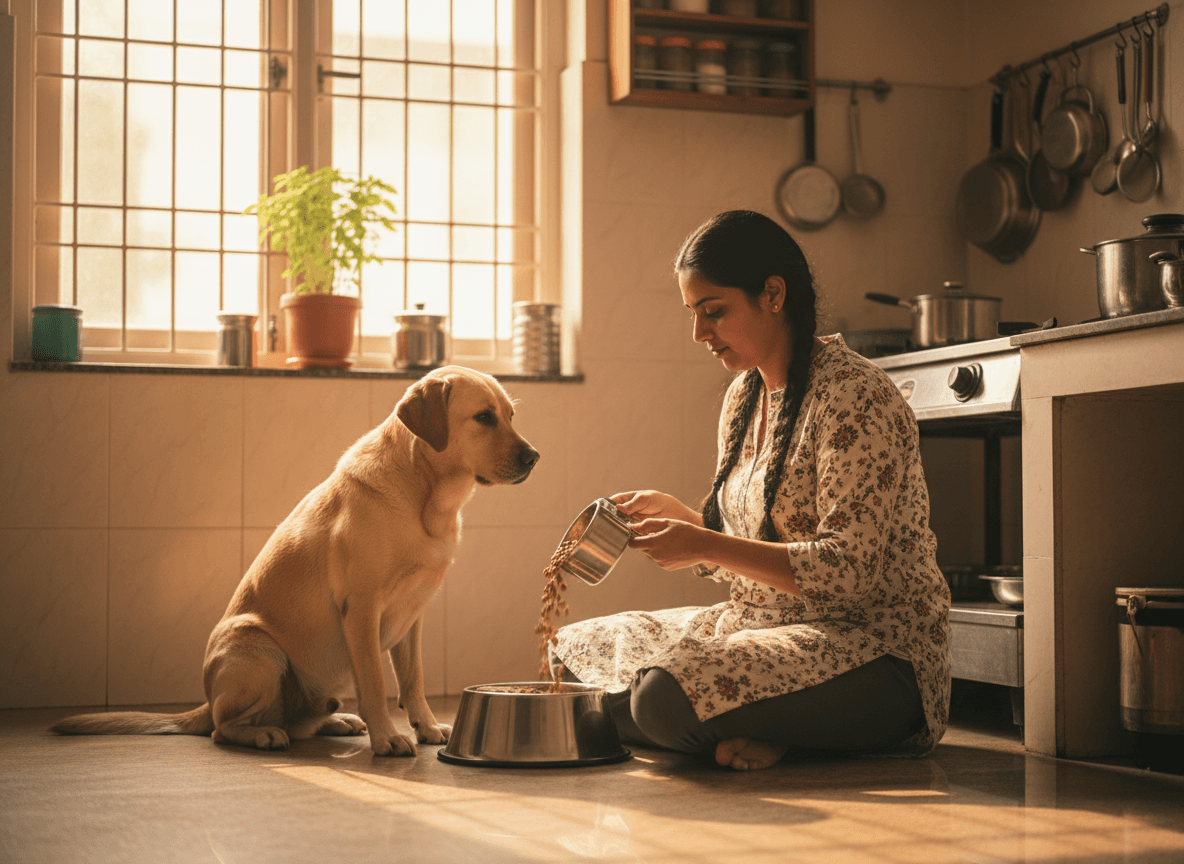
If you've ever dealt with dog ear infections in India, you know how quickly things spiral during monsoon. With three dogs here in Chennai, I've learned our humid climate isn't just uncomfortable—it's an invitation for bacteria and fungi in our dogs' ears. Our ear infections guide covers this in detail.
Ear infections account for 10-15% of all veterinary visits in India, and that percentage jumps to 20-25% during monsoon months. Our climate creates perfect conditions for bacterial and fungal growth inside those warm, moist ear canals. This guide covers everything from early symptoms to treatment costs across Indian cities, plus the prevention strategies that actually work in our humid conditions.
Quick Fact
Ear infections spike 60% during India's monsoon season (June-September). Humidity levels above 70% combined with temperatures 25-35°C create ideal breeding conditions for bacteria and yeast.
Understanding Dog Ear Infections: Types and Causes
Dog ear infections come in three types based on location: otitis externa (outer ear canal, 75-80% of cases), otitis media (middle ear, 15-20%), and otitis interna (inner ear, 5%, most serious). In India, otitis externa dominates because our humidity affects the outer ear canal most.
Expert Insight
**Primary Causes in India:** Bacterial infections (45-50% of cases, usually Staphylococcus or Pseudomonas), yeast/fungal infections (30-35%, mostly Malassezia), ear mites (10-15%, more common in puppies and street dogs), allergies (food or environmental, 20-25% as underlying factor), and moisture trapped in ears after baths or swimming.
India-Specific Risk Factors
- Monsoon humidity: 70-90% humidity June-September creates breeding ground for pathogens
- Bathing frequency: Many Indian pet parents bathe dogs weekly in hot months, water gets trapped in ear canals
- Dust and pollution: Urban air quality puts allergen particles in ears
- Lack of ear cleaning: Only 25-30% of Indian dog owners regularly clean ears preventively
- Breed popularity: Labradors, Golden Retrievers, Cocker Spaniels—all high-risk breeds—are extremely popular in India
Breed Specific
**High-Risk Breeds in India:** Labrador Retrievers (3-4x higher risk due to floppy ears and love of water), Cocker Spaniels (heavy ear flaps trap moisture), Basset Hounds (long, heavy ears), Shih Tzus (hairy ear canals), Golden Retrievers, and Beagles. Breeds with upright ears (German Shepherds, Indie dogs) have significantly lower infection rates.
Symptoms: How to Know Your Dog Has an Ear Infection
Early detection is critical. Here's what to watch for:
Warning
**Primary Warning Signs:** Frequent head shaking or tilting, excessive scratching at ears, foul odor from ears, redness or swelling visible inside the ear canal, and unusual discharge (brown, yellow, or bloody).
Vet Alert
**URGENT: See a Vet Within 24-48 Hours If:** You notice any discharge from the ear, foul smell persists even after cleaning, your dog shows pain when you touch their ear, symptoms last more than 2-3 days, you see thick black/brown buildup (likely yeast), or your dog's behavior changes (lethargy, loss of appetite).
Diagnosis: What the Vet Will Do
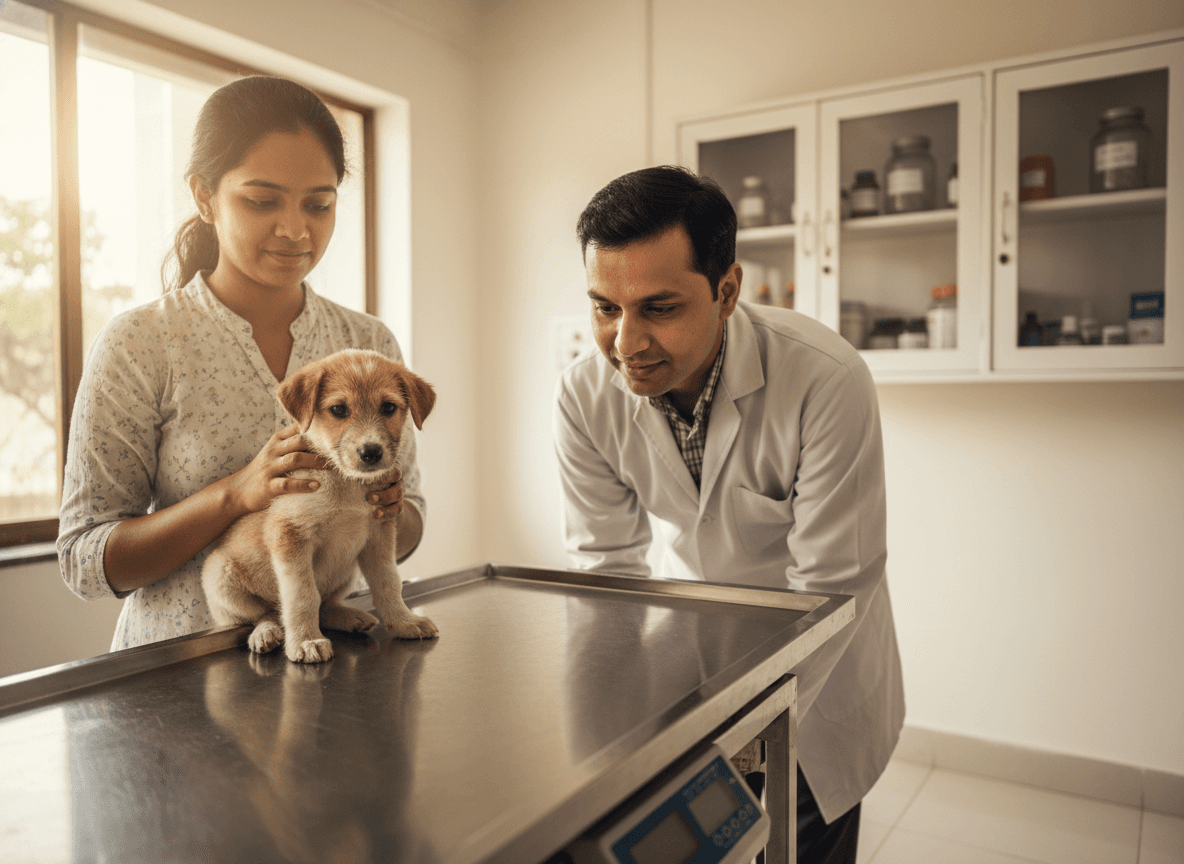
Veterinary examination typically includes otoscope examination to look inside the ear canal (₹0-₹300 depending on clinic), ear swab cytology to identify bacteria/yeast (₹300-₹800), and in chronic cases, bacterial culture and sensitivity testing (₹800-₹1500).
Pro Tip
**DIY Pre-Vet Check:** Before your vet visit, gently lift your dog's ear flap and check: Color (healthy ears are pale pink, infected ears are red/inflamed), smell (normal ears have no strong odor), discharge (any yellow/brown/black substance), and swelling (compare both ears). This helps you describe symptoms accurately to your vet.
Treatment Options and Costs Across India
Treatment costs vary significantly by city and severity. Here's the realistic breakdown:
Quick Fact
**Consultation Fees by City:** Mumbai/Bangalore/Delhi/Hyderabad: ₹800-₹1200 | Chennai/Pune/Ahmedabad: ₹600-₹1000 | Tier-2 cities (Coimbatore, Jaipur, Lucknow): ₹400-₹700 | Tier-3 cities: ₹200-₹500 | Government veterinary hospitals: ₹50-₹200
Medications and Their Costs
- Antibiotic ear drops (bacterial infections, 7-14 day course): ₹200-₹600
- Antifungal ear drops (yeast/Malassezia infections): ₹300-₹800
- Combination drops (antibiotic + antifungal + anti-inflammatory): ₹400-₹1000
- Oral antibiotics (severe cases): ₹300-₹800 per course
- Ear cleaning solution (medicated): ₹200-₹500 per bottle
- Pain medication (if needed): ₹100-₹400
Money Saver
**Total Treatment Cost Estimates:** Mild infection (home care + vet visit): ₹800-₹1500 | Moderate infection (vet diagnosis + medications): ₹1500-₹3000 | Severe/chronic infection (multiple visits, advanced treatment): ₹3000-₹6000+ | Government vet hospitals can reduce costs by 50-70%
Home Care: What You Can Do at Home
For MILD cases only (no severe pain, no thick discharge, symptoms less than 2 days), you can try home care while monitoring closely.
DodoDoggy Tip
**Ear Cleaning Solution (DIY):** Mix equal parts white vinegar and distilled water (50-50 ratio). Apply 5-10 drops in affected ear, massage base gently for 30 seconds, let dog shake head, wipe outer ear with cotton. Do this 2x daily for 3-5 days. Effectiveness: 40-50% for very mild cases. Cost: ₹10-20. STOP if symptoms worsen or persist beyond 3 days.
Warning
**What NOT to Do at Home:** Never use hydrogen peroxide (too harsh, damages ear tissue), never use alcohol-based solutions (extremely painful), never insert cotton swabs/Q-tips deep into ear canal (risk of rupturing eardrum), never use human ear drops without vet approval, and never ignore symptoms hoping they'll resolve—infections worsen rapidly in humid climates.
Pro Tip
**Professional Ear Cleaning:** Most vets offer professional ear cleaning for ₹300-₹800. For chronic ear infection dogs, monthly professional cleaning is recommended during monsoon season.
Monsoon Prevention: Keeping Ears Dry in Humid Months
Prevention during monsoon (June-September) is critical. 65% of ear infections in India occur during these four months.
Seasonal Tip
**Monsoon Ear Care Protocol:** Check ears weekly (lift flap, look, smell), dry ears after every bath or rain exposure using cotton balls, and apply ear drying powder available at Indian pet stores (₹150-₹300).
Safety First
**After Swimming or Bath:** This is THE critical moment. Immediately after water exposure, lift each ear flap, place 2-3 drops of ear drying solution (or DIY vinegar-water), massage gently, let dog shake, then dry outer ear with soft towel. This single step prevents 70-80% of swimming-related infections.
Breed-Specific Prevention for High-Risk Dogs
If you own a Labrador, Cocker, Basset, or Golden Retriever, you need extra vigilance:
- Weekly ear checks year-round (not just monsoon)
- Bi-weekly cleaning during monsoon with vet-approved solution
- Professional grooming every 4-6 weeks including ear plucking if needed
- Limit swimming during monsoon peak (July-August) when humidity is highest
- Consider pet insurance as chronic ear issues can cost ₹15,000-₹30,000 annually
Breed Specific
**Labrador Owners in India:** Labs account for 30-35% of all ear infection cases in Indian vet clinics. Their love of water + floppy ears + India's humidity = perfect storm. Monthly vet ear checks during monsoon are worth the ₹300-₹500 investment.
Chronic Ear Infections: When It Keeps Coming Back
If your dog has had 3+ ear infections in one year, it's considered chronic. This affects 15-20% of dogs in India, especially in high-humidity regions.
Expert Insight
**Root Causes of Chronic Infections:** Undiagnosed food allergies (chicken, beef, grains are common triggers in India), environmental allergies (dust, pollen, mold), anatomical issues (very narrow ear canals, excessive ear hair), incomplete treatment (owners stop medication when symptoms improve, not when treatment course finishes), and resistant bacteria from repeated antibiotic use.
Vet Alert
**For Chronic Cases, Vet May Recommend:** Allergy testing (₹3000-₹8000), elimination diet trial (6-8 weeks), ear canal ablation surgery in severe cases (₹25,000-₹60,000), long-term medication protocol, or referral to veterinary dermatologist in metros (Mumbai, Bangalore, Delhi have specialists).
Traditional vs Modern Treatment
Many Indian pet parents use traditional remedies. Here's what's safe and what's not:
Note
**Coconut Oil:** SAFE for very mild cases. Apply small amount to outer ear, massage gently. Has mild antifungal properties. Effectiveness: 30-40% for very early yeast infections. Not a substitute for vet care in moderate/severe cases. **Neem Oil:** NOT RECOMMENDED for ear infections—too strong, can irritate inflamed tissue. Safe for external skin issues only.
Conclusion: Prevention Beats Treatment
Living in India means accepting that our climate is challenging for dogs with floppy ears. But ear infections don't have to be inevitable. Weekly ear checks during monsoon, proper drying after water exposure, and early treatment at the first sign of infection prevent 70-80% of serious cases.
Treatment costs are manageable if you catch infections early. A ₹1000-₹1500 investment in prompt vet care beats the ₹4000-₹6000 cost of treating a severe chronic infection. Government vet hospitals make care accessible even on tight budgets.
If you own a high-risk breed, accept that ear care is part of responsible ownership. Monthly professional cleaning during monsoon (₹300-₹800) is cheaper than treating repeated infections. Your dog depends on you to notice symptoms early and act quickly. Trust your nose—if those ears smell bad, don't wait.
You'll find good options like GV Pets & Clinic in KK Nagar West, Virugambakkam — rated 4.7/5. Check our pet stores in Chennai directory for more choices near you.
You'll find good options like Dr. Palampalle's Pet Care Clinic in Pratikhsha Nagar, Sion East, Sion — rated 5.0/5. Check our pet stores in Mumbai directory for more choices near you.