Key Takeaways
- Drools Focus Puppy (28% protein, Rs 383/kg) scores highest on our value index. Farmina N&D Puppy (33% protein, Rs 880/kg) wins on ingredient quality. Royal Canin Medium Junior (31% protein, Rs 925/kg) leads for breed-specific calcium ratios
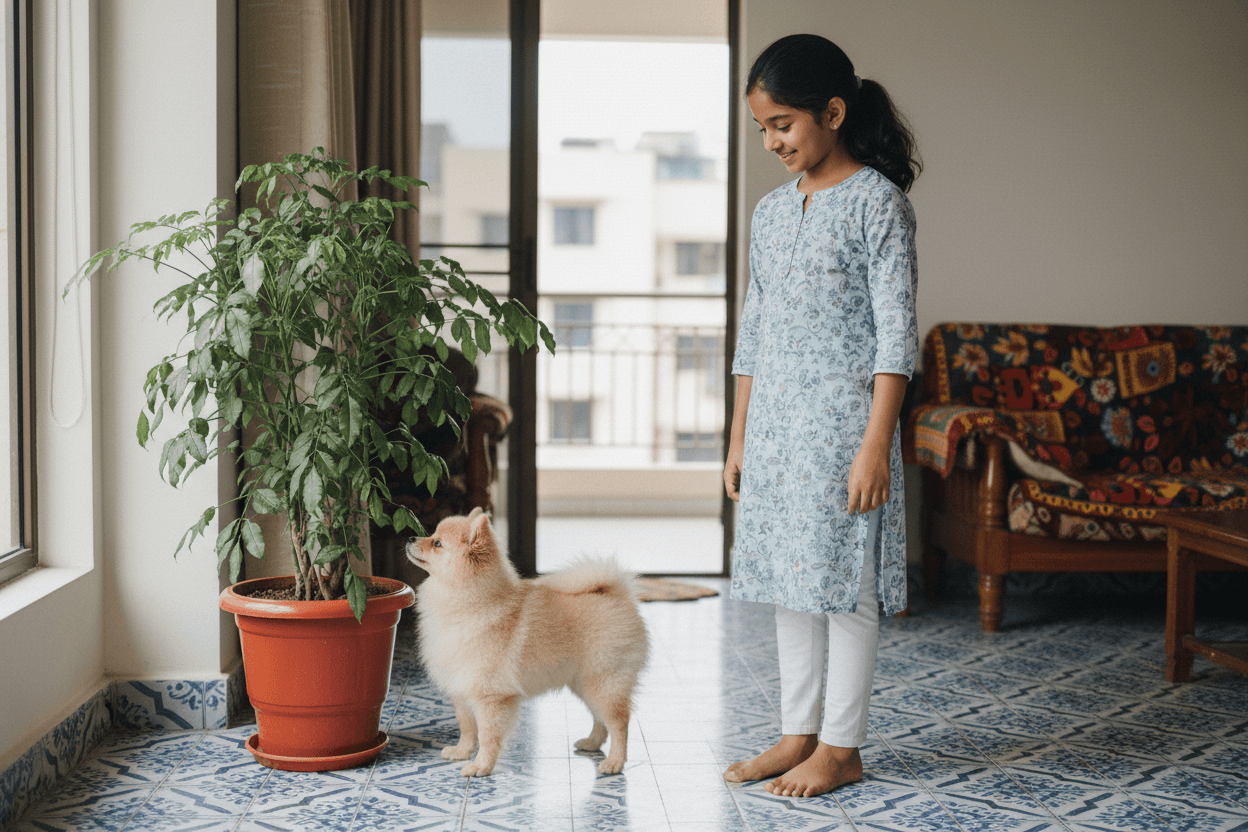
- Large breed puppies (Lab, GSD, Golden) need 26%+ protein with controlled calcium at 1.0-1.5%. Small breeds (Pug, Shih Tzu, Pomeranian) tolerate higher calcium but need smaller kibble sizes
- India's 2026 puppy food market added two new entrants: Himalaya Healthy Pet and Kennel Kitchen, both FSSAI-certified and priced under Rs 500/kg
- Feed 4x daily at 6-8 weeks, 3x at 3-6 months, 2x from 6-12 months. Switch to adult food at 12 months (medium breeds) or 18 months (large breeds like Labrador, German Shepherd)
- Amazon.in Subscribe & Save knocks 10-15% off Drools and Royal Canin. Heads Up For Tails runs 20% off premium brands during Diwali and March sales
- In peak Indian summer above 40C, puppies eat 10-20% less. Shift meals to 6-7am and 7-8pm. Do not force-feed
2026 Puppy Food Market in India: What Changed This Year
India's puppy food market crossed Rs 2,800 crore in 2025 and two new domestic brands entered the premium segment this year. Himalaya Healthy Pet launched a chicken-and-rice puppy formula at Rs 450/kg with FSSAI certification, directly competing with Drools in the budget tier. Kennel Kitchen introduced a fresh-cooked frozen puppy meal line available in Bangalore, Mumbai, and Delhi at Rs 600/kg.
International brands adjusted Indian pricing in early 2026. Royal Canin increased prices by 8-12% across all puppy ranges following import duty changes. Farmina N&D held prices steady but reduced pack sizes from 2.5kg to 2kg for their grain-free puppy line. Acana and Orijen remain available but stock issues persist outside metro cities, with 2-3 week delivery times from online retailers to tier-2 locations like Indore, Lucknow, and Coimbatore.
The biggest shift in 2026 is availability. Heads Up For Tails expanded to 48 stores across 12 cities. PetSutra now ships Farmina and Acana with guaranteed 48-hour delivery to tier-1 cities. Amazon.in added a dedicated pet nutrition section with vet-reviewed product descriptions and comparison filters by breed size, something that was missing until late 2025.
Brand-by-Brand Protein and Price Breakdown
We checked prices on Amazon.in, Heads Up For Tails, and Flipkart in February 2026. Prices fluctuate by 5-10% depending on sales, so treat these as baseline figures. Protein and fat percentages come from the guaranteed analysis printed on each bag.
| Brand | Protein | Fat | Price/kg (Rs) | Best For | Where to Buy |
|---|---|---|---|---|---|
| Drools Focus Puppy | 28% | 15% | 340-383 | Budget pick, all breeds | Amazon, local pet stores |
| Pedigree Puppy | 20% | 10% | 260-300 | Very tight budget only | Supermarkets, Amazon |
| Himalaya Healthy Pet Puppy | 25% | 12% | 420-480 | Budget-mid, Indian brand | Amazon, Flipkart |
| Royal Canin Medium Puppy | 31% | 20% | 890-1,000 | Breed-specific needs | HUFT, Amazon, vet clinics |
| Royal Canin Maxi Puppy | 30% | 14% | 850-950 | Large breeds (Lab, GSD) | HUFT, Amazon, vet clinics |
| Farmina N&D Puppy (grain-free) | 33% | 18% | 880-1,000 | Grain-free, high protein | HUFT, PetSutra, Amazon |
| Acana Puppy & Junior | 33% | 20% | 1,500-1,700 | Premium, 70% meat | HUFT online, PetSutra |
| Orijen Puppy | 38% | 20% | 2,100-2,400 | Ultra-premium | HUFT online, PetSutra |
| Kennel Kitchen Fresh Puppy | 26% | 14% | 550-650 | Fresh-cooked, metro cities | kennelkitchen.in |
DodoDoggy Tip
Pedigree's 20% protein falls below the 22% AAFCO minimum recommendation for growing puppies. It works short-term but is not ideal as a primary diet beyond 8 weeks. If budget is the constraint, Drools Focus Puppy at Rs 340-383/kg offers 28% protein, which is a significant nutritional upgrade for roughly Rs 80-120 more per kg.
Feeding Charts: Daily Portions by Breed Size and Age
Feeding guides on the bag use target adult weight, which new puppy owners often guess wrong. These charts use actual puppy weight at each age, based on standard growth curves for breeds commonly kept in India. Weigh your puppy monthly at the vet or on a kitchen scale (for small breeds under 5kg).
| Age | Small Breed (Pug, Pom, Shih Tzu) | Medium Breed (Indie, Beagle, Cocker) | Large Breed (Lab, GSD, Golden) |
|---|---|---|---|
| 6-8 weeks | 40-60g/day, 4 meals | 60-90g/day, 4 meals | 80-120g/day, 4 meals |
| 2-3 months | 60-80g/day, 3-4 meals | 100-150g/day, 3-4 meals | 150-220g/day, 3-4 meals |
| 3-6 months | 70-100g/day, 3 meals | 150-250g/day, 3 meals | 250-380g/day, 3 meals |
| 6-9 months | 80-110g/day, 2 meals | 200-300g/day, 2-3 meals | 350-480g/day, 2-3 meals |
| 9-12 months | 70-100g/day, 2 meals | 250-350g/day, 2 meals | 400-550g/day, 2 meals |
These ranges assume a standard kibble calorie density of 350-380 kcal per 100g (Drools, Royal Canin, Farmina all fall in this range). High-calorie formulas like Orijen at 420 kcal/100g require 10-15% less food by weight. Always cross-reference with the body condition score: you should feel your puppy's ribs without pressing hard, and see a visible waist from above.
DodoDoggy Tip
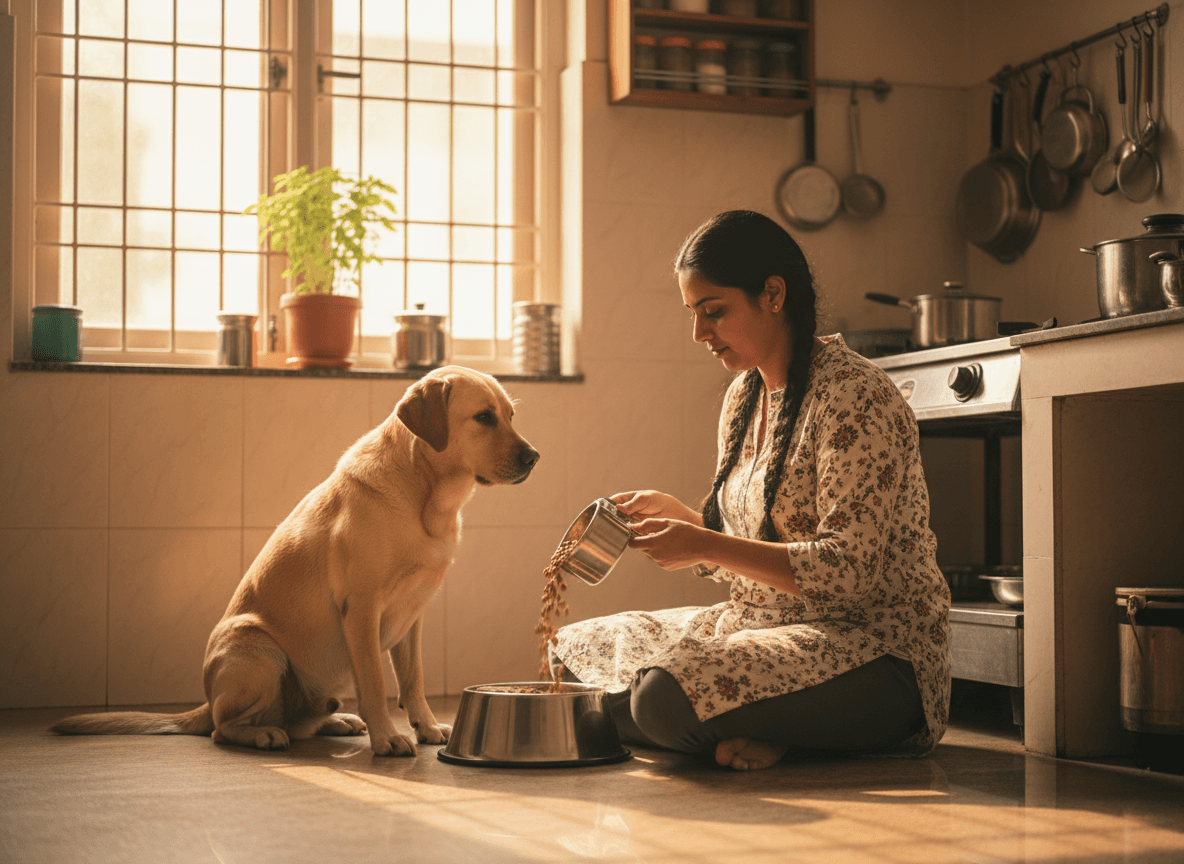
Labrador Retrievers are genetically prone to overeating due to a POMC gene mutation identified in a 2016 Cambridge study. Unlike most breeds, Labs will not self-regulate portions. Always measure food with a kitchen scale or measuring cup, never pour directly from the bag.
Breed-Specific Puppy Food Picks for Indian Dog Owners
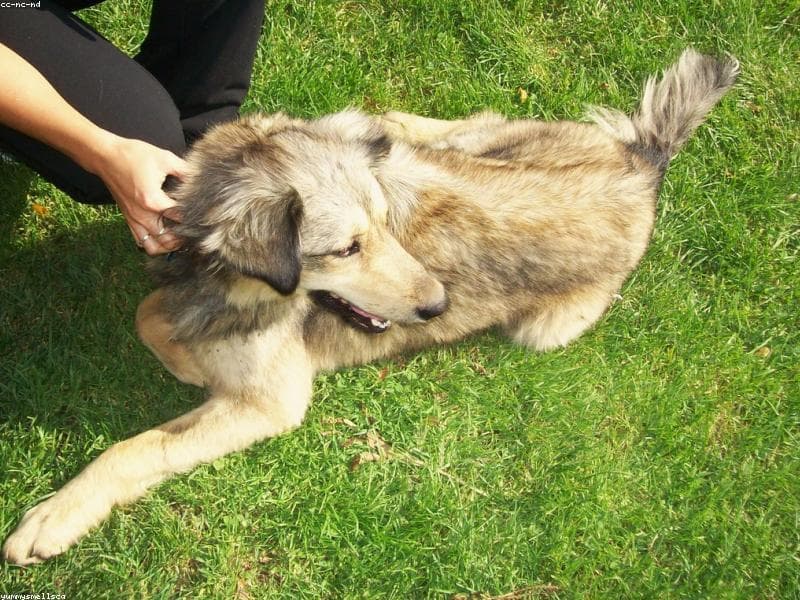
Different breeds have different nutritional stress points during growth. Large breeds risk joint damage from excess calcium. Small breeds risk hypoglycemia from missed meals. Indian Pariah puppies are hardy but still benefit from consistent commercial nutrition in year one.
- Labrador Retriever: Royal Canin Maxi Puppy (Rs 850-950/kg) with controlled calcium at 1.1%. Avoid free-feeding. Labs reach adult size at 14-18 months but need puppy food until 18 months for growth plate closure
- German Shepherd: Farmina N&D Large Breed Puppy (Rs 950/kg) or Royal Canin German Shepherd Junior (Rs 1,050/kg). GSDs are prone to hip dysplasia, so controlled growth rate matters more than maximum size
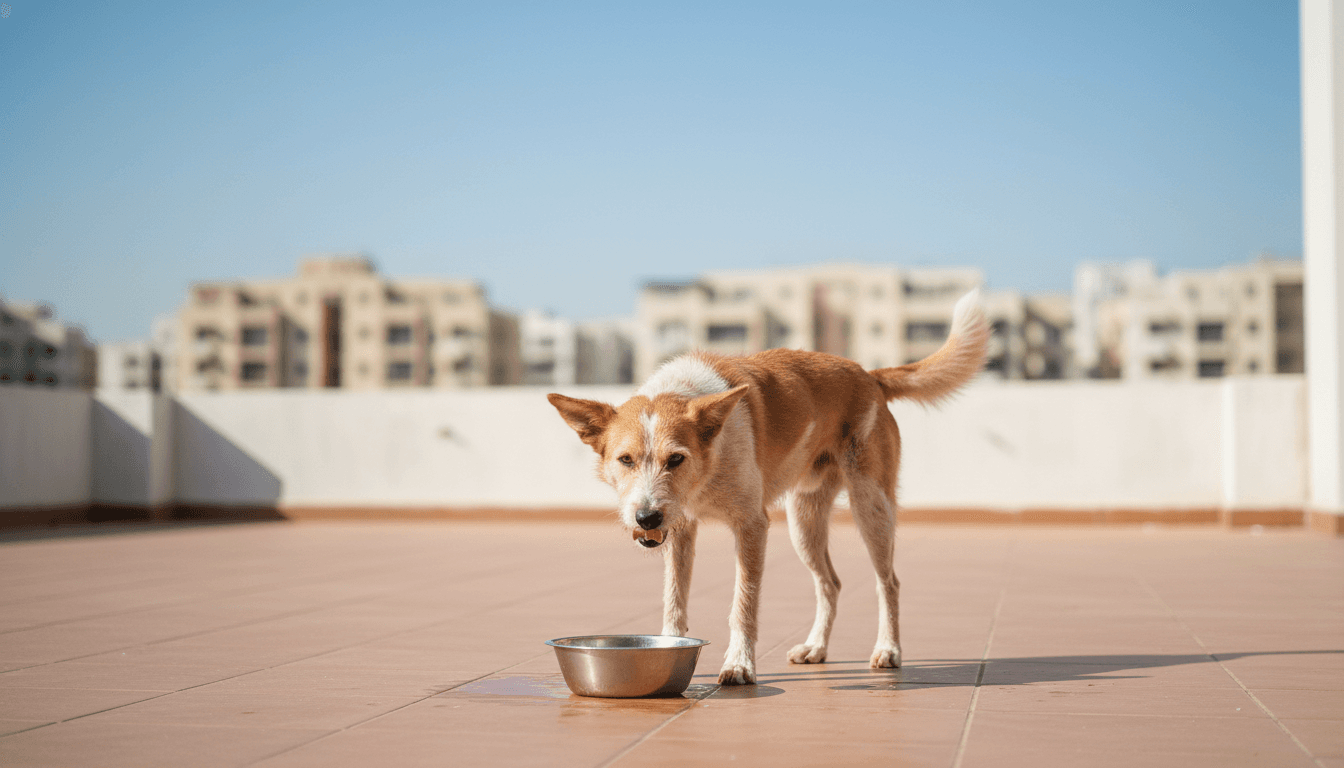
- Indian Pariah (Indie): Drools Focus Puppy (Rs 340-383/kg) is excellent. Indies are metabolically efficient and reach 12-20kg adult weight. Medium-breed formulas work well. No need for premium brands unless your vet identifies a specific issue
- Pug and Shih Tzu: Royal Canin Mini Puppy (Rs 980/kg) with smaller kibble size that brachycephalic breeds can pick up and chew. These breeds overheat easily, so feed during cooler hours in summer
- Golden Retriever: Farmina N&D Puppy (Rs 880/kg) or Acana Puppy & Junior (Rs 1,500/kg). Goldens are prone to skin allergies, so fish-based omega-3 sources in the food help coat quality. Switch to adult food at 15-18 months
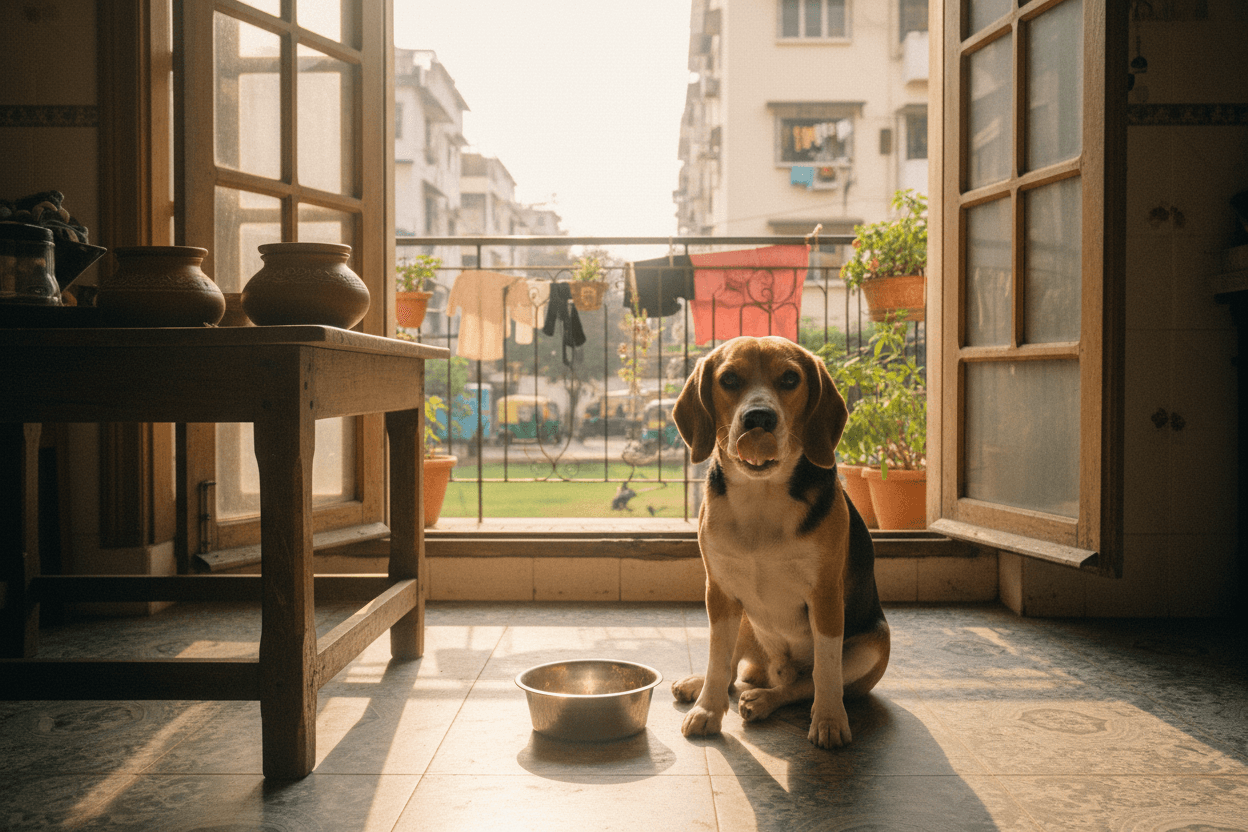
- Beagle: Drools or Royal Canin Medium Puppy. Beagles, like Labs, overeat when given the chance. Stick to measured portions at scheduled times. Adult size 9-11kg is reached by 12 months
- Rottweiler and Great Dane: Royal Canin Giant Puppy (Rs 900/kg) with extended puppy phase until 24 months. These breeds are most vulnerable to skeletal problems from incorrect calcium during growth
Read also: whether dog vitamins are actually necessary for Indian dogs.
Decoding the Label: Protein Quality vs Quantity
A bag that claims 28% protein tells you the quantity but not the quality. Chicken meal (rendered, moisture removed) delivers more protein per gram than whole chicken (which is 70% water). Look at the first five ingredients. In a good puppy food, a named animal protein (chicken meal, lamb meal, fish meal, dehydrated chicken) appears first or second.
- Named meat meal first (chicken meal, salmon meal): concentrated protein, indicates quality
- Whole meat first then four grains: the grains combined outweigh the meat. Protein comes mostly from plant sources
- 'Meat and animal derivatives': vague filler that varies between batches. Common in budget Indian brands
- FSSAI registration number (14 digits): mandatory for all pet food sold in India. Not a quality guarantee but confirms regulatory compliance
- AAFCO or FEDIAF statement: confirms the food meets international nutritional standards for growth. Missing this statement means no third-party nutritional verification
Grain-free formulas are not automatically better. The US FDA investigated a possible link between grain-free diets and dilated cardiomyopathy (DCM) in dogs between 2018-2023. While the investigation was inconclusive, most veterinary nutritionists now recommend grain-inclusive diets unless a vet has confirmed grain intolerance through an elimination diet. In India, Farmina N&D grain-free is the most commonly used grain-free puppy food and has not been implicated in any DCM cases locally.
Seasonal Adjustments for Indian Climate Zones
India has four distinct feeding seasons that affect puppy appetite and kibble storage differently. New owners in cities like Delhi, Nagpur, and Hyderabad often panic when summer arrives and their puppy eats less. This is a normal thermoregulation response, not illness.
- April-June (North/Central India, 38-46C): Appetite drops 10-20%. Shift meals to 6-7am and after 7pm. Add 1-2 tablespoons of warm water to kibble to increase palatability. Keep fresh water available at all times. Watch for heatstroke: excessive panting, drooling, wobbly gait
- June-September (Monsoon across India): Humidity above 70% causes opened kibble to absorb moisture and go stale within days. Buy 1-3kg bags instead of 10kg bags. Transfer to airtight containers immediately. In coastal cities like Mumbai, Chennai, and Kolkata, check kibble for musty smell before every meal
- October-February (North India winter, 5-15C): Appetite increases 10-15% naturally. Slightly larger portions are fine. Ensure warm sleeping area since cold stress increases calorie needs. Puppies in Chandigarh, Dehradun, and Kashmir may need 20% more food during December-January
- Year-round (South India, Bangalore, Hyderabad): Temperature stays 22-35C. Minimal seasonal adjustment needed. Monsoon humidity is the main concern for kibble storage
Transitioning from Breeder Food and Common Mistakes
The single most common cause of puppy diarrhea in the first week after adoption is an abrupt food switch. Breeders in India typically use whatever is cheapest (often Pedigree or store-brand food), and new owners immediately switch to a premium brand. The puppy's gut bacteria cannot adapt overnight.
Use the 10-day transition method: days 1-3 mix 25% new food with 75% old, days 4-6 go 50/50, days 7-9 use 75% new and 25% old, day 10 switch fully. If loose stool appears at any stage, hold that ratio for 2-3 extra days before advancing. Ask the breeder which exact brand and variant they used, and buy a small bag to use during transition.
- Switching food overnight without transition: causes diarrhea in 60-70% of puppies. Always take 7-10 days to switch
- Feeding rice-chicken exclusively without supplements: lacks calcium for bone development. Fine as 20% of diet alongside commercial food, not as sole nutrition
- Giving milk after 8 weeks: most puppies are lactose intolerant past weaning age. Plain curd (dahi) is a safer probiotic alternative
- Using training treats as a significant calorie source: treats should stay under 10% of daily calories. Use a few kibble pieces from the daily ration as training rewards instead of buying separate treat bags
- Sharing table scraps from Indian cooking: onions, garlic, and certain spices in dal, sabzi, and gravy are toxic to dogs. Plain boiled chicken and rice (unseasoned) are safe additions
DodoDoggy Tip
If your puppy has loose stool for more than 3 consecutive days, or refuses food entirely for more than 24 hours, contact your vet. In metro cities, DCC Animal Hospital (Delhi, 011-41655115), Cessna Lifeline (Bangalore, 080-25637284), and Wiggles (Mumbai, multiple locations) all offer puppy health consultations including nutritional guidance.
Our Verdict: Which Puppy Food to Start With
If you are choosing your first bag of puppy food in India in 2026 and want a single recommendation: buy Drools Focus Puppy (3kg bag, Rs 1,050-1,150 on Amazon.in). It delivers 28% protein from chicken meal as the first ingredient, is FSSAI registered, and is stocked in pet stores across India including tier-2 and tier-3 cities. Once your puppy eats it consistently for 2-3 weeks without digestive issues, you have a reliable baseline.
If your budget allows Rs 2,000-3,500 per month on food and you have a purebred puppy, Royal Canin's breed-size formulas (Mini, Medium, Maxi, Giant) offer calcium ratios calibrated for your puppy's skeletal development stage. This matters most for large breeds where excess calcium causes joint malformation.
For owners who prioritize ingredient quality over price, Farmina N&D Puppy and Acana Puppy & Junior are the strongest options available in India. Both deliver 33%+ protein from animal sources. Farmina is more reliably in stock and Rs 600-700/kg cheaper than Acana. Check prices on Amazon.in and Heads Up For Tails before buying, since markups at local stores can add 15-25% on imported brands.
You'll find good options like Dr. Palampalle's Pet Care Clinic in Pratikhsha Nagar, Sion East, Sion — rated 5.0/5. Check our pet stores in Mumbai directory for more choices near you.
You'll find good options like Delhi dog kennel | puppies for sale in delhi | dog sale in delhi | pet shop near me | poodle puppy | shihzu in Rashid Market, Geeta Colony — rated 5.0/5. Check our pet stores in Delhi directory for more choices near you.