Introduction
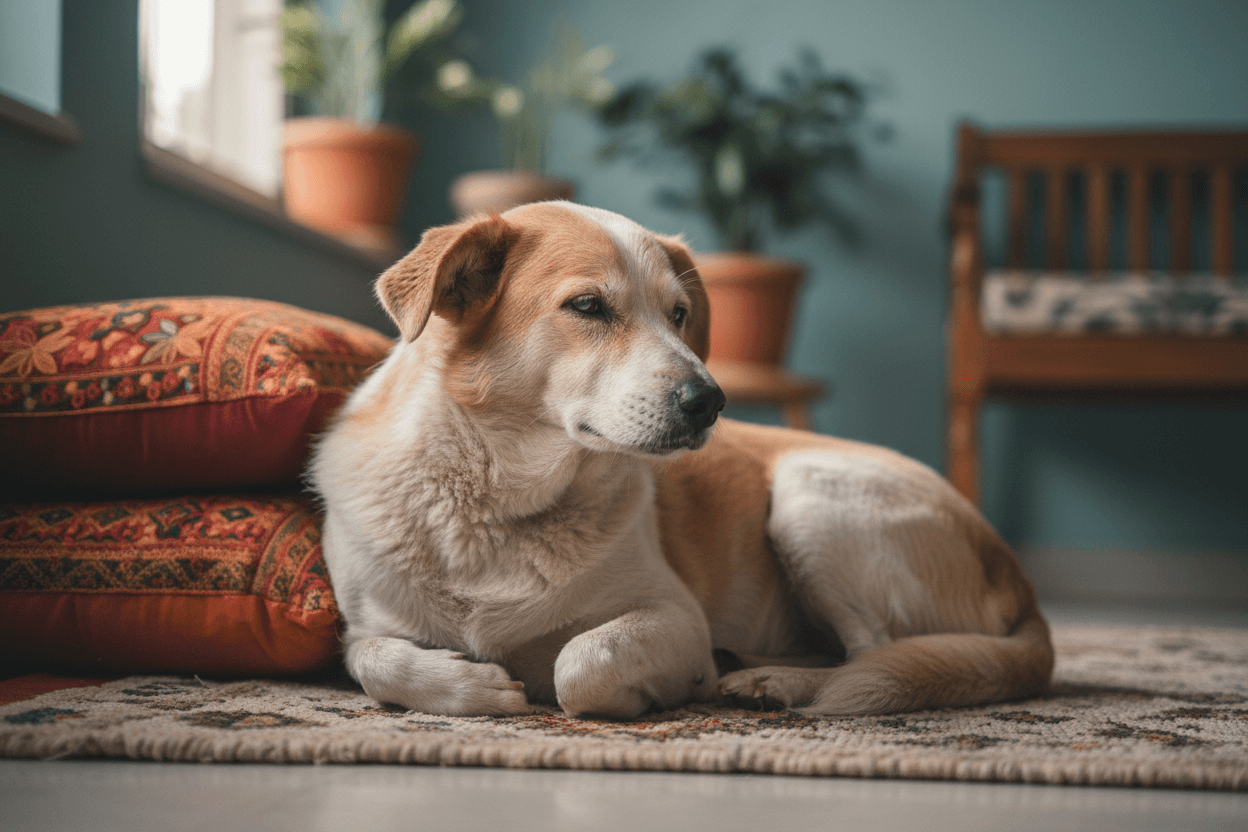
My 4-year-old Labrador, Bruno, once got into the kitchen cabinet during a power cut and licked the residue from a phenyl bottle that had tipped over. Within 20 minutes he was drooling heavily, his gums had gone pale, and he refused water. That frantic midnight auto-rickshaw ride to the emergency vet in Pune taught me something I should've learned sooner: ordinary Indian household products can kill a dog in hours.
Indian homes carry a specific set of risks that Western pet safety guides don't cover. Zinc phosphide rat poison packets sitting under the kitchen sink. Phenyl-based floor cleaners mopped across every surface twice a day. Kaner (oleander) bushes lining compound walls from Rajasthan to Kerala. Naphthalene mothballs tucked into every almirah. Mosquito coils burning overnight in bedrooms where dogs sleep on the floor.
According to the Merck Veterinary Manual, zinc phosphide produces phosphine gas on contact with stomach acid, and dogs that ingest it can die within 4 to 12 hours without treatment. A retrospective study published in the International Journal of Veterinary Sciences documented 362 zinc phosphide cases with a 98.3% survival rate when treated early. This article covers the eight toxins I see mentioned most often by Indian vets, the symptoms specific to each one, and the first-response steps you should take before reaching a clinic.
Rat Poison (Zinc Phosphide)
Zinc phosphide is sold in almost every kirana store and hardware shop across India. Brands like Ratol and Commando rat kill are cheap (Rs 20-40 per packet) and widely used in kitchens, godowns, and ground-floor flats. The lethal dose for dogs ranges from 20 to 40 mg per kg of body weight, according to the Merck Veterinary Manual. For a 15 kg Indie dog, that can be less than a single packet.
When the poison hits stomach acid, it releases phosphine gas. This is what makes zinc phosphide different from other rodenticides. The gas itself is so toxic that the CDC reported eight veterinary hospital workers in the US were poisoned just by treating dogs that had ingested it. Symptoms show up fast. Within 15 minutes to 4 hours, you'll see repeated vomiting (often with a garlic-like smell), laboured breathing, and abdominal pain. Dogs that don't get treated within 4 to 12 hours can go into shock and organ failure.
Treatment involves gastric decontamination and IV fluid support. Your vet will likely administer activated charcoal and antacids to slow phosphine production. Do not try to induce vomiting at home, because the phosphine gas released during vomiting can poison you and your family members. Emergency treatment at a veterinary hospital in a metro city like Mumbai or Bangalore runs between Rs 5,000 and Rs 25,000 depending on how quickly you get there, as per typical emergency consultation (Rs 1,000-2,500) and IV support (Rs 2,000-5,000) rates documented by HDFC ERGO's vet cost guide.
Phenyl and Floor Cleaners
Walk into any Indian household and you'll find a bottle of phenyl-based floor cleaner, often a generic white-label brand bought for Rs 30-50 per litre. Products containing phenol, carbolic acid, or butylated hydroxytoluene are sold under dozens of brand names across India. According to PetMD, phenol compounds have a corrosive effect on a dog's skin, eyes, and lungs.
Dogs are especially exposed because they spend their entire day on floors that have been mopped with these chemicals. In a typical Indian household, floors get mopped with phenyl twice daily. Dogs walk on the wet surface, then lick their paws. Over weeks and months, this chronic low-dose exposure causes liver damage, skin irritation between the paw pads, and respiratory problems. The symptoms are subtle at first: your dog might just seem tired or stop eating well.
Acute poisoning from drinking or licking phenyl directly is more dramatic. You'll see drooling, vomiting, muscle tremors, and chemical burns inside the mouth. Skin contact with concentrated phenyl causes red, blistered patches.
The fix is straightforward: switch to enzyme-based or vinegar-based floor cleaners. Brands like Herbal Strategi (available on Amazon India, Rs 350-500 for 500ml) and PetSafe floor cleaners from Captain Zack (Rs 400-600) don't contain phenol. If your building's housekeeping staff uses phenyl in common corridors, wash your dog's paws with plain water after every walk. For dogs showing signs of chronic exposure, a full blood count (CBC) costs Rs 800-1,500 and liver function tests will help your vet assess the damage.

Chocolate and Festive Sweets
Diwali and Raksha Bandhan are high-risk periods. Gift boxes of chocolate mithai sit on coffee tables within reach of any medium-sized dog. Theobromine, the toxic compound in chocolate, is present in much higher concentrations in dark chocolate and cooking chocolate than in milk chocolate. The US FDA categorises chocolate as a serious dog toxin, and the toxic dose is approximately 20 mg of theobromine per kg of body weight.
To put this in real numbers: 30 grams of dark chocolate can be fatal for a 10 kg dog like a Dachshund or Indian Spitz. One square from a Cadbury Bournville bar weighs about 10 grams. Three squares could kill a small dog. Milk chocolate is less concentrated, but a 100-gram Dairy Milk bar can still cause severe symptoms in dogs under 15 kg.
Symptoms start within 2 to 4 hours: restlessness, panting, excessive thirst, vomiting, and diarrhea. Higher doses cause muscle tremors, an irregular heartbeat, and seizures. If you catch it within 1 to 2 hours, your vet may induce vomiting and administer activated charcoal. Hospitalisation for monitoring costs Rs 1,500-5,000 per night at clinics like Cessna Lifeline (Bangalore) or DCC Animal Hospital (Delhi), with total treatment running Rs 3,000-15,000 depending on severity.
Xylitol in Sugar-Free Products
Xylitol is sneaking into more Indian households every year. Sugar-free chewing gum (Center Fresh Sugar Free, Orbit), sugar-free biscuits, protein bars, peanut butter brands, and even some toothpastes contain this artificial sweetener. Dogs can't metabolise xylitol the way humans do. According to the Merck Veterinary Manual, doses above 0.1 g/kg cause hypoglycemia (dangerous blood sugar crash), and doses above 0.5 g/kg can trigger acute liver failure.
The FDA warns that symptoms can appear within 10 to 60 minutes of ingestion: vomiting, weakness, staggering, collapse, and seizures. Some dogs don't show symptoms for 12 to 24 hours, which makes xylitol especially dangerous because pet parents assume the dog is fine.
I keep a strict rule at home in Hyderabad: no sugar-free products below waist height. Guest bags, purses, jacket pockets left on sofas, all of these are sources. A single stick of sugar-free gum contains enough xylitol to hospitalise a 5 kg Pomeranian. Treatment requires IV dextrose to stabilise blood sugar and liver monitoring for 48-72 hours. The cost at a metro vet hospital: Rs 8,000-20,000 for the full protocol.
Kaner (Oleander) and Toxic Garden Plants
Kaner (Nerium oleander) is one of the most common ornamental plants in Indian gardens, parks, and road medians. You'll find it in every city from Jaipur to Kochi. A study published in Heart Views (PMC) documented oleander poisoning cases in Ajmer, Rajasthan, and confirmed that approximately 4 grams of leaves (roughly 10-20 leaves) can be a lethal dose. Every part of the plant is toxic: roots, stems, leaves, flowers, seeds, sap, and even water that oleander leaves have been floating in.
The active poisons are cardiac glycosides called oleandrin and neriine. These compounds directly attack the heart's electrical system. According to the ASPCA, symptoms begin about 4 hours after ingestion: severe vomiting, bloody diarrhea, drooling, and then cardiac irregularities (slow heart rate, abnormal rhythm). Without treatment, heart failure follows.
Other toxic plants common in Indian gardens include sago palm (the seeds are the most dangerous part, and one seed can kill a dog according to the ASPCA plant database), dieffenbachia (dumb cane, commonly kept indoors in Bangalore and Mumbai flats), and the money plant (Epipremnum aureum). If you're redesigning your garden or balcony, stick to spider plants, Boston ferns, or bamboo palm, all of which are non-toxic to dogs.

Naphthalene Mothballs
Every Indian almirah seems to have mothballs. Those small white spheres sold in packets of 10-20 for Rs 30-60 contain naphthalene, which is highly toxic to dogs. According to the Merck Veterinary Manual, as little as one mothball can poison a dog. They dissolve slowly in the stomach, so symptoms can be delayed by several days, which makes owners think the dog is safe when it's actually getting worse.
Symptoms of naphthalene poisoning include severe vomiting, diarrhea, lethargy, loss of balance, and a distinctive strong chemical smell on the breath. As the toxin breaks down red blood cells, you'll notice pale or yellowish gums (a sign of hemolytic anemia). Kidney and liver damage follow. PetMD notes there is no antidote for naphthalene poisoning. Treatment involves supportive care: IV fluids, blood transfusions for severe anemia (Rs 3,000-8,000 per transfusion), hepatoprotectants like NAC, and vitamin C for methemoglobinemia.
Switch to cedar blocks, neem leaves, or lavender sachets for moth protection. In Chennai and other humid coastal cities where moths are persistent, keeping wardrobes well-ventilated and using camphor tablets in closed containers (out of dog reach) is a safer option. Cedar blocks from brands like Iris cost Rs 200-400 for a pack and last months.
Mosquito Coils and Liquid Vaporisers
Mosquito coils are in nearly every Indian home from June through October, especially in dengue-prone cities like Delhi, Kolkata, and Chennai. During monsoon season, the combination of humidity and mosquito coils creates a double health risk for dogs. The active ingredient in most Indian mosquito coils (Good Knight, All Out, Mortein) is allethrin, a pyrethroid insecticide. The VCA Animal Hospitals database confirms that pyrethroids cause salivation, vomiting, tremors, seizures, and breathing difficulty in dogs.
The risk is twofold. Dogs can eat a coil (the compressed powder looks like a chew toy to some dogs), or they can inhale the smoke for hours while sleeping in the same room. Puppies and small breeds under 10 kg are most vulnerable to inhalation toxicity. I stopped using coils after my Beagle started coughing every morning during monsoon season in Pune. Liquid vaporisers (plug-in type) release lower concentrations but aren't risk-free either; chronic exposure over months has been linked to liver issues in dogs.
Alternatives that work in Indian conditions: mosquito nets over dog beds (Rs 300-600 on Amazon India), citronella-based repellent sprays made for pets, and electric bat zappers for rooms. If you must use a coil, burn it in a different room with the door closed and let the room air out before your dog enters.
Onion, Garlic, and Common Kitchen Scraps
Indian cooking uses onion and garlic in practically everything, from dal tadka to biryani masala. Both contain thiosulfate compounds that damage red blood cells in dogs, causing hemolytic anemia. The problem is cumulative. A few pieces of onion from leftover sabzi won't cause instant symptoms, but feeding kitchen scraps containing onion or garlic regularly over weeks builds up toxicity. According to the ASPCA Poison Control, garlic is roughly five times more toxic to dogs than onion on a per-gram basis.
Symptoms of allium toxicity develop over 2 to 5 days: weakness, pale gums, reddish-brown urine, rapid breathing, and lethargy. By the time you notice, the red blood cell damage is already significant. Treatment involves blood transfusions in severe cases and supportive care with IV fluids. A complete blood count costs Rs 800-1,500, and a single blood transfusion at a hospital like SKS Pet Hospital (Chennai) or Vetic (Delhi, Mumbai) runs Rs 3,000-8,000.
The safest approach: keep a separate container for your dog's food scraps. Plain rice, boiled chicken, cooked pumpkin, and curd are all fine. Check our complete list of foods dogs should never eat for more details. Anything cooked with onion, garlic, or excessive spices goes in the dustbin, not the dog bowl. If you have household help who feeds the dog, make this rule explicit.

Toxin-by-Toxin Symptom Reference
Knowing which toxin your dog got into changes the response. This table covers the eight toxins most commonly found in Indian households, with specific symptoms, onset times, and the first thing you should do.
| Toxin | Key Symptoms | First Response |
|---|---|---|
| Zinc phosphide (rat poison) | Garlic-smell vomit, laboured breathing, shock within 4-12 hrs | Do NOT induce vomiting. Rush to vet. |
| Phenyl floor cleaner | Drooling, mouth burns, tremors, pale gums | Rinse mouth with water. Vet within 1 hr. |
| Chocolate (theobromine) | Restlessness, vomiting, panting, seizures in 2-4 hrs | Vet can induce vomiting if within 2 hrs. |
| Xylitol (sugar-free gum) | Weakness, staggering, collapse in 10-60 min | Rub honey on gums. Vet immediately. |
| Kaner/oleander leaves | Bloody diarrhea, slow heartbeat, cardiac arrest in 4+ hrs | Do NOT induce vomiting. Emergency vet. |
| Naphthalene mothballs | Vomiting, pale/yellow gums, chemical breath, delayed 1-3 days | Vet for blood work and liver check. |
| Mosquito coil (allethrin) | Drooling, tremors, breathing difficulty, seizures | Move to fresh air. Vet if symptoms persist. |
| Onion/garlic (cumulative) | Weakness, red-brown urine, pale gums over 2-5 days | Stop feeding scraps. Vet for CBC. |
Emergency First Response Steps
When you suspect poisoning, the first 30 minutes matter most. Here's what to do before you reach the vet, based on protocols from Pet Poison Helpline and veterinary emergency guidelines.
Stay calm. Note the time your dog was exposed or when you first noticed symptoms. If possible, grab the packaging of whatever your dog got into (the ingredient list helps the vet choose the right treatment). Take a photo with your phone if the product is large or messy.
Do not induce vomiting unless your vet explicitly tells you to. For corrosive substances like phenyl, acids, or bleach, vomiting causes the chemical to burn the throat a second time going up. For zinc phosphide rat poison, vomiting releases phosphine gas that can poison everyone in the room. The only scenario where home-induced vomiting is appropriate is for non-corrosive items (like chocolate) within 2 hours of ingestion, using 3% hydrogen peroxide at 1 teaspoon per 5 kg of body weight, and only on your vet's instructions over the phone.
Keep your dog hydrated but don't force-feed water. If your dog is conscious and willing, offer small sips. If the dog is seizing, don't put anything in the mouth. Place the dog on its side in a well-ventilated area and prevent it from injuring itself on furniture. Time the seizure. Tell the vet how long each episode lasted.
Treatment Costs at Indian Vet Hospitals
Poisoning treatment costs vary wildly depending on the toxin, how fast you get to the vet, and whether your dog needs overnight hospitalisation. Based on HDFC ERGO's 2025 vet cost data and rates from metro hospitals like Cessna Lifeline (Bangalore), Vetic (Delhi, Mumbai, Pune), and Blue Cross of India (Chennai, Rs 300 consultation donation), here's what you should budget for.
| Treatment | Cost Range (INR) |
|---|---|
| Emergency consultation | Rs 1,000-2,500 |
| Blood work (CBC + liver panel) | Rs 1,300-3,000 |
| IV fluids and support | Rs 2,000-5,000 |
| Activated charcoal administration | Rs 500-1,500 |
| Overnight hospitalisation (per night) | Rs 1,500-5,000 |
| Blood transfusion | Rs 3,000-8,000 |
| Antidote medication (when available) | Rs 2,000-10,000 |
| X-ray/ultrasound | Rs 1,200-4,000 |
| Total mild case (outpatient) | Rs 3,000-8,000 |
| Total severe case (2-3 night stay) | Rs 15,000-50,000+ |
Smaller cities and towns are generally 30-50% cheaper than metros, but they may not have 24-hour emergency services. If you live in a tier-2 city like Lucknow, Indore, or Coimbatore, know your nearest 24-hour vet clinic before an emergency happens. Pet insurance from providers like Bajaj Allianz or Digit can cover emergency treatments, though most policies have a waiting period of 14-30 days for illness-related claims.

Prevention Checklist for Indian Homes
Prevention isn't about buying expensive products. It's about changing a few habits. After Bruno's phenyl incident, I went through our Pune flat room by room and made changes that cost less than Rs 2,000 total. Here's the checklist I now share with every new dog owner I meet.
Kitchen: Store rat poison, cockroach chalk (Laxman Rekha contains boric acid), and ant killer behind locked cabinet doors. Move trash bins with food scraps behind a gate or under the sink with a child-lock latch. Never leave chocolate, mithai boxes, or xylitol-containing products on countertops or tables below waist height. If you're preparing for Holi, keep synthetic colour powders locked away too.
Bathrooms and utility areas: Replace phenyl floor cleaner with enzyme-based alternatives. Store toilet cleaning liquids (Harpic contains hydrochloric acid) in high cabinets. Keep bleach bottles sealed and upright. After mopping, wait 15 minutes for floors to dry before letting your dog walk on them.
Bedrooms: Remove naphthalene mothballs from lower shelves and open almirahs. Use cedar blocks or neem leaves instead. If using mosquito coils, burn them in rooms your dog doesn't access. Switch to mosquito nets for rooms where your dog sleeps.
Garden and balcony: Remove kaner (oleander), sago palm, and dieffenbachia plants or fence them off with mesh barriers. If your housing society has oleander bushes in common areas, petition the RWA for replacement with non-toxic alternatives. Check that gardeners don't use pesticide granules accessible to dogs.
Emergency Contacts and Resources
India doesn't have a centralised 24/7 pet poison control hotline like the US does. Your best resource is your local emergency vet's phone number saved in your phone. Here are the key contacts you should store right now.
| Resource | Contact |
|---|---|
| Blue Cross of India (Chennai) | 044-2235 0860 (24/7) |
| PETA India Helpline (Mumbai) | 022-4067 2222 |
| Cessna Lifeline (Bangalore) | 080-2573 4583 |
| Vetic Emergency (Delhi, Mumbai, Pune) | vetic.in/pet-emergency-care-near-me |
| AWBI (regulatory complaints) | awbi.gov.in |
The Animal Welfare Board of India (AWBI) operates under the Prevention of Cruelty to Animals Act, 1960. Under Sections 428 and 429 of the Indian Penal Code, deliberately poisoning an animal carries a fine and imprisonment of up to 2 years. If you suspect someone in your neighbourhood is putting out poison that affects pets, file a complaint with AWBI and your local police station. Keep your vet's number and your nearest emergency clinic saved in a contact group labelled 'Dog Emergency' so you don't waste time searching during a crisis.
When to Rush to the Vet
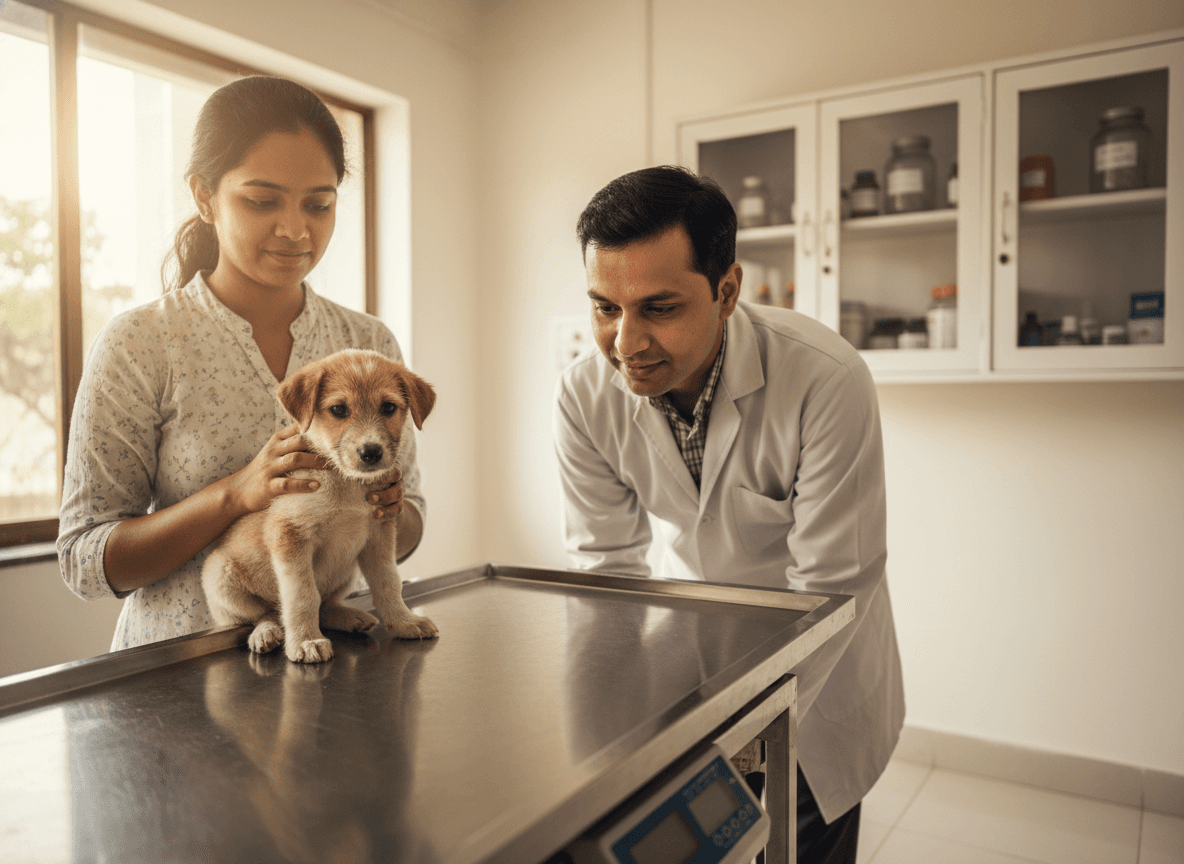
Some symptoms demand an immediate trip to the vet. Don't wait and watch. If your dog is seizing, collapsed, has pale or blue gums, is vomiting blood, or has a distended abdomen, get to the nearest clinic within 30 minutes. Time matters more than which clinic you pick.
Other situations allow a phone call first. If your dog ate something suspicious but seems fine, call your vet, describe what was ingested and how much, and follow their instructions. Many vets in cities like Delhi, Mumbai, and Bangalore now offer telemedicine consultations for initial triage. Vetic charges Rs 200-500 for a video consult that can save you a panicked trip if the situation isn't critical.
For ongoing concerns about chronic exposure (phenyl, mosquito coil smoke, small amounts of onion in scraps), schedule a routine health check with blood work. Annual blood panels help catch liver and kidney damage early, before your dog shows obvious symptoms. Prevention through regular monitoring costs Rs 2,000-4,500 per year. A poisoning emergency costs ten times that.
Frequently Asked Questions
Can I induce vomiting at home if my dog eats something toxic?
How much does emergency poisoning treatment cost at Indian vet hospitals?
Is phenyl floor cleaner really dangerous if my dog just walks on a mopped floor?
Which common Indian garden plants are toxic to dogs?
Are mosquito coils safe for dogs?
Keeping Your Dog Safe
After dealing with Bruno's poisoning scare and spending Rs 12,000 at the emergency vet in Pune, I made prevention a non-negotiable routine. Locked kitchen cabinets. Enzyme-based floor cleaner. Cedar blocks instead of mothballs. Mosquito net over his bed. It took one weekend and less than Rs 2,000.
The biggest takeaway from talking to vets at Vetic and reading through the AWBI guidelines is simple: the toxins that poison the most Indian dogs aren't exotic. They're sitting in your kitchen right now. Phenyl under the sink. Rat poison behind the fridge. Mothballs in the almirah. Chocolate on the table. You don't need special equipment to protect your dog. You need awareness and a 30-minute home audit.
Save your vet's emergency number. Know where the nearest 24-hour animal hospital is. Print the symptom table from this article and stick it on your fridge. And pass this information to anyone in your household who interacts with your dog, including domestic staff, because in a poisoning emergency, whoever is home first needs to know what to do.
You'll find good options like Harish pathak pet shop in pune in Durvankur Colony, Indrayani Nagar, Shivtirth Nagar, Thergaon — rated 4.8/5. Check our pet stores in Pune directory for more choices near you.
You'll find good options like Dr. Palampalle's Pet Care Clinic in Pratikhsha Nagar, Sion East, Sion — rated 5.0/5. Check our pet stores in Mumbai directory for more choices near you.