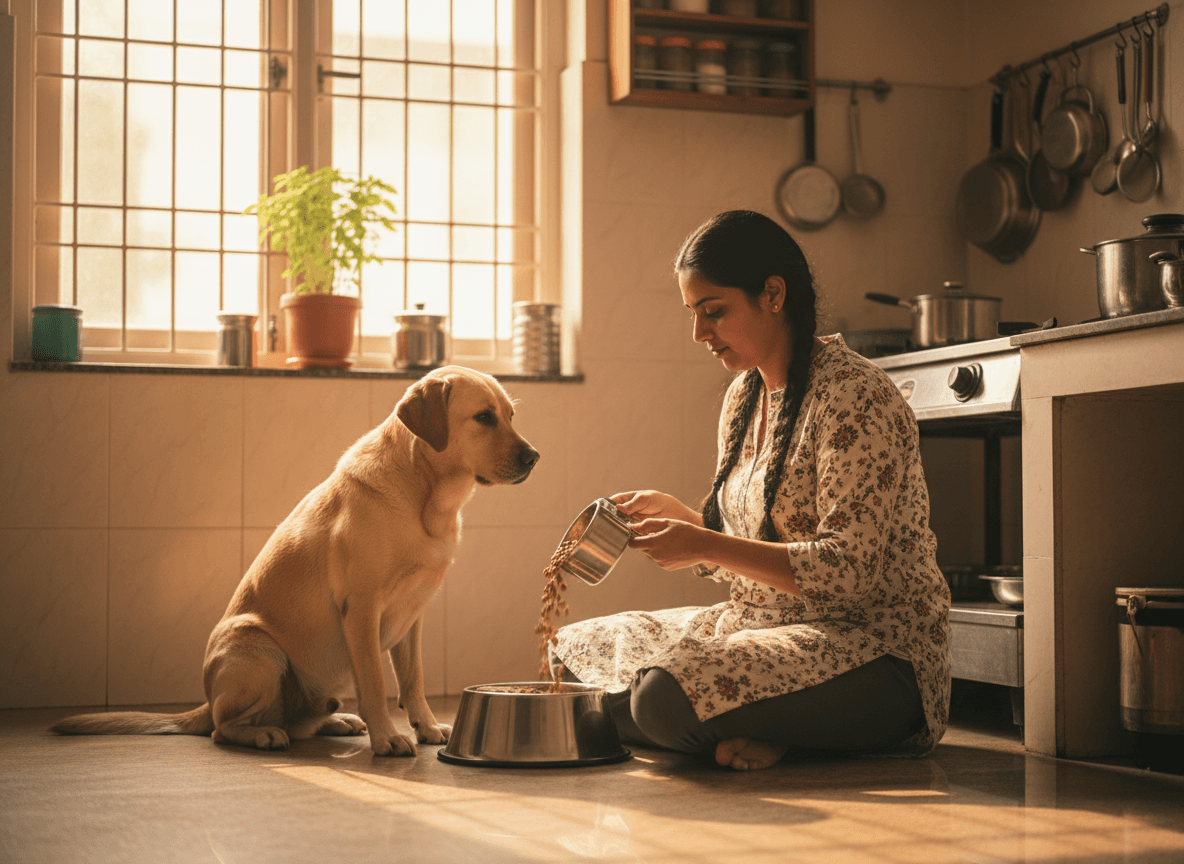
My Labrador mix, Kalu, spent three days in an IV drip at a Pune clinic last August. The bill came to Rs 18,400. The diagnosis? Leptospirosis — from puddles on the street outside our housing society. He'd been splashing through them on every morning walk for two weeks before the fever hit. I had no idea how serious standing monsoon water could be until a vet at DCC Animal Hospital explained that the bacteria survive in waterlogged streets for days, entering through paw abrasions I couldn't even see.
Across India, veterinary clinics in Mumbai, Bengaluru, Chennai, and Hyderabad report a sharp rise in dog admissions between June and September. The diseases aren't random — six specific conditions account for the vast majority of monsoon-season vet visits, and all six are preventable with the right prep. For a broader overview of year-round threats, see our guide to common dog health problems in India.

Why June–September Is a Different Animal for Dog Health
Humidity between 70–90% during peak monsoon months does three things at once: it slows the drying of your dog's coat after walks, it turbocharges fungal and bacterial growth on skin, and it creates the standing water that carries Leptospira bacteria. Add urban India's monsoon realities — overflowing drains, flooded footpaths, sewage mixing into street water — and you have a genuinely hostile environment for dogs that spend even 30 minutes outside.
Tick populations also explode in humid conditions. According to a study in Parasites & Vectors, tick-borne diseases including Ehrlichiosis and Babesiosis are endemic across India, with brown dog ticks being the primary vector. Monsoon creates ideal breeding conditions, and mortality rates from untreated tick fever can reach 40%. See our full dog skin diseases guide for India for related conditions that worsen in this season.
Indoor dogs aren't fully safe either. Mosquitoes enter through windows, ticks hitch rides on human clothing, and high indoor humidity still encourages yeast and fungal growth in dog skin folds. The risk is lower but not zero.
The Six Monsoon Conditions That Most Often Land Dogs at Indian Vets
Understanding what to watch for — and what early signs look like — makes the difference between a Rs 1,500 vet visit and a Rs 20,000 hospitalization.

Monsoon Prevention Cost Sheet — What to Budget
Preparing for monsoon costs far less than treating what happens without preparation. Here's a realistic budget breakdown for the four-month season (June–September) for a medium-sized dog:
| Item | Cost (INR) |
|---|---|
| Leptospirosis vaccine booster (April/May) | Rs 600–1,200 |
| Tick/flea prevention × 4 months (NexGard/Bravecto) | Rs 1,800–6,400 |
| Antifungal shampoo (chlorhexidine/ketoconazole) | Rs 450–950 |
| Paw antifungal powder | Rs 180–400 |
| Ear cleaning solution (Epi-Otic or equivalent) | Rs 300–500 |
| Microfiber drying towels × 4 | Rs 400–800 |
| Probiotics for gut health (seasonal) | Rs 300–600 |
| Total season budget | Rs 4,030–10,850 |
Compare that to treating leptospirosis (Rs 8,000–25,000), tick fever (Rs 8,000–20,000), or a severe fungal infection requiring oral antifungals (Rs 3,000–8,000). The prevention budget pays for itself after a single avoided hospitalization.
The Non-Negotiable Pre-Monsoon Checklist
Do these before the first rains arrive, ideally in April or May:
- Book a vet visit: update all core vaccines AND the Leptospirosis booster. Confirm your dog's last rabies shot is current.
- Stock 4 months of tick/flea prevention — don't wait until July to order, many online platforms (Heads Up For Tails, Supertails) run out of stock by peak season.
- Buy a chlorhexidine shampoo, paw antifungal powder, and ear cleaning solution. Keep these near the door, not in a cabinet.
- Add 4–6 microfiber towels to your dog kit. Microfiber absorbs 5x more water than a regular cotton towel — worth every rupee.
- Install a boot tray near your entry door. Train your dog to stand there for 3–5 minutes while you dry paws after every walk.
What the Post-Walk Routine Should Actually Look Like
Most dog owners in Indian apartments do a quick wipe and move on. That's not enough during monsoon. Here's what a proper post-walk drying routine looks like — it takes 8–10 minutes and genuinely prevents most monsoon skin problems.
Paws first. Use a towel to blot (not rub) between every toe. Then apply antifungal powder lightly between the interdigital spaces. Move to the belly — this area stays wet from low-level puddle splash and is the first place pyoderma appears. Dry the chest and neck, under the collar. Check ears: lift each ear flap and blot the inner surface dry. For floppy-eared breeds, do this every single day during monsoon.
If your dog swam, played in a flooded park, or got drenched in rain, add a proper bath with medicated shampoo and follow it with a blow-dry on the cool setting. Let your dog air-dry only in a well-ventilated room — never on a damp floor or in a closed bathroom.


When to Stop Home Management and Go to the Vet
Some symptoms sound manageable but indicate serious disease. Go to a vet same day if you see any of the following:
- Yellow-tinged gums, eyes, or skin — this is jaundice indicating liver or kidney involvement.
- Vomiting or diarrhea lasting more than 24 hours, or any blood in vomit or stool.
- Fever above 104°F combined with sudden total refusal to eat.
- Difficulty breathing, labored breathing, or persistent cough.
- Pale or white gums — sign of severe anemia, often from Babesiosis.
- Inability to bear weight on one or more legs combined with fever — tick fever can cause joint pain so severe dogs won't walk.
Save the numbers for Cessna Lifeline Veterinary Hospital (Bengaluru: 080-25283000), DCC Animal Hospital (Delhi: 011-41020047), or your nearest emergency vet before monsoon hits. At 2am with a febrile dog, you don't want to be searching.
Region-Specific Risks: Your City Changes the Priority
Not every Indian city has the same monsoon disease risk profile. Mumbai and coastal Kerala have the highest leptospirosis burden — street flooding is severe, and the bacteria persist in waterlogged areas for days. If you're in Mumbai's suburbs or anywhere in coastal Maharashtra, leptospirosis vaccination is not optional.
Bengaluru and Hyderabad have moderate flooding but very high tick populations — the tick fever risk here is significant, and many apartment complexes have green areas where ticks thrive year-round. Chennai and Kolkata combine heavy rain with heat, making fungal infections and pyoderma especially common. Delhi has a shorter but intense monsoon — leptospirosis risk is real, but the bigger issue is the explosion of mosquitoes that carry heartworm.
Heartworm (dirofilariasis) deserves a separate note. It's underdiagnosed in Indian dogs but more prevalent than most owners realise. Monthly heartworm prevention — Heartgard or equivalent (Rs 400–900 per month) — should be part of your monsoon protocol if you live in a mosquito-heavy area. Treatment for established infection exceeds Rs 30,000 and is genuinely dangerous. Our pet first aid emergency guide for India covers what to do if a health crisis happens at home before you reach a vet.