Key Takeaways
- A 3-minute daily brushing habit prevents 80% of periodontal disease — start with finger brushing for 7 days before switching to a bristle brush
- Monsoon months (June to September) accelerate bacterial growth in your dogu2019s mouth by 40% — increase brushing from 4x to 6x per week during this period
- VOHC-approved dental chews (Greenies, Whimzees) reduce tartar 20-30% more than non-approved alternatives like rawhide or bones
- Schedule a professional dental exam at 12 months, then annually — cleaning costs Rs 3,000 to Rs 8,000 at general clinics, Rs 8,000 to Rs 15,000 at specialist practices
- Indian brands Dogsee Chew (Rs 250 to Rs 450) and Drools Dr. Dent (Rs 90 to Rs 150) offer affordable daily dental support without imported-product markup
Why 3 Minutes a Day Saves Rs 15,000 in Vet Bills
A Cocker Spaniel in Hyderabad needed four tooth extractions at age 5. Total bill: Rs 22,000. His owner had never brushed his teeth — not once. The same owner now spends 3 minutes each evening with an enzymatic toothpaste that costs Rs 350 for a 2-month supply. That is Rs 2,100 per year versus Rs 22,000 for a single emergency procedure.
Plaque forms on dog teeth within 24 hours of eating. Left undisturbed for 72 hours, it hardens into tartar that no amount of chewing can remove. Only professional scaling under anaesthesia removes tartar once it has set. The entire point of a daily dental routine is to break the plaque-to-tartar cycle before it starts.
This guide builds a practical daily routine from scratch — brushing technique, product selection with Indian retail prices, a week-by-week training plan for resistant dogs, and the specific adjustments Indian climate demands during monsoon and peak summer. For more on this topic, see our guide on schedule. Learn more in our detailed treatment resource.
The 4-Week Brushing Training Plan
Most dogs resist a toothbrush on day one. Forcing it creates a negative association that makes every future session harder. This 4-week plan uses gradual exposure so your dog accepts brushing willingly.
Week 1 — Finger introduction. Dip your finger in chicken broth or a pea-sized amount of dog toothpaste. Lift your dogu2019s lip and rub your finger along the outer gum line for 15 to 20 seconds. Do this once daily after the evening meal when your dog is calmer. Reward with a small treat immediately after.
Week 2 — Finger brush transition. Switch from a bare finger to a silicone finger brush (Rs 80 to Rs 150 on Amazon India). Apply enzymatic toothpaste and brush the outer surfaces of the canines and back molars for 30 to 45 seconds. These are the teeth where tartar accumulates fastest.
Week 3 — Bristle brush introduction. Move to a soft-bristled dog toothbrush angled at 45 degrees to the gum line. Brush the outer surfaces of all teeth using small circular motions. Target 60 to 90 seconds total. The inner surfaces get naturally cleaned by your dogu2019s tongue, so outer surfaces matter most.
Week 4 — Full 3-minute routine. Brush all outer tooth surfaces for 2 minutes, then spend 30 seconds on the larger inner surfaces of the upper molars. Finish with a 30-second gum massage along the front gums. By this point, most dogs tolerate or even enjoy the routine if each session has been followed by a reward. For more on this topic, see our guide on treatment. For more on this topic, see our guide on prevention.
DodoDoggy Tip
If your dog growls, snaps, or shows clear distress at any stage, go back one week and repeat. Puppies under 12 weeks learn 3x faster than adult dogs, so start the day you bring your pup home.
Toothpaste and Brush Options Available in India
Never use human toothpaste on dogs. Fluoride and xylitol are toxic to them. Dog-specific enzymatic toothpastes break down plaque chemically while you brush mechanically — the combination is what makes brushing effective.
| Product | Type | Price (INR) | Where to Buy | Notes |
|---|---|---|---|---|
| Virbac C.E.T. Enzymatic Toothpaste | Enzymatic paste | Rs 320 to Rs 400 | Amazon India, Supertails | Veterinary gold standard, poultry flavour dogs prefer |
| Petkin Plaque Gel | Gel formula | Rs 280 to Rs 350 | Amazon India, Flipkart | Good for dogs that resist paste texture |
| Arm & Hammer Dog Toothpaste | Baking soda paste | Rs 250 to Rs 320 | Amazon India | Budget-friendly, mild flavour |
| Trixie Dog Toothbrush Set | Dual-head brush | Rs 150 to Rs 200 | Amazon India, Heads Up For Tails | Angled head reaches back molars easily |
| Silicone Finger Brush (generic) | Finger brush | Rs 80 to Rs 150 | Amazon India, local pet shops | Best for training phase, buy 2-3 as replacements |
Replace toothbrushes every 3 months or when bristles start to fray. Finger brushes wear out faster — replace monthly. Store brushes upright in a dry spot away from humidity, which matters especially during monsoon when bathroom surfaces stay damp. Learn more in our detailed prevention resource.
Dental Chew Brands in India: What Works and What Doesnu2019t
Dental chews supplement brushing — they do not replace it. The Veterinary Oral Health Council (VOHC) tests products independently and approves only those that reduce plaque or tartar by at least 20%. Not every product labelled u201cdentalu201d meets this bar.
| Brand | Price (INR) | Pack Size | VOHC Approved | Best For |
|---|---|---|---|---|
| Pedigree Dentastix | Rs 250 to Rs 400 | 7 sticks (weekly pack) | Yes | Daily use, widely available across India |
| Greenies Original | Rs 450 to Rs 650 | 6 to 12 count | Yes | Higher plaque reduction, premium option |
| Whimzees Natural | Rs 350 to Rs 500 | 6 to 12 count | Yes | Vegetarian, longer chew time |
| Dogsee Chew Bars | Rs 250 to Rs 450 | 100g bars | No (natural abrasion) | Indian-made, Himalayan yak cheese, no preservatives |
| Drools Dr. Dent | Rs 90 to Rs 150 | 150g pack | No | Most affordable, good starter option |
| Happi Doggy Dental Chew | Rs 180 to Rs 280 | 4 to 6 sticks | No | Vegetarian, multiple flavours |
Give one dental chew per day, ideally after the last meal. For small breeds under 10 kg, break larger chews in half to prevent choking. Remove any chew piece that becomes small enough to swallow whole. Rawhide bones are not dental chews — they splinter, cause intestinal blockages, and have zero VOHC backing. Our vomiting causes india: worry guide covers this in detail.
Money Saver
Dogsee Chew and Drools Dr. Dent together cost under Rs 400 per month. Pair one Dogsee bar (3-4 days of chewing for medium breeds) with daily Drools treats for consistent plaque disruption at roughly Rs 13 per day.
Monsoon Dental Care: June to September Adjustments
Indiau2019s monsoon creates specific oral health risks that temperate-climate guides never mention. Relative humidity above 80% in coastal cities like Mumbai, Chennai, and Kolkata accelerates bacterial multiplication in the warm, moist environment of a dogu2019s mouth. Plaque forms faster, gum infections respond slower to treatment, and stored dental products degrade quicker.
- Increase brushing frequency from 4 times per week to 6 during June to September — the extra sessions counter accelerated plaque formation
- Store toothpaste and chews in airtight containers, not open shelves — monsoon humidity causes toothpaste to thin and chews to turn rubbery
- Check gums weekly for redness or swelling — bacterial gum infections spike 30-40% during monsoon in humid coastal cities
- Add a VOHC-approved water additive (Tropiclean Fresh Breath, Rs 400 to Rs 550 on Amazon India) to the water bowl — it provides passive antibacterial action between brushings
- Dry your dogu2019s muzzle after walks in rain — moisture trapped in lip folds and around the mouth breeds bacteria that migrates to the gum line
Dogs in inland cities like Jaipur, Nagpur, or Lucknow face a different monsoon pattern — shorter intense bursts rather than sustained humidity. Here, the bigger risk is dogs drinking from puddles or stagnant water, which introduces oral bacteria. Carry a portable water bottle on monsoon walks and discourage puddle drinking.
Summer Heat and Dental Health: April to June Protocol
Summer temperatures above 40 degrees Celsius in cities like Delhi, Ahmedabad, and Nagpur change your dogu2019s water intake and eating patterns, both of which affect oral health. Dogs drink more water and eat less kibble. Less mechanical chewing means less natural plaque disruption.
- Offer frozen dental chews — freeze Dogsee bars or Whimzees sticks for 2 hours before giving them, which extends chew time and provides cooling relief
- Switch to morning brushing sessions before 8 AM — dogs are more cooperative when not heat-stressed
- Increase water bowl changes to 3 times daily — stale warm water grows bacteria that enter the mouth with every drink
- Watch for excessive panting-related dry mouth — saliva is a natural antibacterial agent, and reduced flow increases plaque risk
- Avoid afternoon dental chew sessions — dogs gulp rather than chew when overheated, increasing choking risk
Weekly and Monthly Dental Checkpoints at Home
Brushing handles daily maintenance, but you also need a structured home inspection routine to catch problems before they need professional intervention. Here is a checkpoint system that takes under 2 minutes.
Weekly check (every Sunday works well): Lift your dogu2019s lips on both sides and look at the gum line where teeth meet gums. Healthy gums are pink and firm. Red, puffy, or bleeding gums signal gingivitis — the reversible stage of gum disease. Also smell your dogu2019s breath. A sudden shift from normal dog breath to a sour or rotting smell indicates bacterial infection or a decaying tooth.
Monthly check (first of each month): Run your finger along the outer surface of the back molars and premolars. Smooth surfaces mean your brushing routine is working. Rough, gritty texture means tartar is accumulating despite brushing — you need to increase frequency or switch to a more effective toothpaste. Also check for loose teeth by gently pressing each tooth. Any movement means a vet visit within the week.
| What You Find | What It Means | Action Required |
|---|---|---|
| Pink firm gums, no smell | Healthy — routine is working | Continue current plan |
| Slight redness at gum line | Early gingivitis (reversible) | Add 2 extra brushing sessions per week for 3 weeks |
| Gritty texture on back molars | Tartar forming despite brushing | Switch toothpaste, increase brushing to daily |
| Yellow-brown deposits on teeth | Established tartar | Book professional cleaning within 2 weeks |
| Bleeding gums during brushing | Active gingivitis or injury | Vet visit within 5 days, use soft brush only |
| Loose tooth or facial swelling | Advanced disease or abscess | Same-day vet visit required |
| Sudden foul breath | Bacterial infection or decay | Vet visit within 3 days |
Professional Dental Exams: When and What to Expect
Home care handles prevention. Professional exams catch what you cannot see — below the gum line, between roots, and inside teeth. A vet uses a dental probe to measure pocket depth around each tooth. Pockets deeper than 3 mm indicate periodontal disease that home care alone cannot reverse.
Schedule your dogu2019s first dental exam at 12 months of age. After that, annual exams suffice for dogs with good home care routines. Dogs with a history of dental problems, brachycephalic breeds (Pugs, Shih Tzus, Bulldogs), and senior dogs over 8 years benefit from exams every 6 months.
| Service | Metro City Cost (INR) | Tier-2 City Cost (INR) | Whatu2019s Included |
|---|---|---|---|
| Basic dental exam | Rs 500 to Rs 1,200 | Rs 300 to Rs 700 | Visual check, pocket probing, recommendations |
| Professional scaling (non-anaesthetic) | Rs 2,000 to Rs 4,000 | Rs 1,200 to Rs 2,500 | Ultrasonic tartar removal, polishing — suitable for mild cases only |
| Professional cleaning under anaesthesia | Rs 5,000 to Rs 12,000 | Rs 3,000 to Rs 7,000 | Full scaling, sub-gingival cleaning, polishing, dental charting |
| Pre-anaesthetic blood panel | Rs 1,500 to Rs 3,000 | Rs 1,000 to Rs 2,000 | Liver and kidney function — mandatory before anaesthesia |
| Dental X-rays (if available) | Rs 1,000 to Rs 2,500 | Rs 800 to Rs 1,500 | Root assessment, hidden fractures — not available at all clinics |
| Single tooth extraction | Rs 1,500 to Rs 4,000 | Rs 800 to Rs 2,500 | Extraction plus local anaesthesia, post-op antibiotics |
Money Saver
Veterinary teaching hospitals at Bombay Veterinary College, Madras Veterinary College, and GADVASU Ludhiana offer supervised dental procedures at 40 to 50% below private clinic rates. Quality is comparable since experienced faculty supervise every case.
Breed-Specific Dental Routine Adjustments
Not all dogs need the same dental routine intensity. Breed anatomy, jaw structure, and tooth crowding determine how fast tartar accumulates and which teeth need extra attention.
- Brachycephalic breeds (Pugs, Shih Tzus, Lhasa Apsos) — crowded teeth trap food particles. Brush daily without exception. Focus on the premolars where crowding is worst. Professional cleaning annually even with perfect home care
- Small breeds (Pomeranians, Dachshunds, Chihuahuas) — prone to retained baby teeth that create plaque traps. If baby teeth havenu2019t fallen out by 7 months, discuss extraction with your vet. Use small-head toothbrushes designed for toy breeds
- Indian Pariah Dogs and Mudhol Hounds — naturally well-spaced teeth and strong jaw structure. Brushing 3-4 times per week is usually sufficient. These breeds handle dental chews well and rarely need professional cleaning before age 6
- Large breeds (German Shepherds, Labradors, Golden Retrievers) — higher bite force means they can handle tougher dental chews. Give Dogsee large bars or Greenies large size. Watch for fractured teeth from chewing stones or hard bones — a common presentation at Indian vet clinics
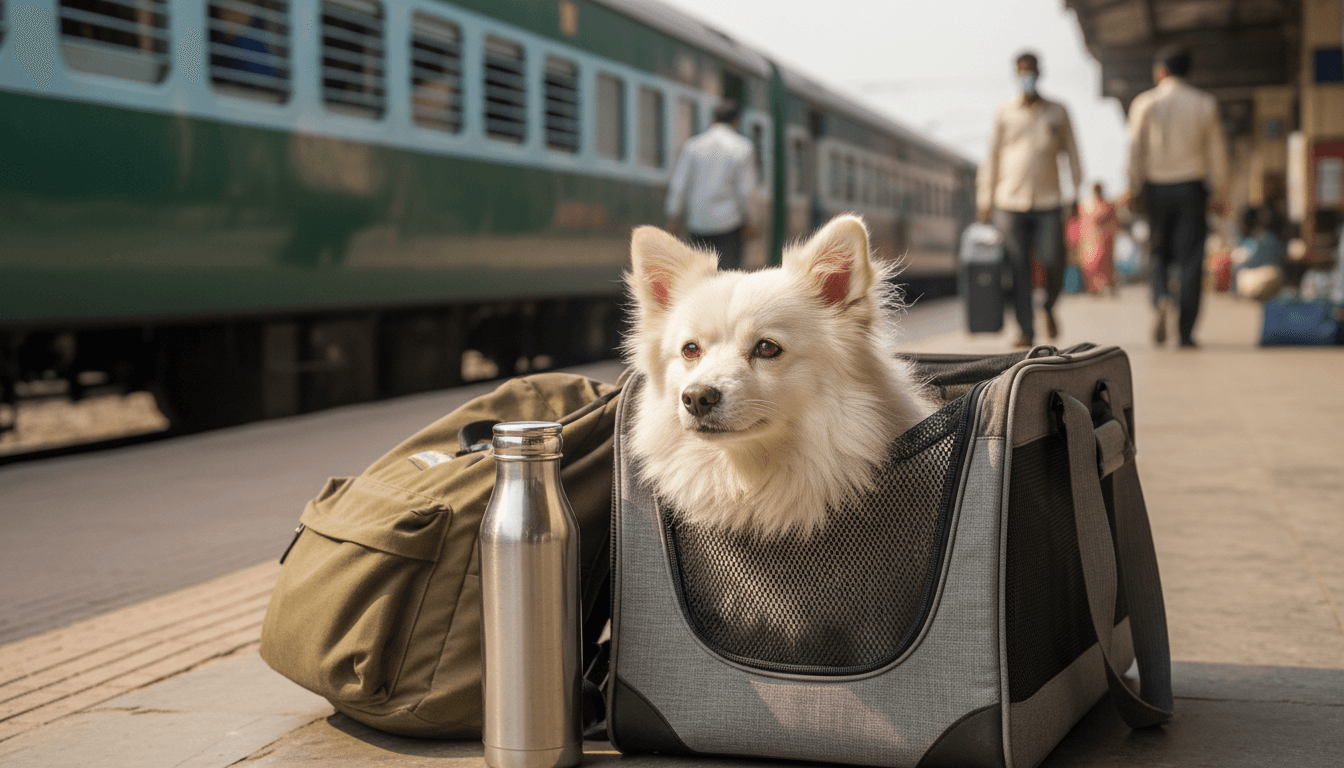
What to Do When Your Dog Refuses Brushing
Some adult dogs, especially rescues or dogs adopted after puppyhood, never accept a toothbrush despite weeks of training. If you have genuinely tried the 4-week plan above and your dog still resists, you have four alternative approaches that still maintain oral health.
- Dental wipes (Petkin Tooth Wipes, Rs 300 to Rs 400 for 100 count) — wrap around your finger and wipe the outer tooth surfaces. Less effective than brushing but better than nothing. Works for dogs that accept finger contact but not bristles
- Enzymatic water additives (Tropiclean Fresh Breath, Rs 400 to Rs 550) — add to the water bowl daily. Provides passive antibacterial action. Reduces plaque by 10-15% without any direct contact needed
- Dental diet (Royal Canin Dental, available at most Indian vet clinics) — larger kibble pieces force mechanical chewing that scrubs tooth surfaces. Feed as the primary diet, not as a supplement
- Increased professional cleaning frequency — shift from annual to every 6 months. This costs Rs 6,000 to Rs 24,000 per year but prevents disease progression when home care is limited
DodoDoggy Tip
Combine at least two alternatives. A dog on dental diet plus daily water additive plus one VOHC dental chew gets roughly 60-70% of the plaque reduction that daily brushing provides.