Key Takeaways
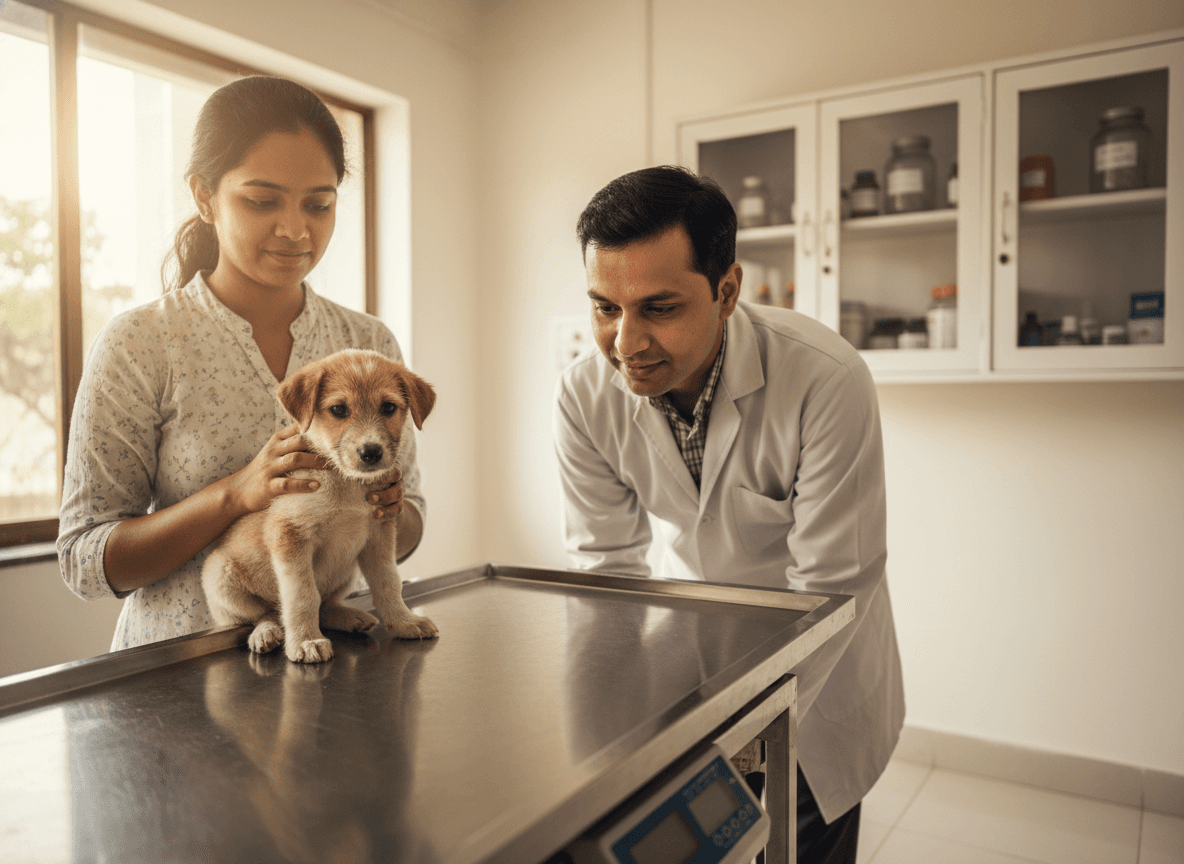
- Consultation fees range from ₹0 at government hospitals to ₹1,500 at premium private clinics in Mumbai and Bangalore
- Complete puppy vaccination series costs ₹2,500-6,000 at private clinics — government hospitals charge just ₹100-300 for the same vaccines
- Spay surgery: ₹2,500-6,000 private, ₹100-500 government; neuter: ₹1,500-4,000 private, ₹100-300 government
- After-hours emergency consultations cost 200-300% more than daytime rates — expect ₹1,500-3,000 minimum in metro cities
- Veterinary college teaching hospitals (Bombay Vet College, Madras Vet College) offer advanced procedures at 50-70% less than private multi-specialty hospitals
What You'll Actually Pay: A Reality Check
My Labrador, Biscuit, needed a dental cleaning last year. The quote from our regular clinic in Pune was ₹4,500. A friend's dog had the same procedure at the Bombay Veterinary College teaching hospital in Mumbai for ₹900. That ₹3,600 gap — for identical work — captures exactly why knowing where you stand on price before you need care matters so much.
A basic consultation in India ranges from completely free at a municipal veterinary hospital to ₹1,200 at a specialist clinic in Mumbai or Bangalore. Spay/neuter surgery costs ₹3,000-12,000 depending on dog size and facility. Emergency care after hours can triple normal rates. This 2026 price guide compiles fee data from veterinary clinics across Indian metros and smaller cities.
Three things drive Indian vet pricing more than anything else: city tier, facility type, and whether you show up during regular hours. Getting comfortable with each variable before you need care — not during a crisis — is what this guide is for.
Read also: complete senior dog care tips for aging dogs in India.
Average Consultation Fees by City and Clinic Type
Mumbai charges the most of any Indian city. Clinic rent in Bandra or Andheri runs 3-4x what the same space costs in Kolkata or Chennai, and vets pass that overhead on. A Mumbai multi-specialty consultation at ₹1,000-1,500 isn't price gouging — it's geography. Bangalore comes close to Mumbai on pricing; Delhi/NCR runs slightly lower. Chennai and Kolkata are the most affordable metro options for routine care.
The gap between government and private fees is dramatic and deliberate. Government veterinary hospitals (run by municipal corporations and state governments) are subsidized institutions — their job is livestock and stray animal welfare, not profit. They'll charge ₹0-100 for the same consultation a private clinic charges ₹500-800 for. The trade-off: long queues, basic equipment, variable hours. For a straightforward annual booster, government hospitals are excellent value. For a limping dog that might need an X-ray and orthopedic evaluation, go private.
Consultation Fees by City — Government and Private Clinics (2026)
| City | Government Hospital | Private Clinic |
|---|---|---|
| Mumbai | Free - ₹100 | ₹500 - ₹800 |
| Delhi/NCR | Free - ₹50 | ₹400 - ₹700 |
| Bangalore | Free | ₹400 - ₹600 |
| Chennai | Free - ₹50 | ₹300 - ₹500 |
| Pune | Free - ₹50 | ₹350 - ₹600 |
| Kolkata | Free | ₹300 - ₹500 |
Multi-Specialty and Home Visit Consultation Fees (2026)
| City | Multi-Specialty Hospital | Home Visit |
|---|---|---|
| Mumbai | ₹1,000 - ₹1,500 | ₹1,200 - ₹1,800 |
| Delhi/NCR | ₹800 - ₹1,200 | ₹1,000 - ₹1,500 |
| Bangalore | ₹800 - ₹1,200 | ₹1,000 - ₹1,400 |
| Chennai | ₹600 - ₹1,000 | ₹800 - ₹1,200 |
| Pune | ₹700 - ₹1,000 | ₹900 - ₹1,300 |
| Kolkata | ₹600 - ₹900 | ₹800 - ₹1,100 |
Dodo Tip
Ask if the clinic offers wellness packages for frequent visitors. Some clinics bundle 6-12 consultations annually at discounted rates (₹3,000-6,000) — worthwhile if you have a puppy or senior dog needing regular check-ups. A yearly package at ₹4,000 beats 6 individual consultations at ₹800 each.
Government Veterinary Hospitals: When They Make Sense (and When They Don't)
Government hospitals vary enormously. The Madras Veterinary College teaching hospital in Chennai and the Bombay Veterinary College in Parel (Mumbai) are genuinely excellent facilities with experienced faculty supervising every procedure. The IVRI (Indian Veterinary Research Institute) in Bareilly operates a small animal clinic that's a hidden gem if you're in Uttar Pradesh. These college hospitals are different from the typical municipal dispensaries — they have real diagnostic equipment, operating theaters, and specialists.
Municipal dispensaries are a different story. They're staffed by government vets, often overwhelmed, with limited supplies and no appointment system. Get there early, expect to wait 1-3 hours, and bring your own vaccine if you want a specific brand. They're best for routine vaccinations and basic deworming where the service itself is standardized and can't vary much regardless of setting.
What government hospitals genuinely excel at: rabies vaccinations (free under the National Rabies Control Programme in many states), routine spay/neuter for cost-conscious owners, and basic wound care. What they can't reliably provide: after-hours emergency service, advanced imaging, specialist referrals, or consistent follow-up care.
Did You Know?
Government veterinary colleges (Bombay Veterinary College, Madras Veterinary College, College of Veterinary Science Hyderabad) run teaching hospitals that charge 50-70% less than private hospitals. Students perform procedures under experienced professor supervision — excellent quality at subsidized rates. ACL repair surgery costs ₹20,000-40,000 at these colleges versus ₹50,000-1,00,000 at private multi-specialty hospitals.
Vaccination Schedule and Costs: Complete Breakdown
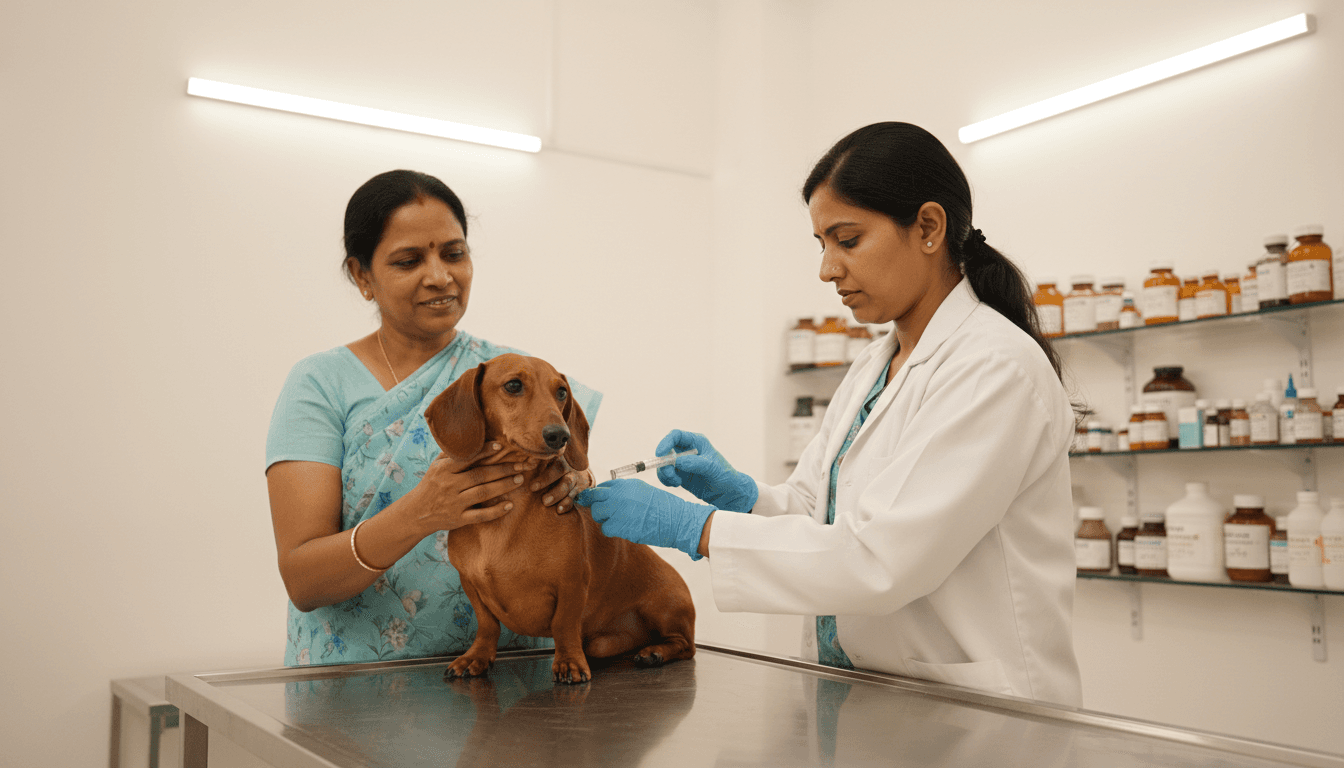
Vaccination is where the government vs private gap is starkest. The Nobivac or Vanguard DHPP vaccine costs a private clinic around ₹250-400 wholesale; they sell it administered for ₹600-1,200. A government hospital using the same vaccine charges ₹20-50 — sometimes less than the vial cost because it's subsidized. For financially stretched families, this is genuinely life-changing arithmetic over a dog's lifetime.
One thing worth knowing: the WSAVA (World Small Animal Veterinary Association) guidelines, which Indian vet colleges increasingly follow, recommend moving away from annual DHPP boosters toward 3-year intervals after the initial puppy series is complete. Over-vaccination is a real concern. If your vet is still pushing annual DHPP boosters without discussing titer testing, that's worth a conversation.
Titer testing (₹2,000-3,000 at most private labs) checks whether your dog's existing immunity is still protective. It's more expensive upfront but can spare your dog unnecessary vaccine doses if titers remain high. Most Indian vets don't yet routinely offer it — ask specifically.
Vaccination Schedule and Costs — 2026
| Vaccine / Age | Private Clinic | Government Hospital |
|---|---|---|
| DHPP (6-8 weeks) | ₹600 - ₹1,200 | ₹20 - ₹50 |
| DHPP + Lepto (10-12 weeks) | ₹700 - ₹1,400 | ₹40 - ₹80 |
| DHPP + Rabies (14-16 weeks) | ₹700 - ₹1,400 | ₹40 - ₹100 |
| Annual DHPP Booster | ₹600 - ₹1,200 | ₹20 - ₹50 |
| Annual Rabies Booster | ₹300 - ₹600 | ₹20 - ₹50 |
| Kennel Cough (Bordetella) | ₹500 - ₹1,000 | Not available |
| Deworming (per dose) | ₹100 - ₹300 | ₹20 - ₹50 |
| Complete Puppy Series | ₹2,500 - ₹6,000 | ₹100 - ₹300 |
Note on Vaccination Frequency
WSAVA guidelines now support 3-year intervals for core vaccines (DHPP) after the initial puppy series is complete, rather than annual boosters. Ask your vet about titer testing (₹2,000-3,000) to check immunity levels before automatic re-vaccination. Rabies remains annual in most Indian states due to the endemic disease risk — this one you should not skip.
Surgery and Procedure Costs: What to Expect
Surgery pricing in India is genuinely wide-ranging. A female spay at a government hospital can cost ₹100-500. The same operation at a DCC Animal Hospital or Cessna Lifeline in Bangalore costs ₹6,000-12,000. Both can produce excellent outcomes. The difference is mostly infrastructure: monitoring equipment, trained anesthesiologists, post-op ICU, and consistent nursing care.
For elective procedures like spay/neuter and dental cleaning, government veterinary colleges are a genuinely good option — the senior faculty supervising final-year students have often done thousands of these procedures. For emergency surgeries (bloat/GDV, C-section, trauma), you need a properly equipped private hospital. Bloat kills dogs in 2-3 hours without surgery; this is not the moment to optimize for cost.
ACL (cruciate ligament) repair deserves a note. At ₹30,000-60,000 at private clinics and ₹50,000-1,00,000 at multi-specialty hospitals, it's one of the most expensive orthopedic procedures. The Bombay Veterinary College and Tamil Nadu Veterinary and Animal Sciences University (TANUVAS) perform these at ₹20,000-40,000 under faculty supervision. If you're in Chennai or Mumbai and not in an emergency situation, the cost difference is worth planning around.
Surgical Procedure Costs — 2026
| Procedure | Government/College | Private Clinic |
|---|---|---|
| Female Spay | ₹100 - ₹500 | ₹2,500 - ₹12,000 |
| Male Neuter | ₹100 - ₹300 | ₹1,500 - ₹8,000 |
| Dental Cleaning | ₹500 - ₹1,500 | ₹3,000 - ₹10,000 |
| Fracture Repair (simple) | ₹3,000 - ₹8,000 | ₹8,000 - ₹35,000 |
| ACL Repair | ₹20,000 - ₹40,000 | ₹30,000 - ₹1,00,000 |
| Tumor Removal (small) | ₹2,000 - ₹5,000 | ₹3,000 - ₹15,000 |
| C-Section | ₹3,000 - ₹8,000 | ₹10,000 - ₹25,000 |
| Bloat Surgery (GDV) | Not available | ₹25,000 - ₹60,000 |
Before Any Surgery
Anesthesia complications kill more dogs than surgical errors. Always ask: Who administers anesthesia — is it a trained anesthesiologist or the operating vet doubling up? Is there pulse oximetry, ECG monitoring, and a ventilator available? What's the protocol if your dog arrests on the table? Saving ₹5,000 is not worth losing your dog. For any surgery costing over ₹8,000, ask for a written pre-operative estimate and consent form.
Diagnostic Tests: What Costs What
Diagnostic costs caught me off-guard the first time Biscuit had a mystery limp. The consultation was ₹600 — fine. Then came X-rays (₹900), a CBC blood panel (₹1,200), and a tick fever PCR test (₹1,500). Total: ₹4,200 before a single treatment. That's a completely legitimate workup, but it's the kind of surprise that sends people to Reddit asking if vets are scammers.
They're not — diagnostics are genuinely expensive. X-ray machines, digital radiography plates, centrifuges, and PCR equipment are imported and costly to maintain. In-house blood analyzers let smaller clinics run CBCs and chemistry panels without sending samples to external labs, which cuts turnaround but requires ₹15-30 lakh in equipment investment. The lab fees cover that capital cost.
Tick fever diagnostics deserve specific mention for India. Ehrlichia, Babesia, and Anaplasma are endemic in most of the country — especially post-monsoon in Tamil Nadu, Karnataka, Maharashtra, and West Bengal. If your dog is lethargic, has pale gums, or won't eat in September-November after the rains, tick fever testing should be among the first things your vet orders. An ELISA or PCR panel costs ₹1,200-2,500 at most labs.
Common Diagnostic Test Costs — 2026
| Test | Cost Range |
|---|---|
| X-ray (per view) | ₹500 - ₹1,500 |
| Ultrasound (abdomen) | ₹1,200 - ₹2,500 |
| CBC (Complete Blood Count) | ₹600 - ₹1,200 |
| Blood Chemistry Panel | ₹800 - ₹1,800 |
| Tick Fever Panel (PCR) | ₹1,200 - ₹2,500 |
| Urine Analysis | ₹300 - ₹600 |
| Skin Scraping/Cytology | ₹400 - ₹800 |
| Titer Test (immunity check) | ₹2,000 - ₹3,000 |
| ECG | ₹500 - ₹1,200 |
Vet Alert: Diagnostic Overkill
Some clinics push expensive diagnostics to maximize revenue. A skilled vet can diagnose many common conditions through physical examination and basic tests. If recommended diagnostics exceed ₹5,000 at the first visit for a non-emergency, ask your vet to explain which test will change the treatment plan and which is precautionary. If they can't answer that clearly, consider a second opinion.
Emergency Services: Costs After Hours
Emergency veterinary infrastructure in India is concentrated and uneven. Mumbai has the best coverage — multiple 24/7 hospitals including Cessna Lifeline (Bangalore has two locations), DCC Animal Hospital, and several multi-specialty centers. Bangalore is reasonably covered. Delhi has options but they're spread far apart, which matters at 2am. Chennai, Pune, and Kolkata have very limited after-hours options — often one or two clinics max, and coverage isn't consistent.
Find your nearest 24/7 emergency vet before you need one. Save the number in your phone. Do a dry run to know how long it takes to get there at night. This is especially relevant in October-December when post-monsoon tick fevers peak and dogs can deteriorate fast. I spent 45 minutes frantically Googling at 11pm when Biscuit had a tick fever crisis — not something I'd repeat.
Emergency surcharges are real and steep. After-hours consultation at a private hospital typically runs ₹1,500-3,000 versus ₹400-800 during the day. ICU care runs ₹5,000-10,000 per day. A two-day hospitalization for tick fever — IV fluids, doxycycline, monitoring — realistically costs ₹8,000-15,000 all-in at a private hospital. That's the number to plan for.
Emergency Service Cost Comparison
| Service | Regular Hours | Emergency Hours |
|---|---|---|
| Consultation | ₹400 - ₹800 | ₹1,500 - ₹3,000 |
| X-ray | ₹800 - ₹1,500 | ₹1,500 - ₹3,000 |
| Blood Work (CBC) | ₹800 - ₹1,500 | ₹1,500 - ₹2,500 |
| IV Fluids (per day) | ₹500 - ₹1,000 | ₹1,000 - ₹2,000 |
| Hospitalization (per day) | ₹1,500 - ₹3,000 | ₹2,500 - ₹5,000 |
| ICU Care (per day) | ₹3,000 - ₹6,000 | ₹5,000 - ₹10,000 |
Emergency Fund
Keep ₹25,000-50,000 in a liquid instrument (savings account, liquid mutual fund) specifically for your dog. Medical emergencies don't wait for payday. This is separate from your regular pet budget. For senior dogs or breeds prone to health issues (Labrador hip dysplasia, Pug respiratory problems), the upper end of that range is more realistic.
Annual Budget: What to Actually Expect
Most Indian dog owners significantly underestimate annual vet costs — typically by 30-50% in the first few years. The sticker shock usually comes from three sources: tick prevention costs (Bravecto or NexGard at ₹1,200-2,000 per dose, quarterly), the first dental cleaning your vet recommends, and the year your dog has its first health issue.
A healthy adult dog (2-7 years) in a metro city on a private-clinic plan should budget ₹12,000-20,000 per year. Break that down: annual vaccinations ₹1,500-2,500, deworming 4 times yearly ₹600-1,200, 1-2 routine check-ups ₹800-1,600, tick/flea prevention ₹4,800-8,000 (quarterly doses), and a buffer for minor illnesses and dental. Senior dogs (8+ years) need ₹20,000-35,000 or more once six-monthly blood panels and age-related treatments start.
The biggest variable is tick prevention. If you live in Bangalore, Pune, Mumbai, or anywhere with significant vegetation and outdoor time, quarterly parasite prevention is not optional — it's the most cost-effective vet bill you can avoid. One tick fever hospitalization costs more than two years of preventive treatment.
Annual Vet Budget by Dog Life Stage
| Life Stage | Estimated Annual Cost |
|---|---|
| Puppy (0-1 year) — private clinic | ₹15,000 - ₹25,000 |
| Adult (1-7 years) — private clinic | ₹12,000 - ₹20,000 |
| Senior (8+ years) — private clinic | ₹20,000 - ₹40,000 |
| Adult — government hospital only | ₹3,000 - ₹6,000 |
| Emergency buffer (separate) | ₹25,000 - ₹50,000 |
Pet Insurance: Does It Make Sense in India?
The Indian pet insurance market has matured considerably since 2022. Bajaj Allianz, Digit Insurance, Future Generali, and Tata AIG all offer policies. Premiums run ₹5,000-15,000 annually for a medium-sized dog, with coverage limits typically ₹50,000-1,50,000 per year and claim reimbursement (not cashless) at most clinics.
Insurance makes financial sense in specific situations: young, healthy dogs of breeds with known expensive health issues (Labs and Golden Retrievers with hip dysplasia, Great Danes with bloat), owners who genuinely cannot absorb a sudden ₹50,000+ expense, and dogs in metro cities where hospital costs are highest. For healthy Indie dogs (Indian Pariah Dogs), the math rarely works out — premiums over 7 years often exceed likely claims.
The main caveat with Indian pet insurance is the claim process. Most policies require you to pay upfront and submit receipts for reimbursement, which takes 15-30 days. This means you still need liquid emergency funds even with insurance. Read the exclusions carefully — congenital conditions, pre-existing issues, and breed-specific conditions are commonly excluded.
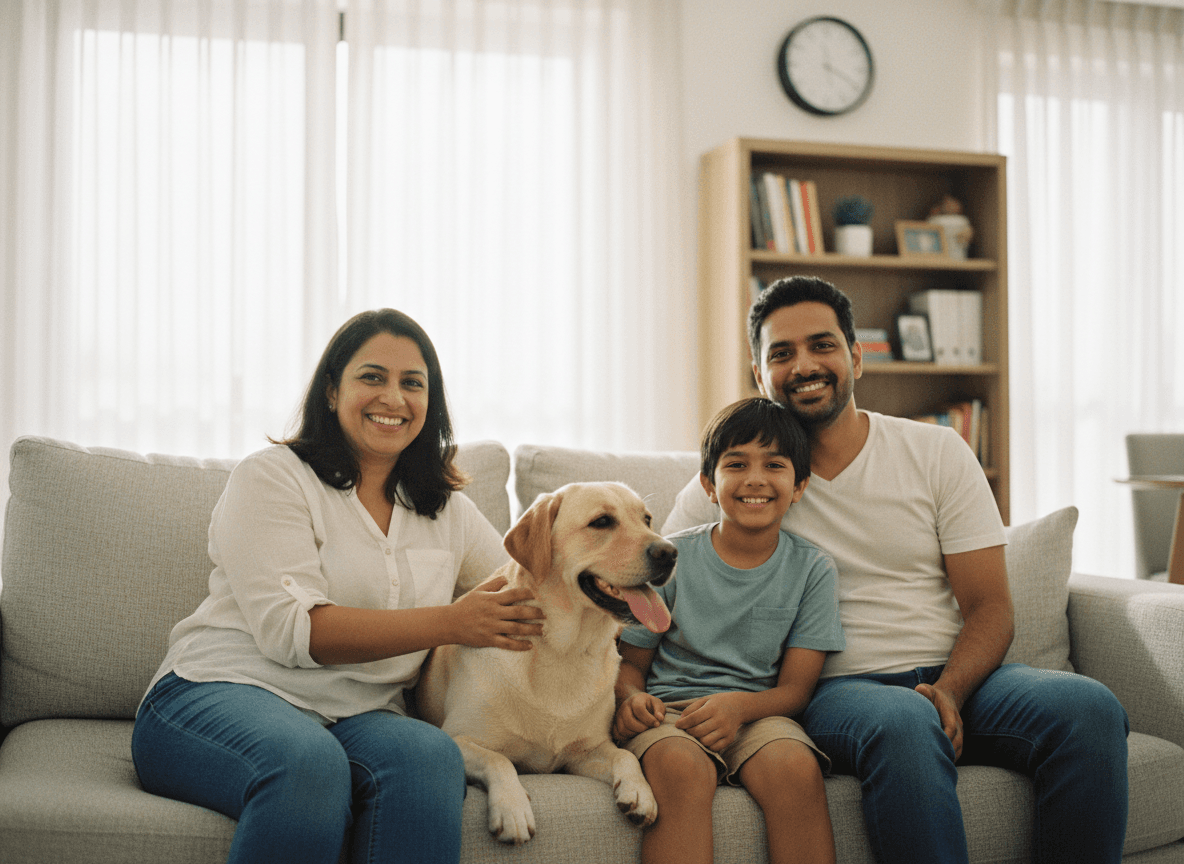
When Insurance Pays Off
Pet insurance is worth the premium if: your dog is a breed prone to expensive conditions (Labrador, Golden Retriever, Bulldog), you live in a metro where vet costs are highest, and you get the policy while your dog is young and healthy with no pre-existing conditions. For a Labrador in Mumbai, a single hip dysplasia surgery (₹60,000-1,00,000) plus ongoing arthritis management can easily exceed the total premiums paid over 4-5 years. For a healthy Indie dog in a smaller city, self-insuring with a dedicated emergency fund is usually more efficient.
Cost-Saving Strategies That Actually Work
Use government hospitals strategically for routine vaccinations and deworming. The vaccine that costs ₹800 at a private clinic costs ₹20-50 at a municipal dispensary. Same vial, same immunity. The experience isn't luxurious, but for annual boosters it's a completely reasonable choice.
For elective procedures with flexibility on timing — dental cleaning, spay/neuter for a second dog — put yourself on the waiting list at your nearest veterinary college teaching hospital. The wait can be 2-8 weeks depending on the city, but saving 50-70% on a ₹5,000-10,000 procedure is worth planning around.
Ask for itemized estimates before agreeing to any procedure over ₹3,000. Ethical vets provide written breakdowns. If the estimate surprises you, say so — many independent clinics will discuss alternatives or adjust for long-term clients. Corporate chains (Max Vets, PetCure) generally have rigid pricing. Government hospitals have fixed minimal fees.
You'll find good options like Dr. Palampalle's Pet Care Clinic in Pratikhsha Nagar, Sion East, Sion — rated 5.0/5. Check our pet stores in Mumbai directory for more choices near you.
You'll find good options like GV Pets & Clinic in KK Nagar West, Virugambakkam — rated 4.7/5. Check our pet stores in Chennai directory for more choices near you.
Always Ask for a Written Estimate
Before agreeing to tests or treatments over ₹2,000, ask for a written cost estimate. Ethical vets provide this without hesitation. If a vet refuses to discuss costs upfront or pressures you to decide immediately without explanation, that's a red flag. You have every right to request 30 minutes to consider options or seek a second opinion for non-emergency situations.