Key Takeaways
- Kerala alone recorded 3,259 human leptospirosis cases in 2025 — dogs are reservoir hosts. Vaccinate before June, every year without exception.
- Vetic Thane sees 5–8 fungal skin cases per week during monsoon. Humidity above 80% is the main trigger — drying dogs completely after every rain exposure is non-negotiable.
- Paw washing after every outdoor trip eliminates the single largest route of leptospira entry into your home.
- Floppy-eared breeds (Labs, Cockers, Bassets, Shih Tzus) need ear drying after every rain walk — infections spike 60% from June to September.
- Prevention for the full monsoon season runs ₹3,000–₹8,000. Treating leptospirosis alone costs ₹15,000–₹50,000.
- NCDC's Programme for Prevention and Control of Leptospirosis now covers 12 states — all high-risk zones for your dog too.
Why Monsoon Is the Hardest Season for Indian Dogs
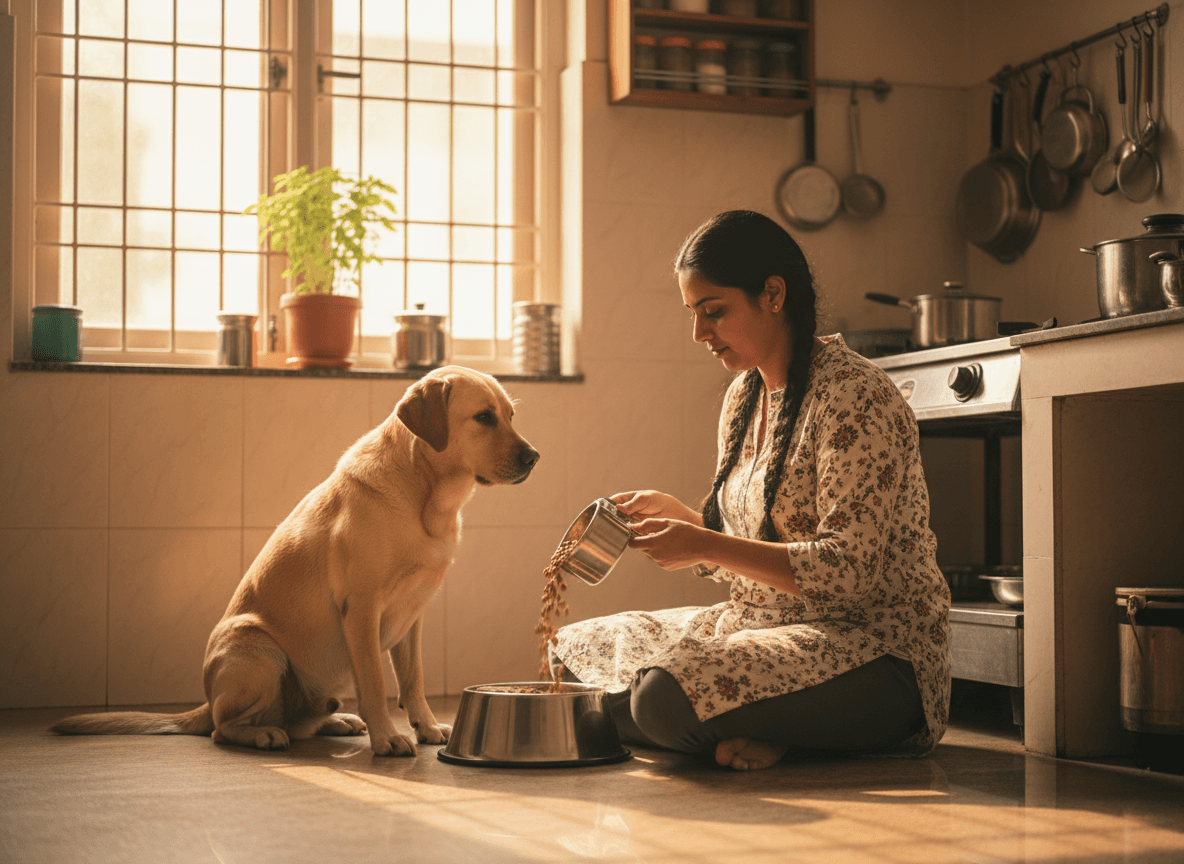
My Labrador, Biscuit, spent his first monsoon in Pune getting ear infections back-to-back. It took two vet visits and ₹4,200 before I understood what was actually happening — humidity above 75% turns a dog's ear canal into a bacterial incubator. That was the year I started treating June through September as a completely separate care regimen. Our ear infections guide covers this in detail.
Indian monsoon conditions — 70–90% humidity, temperatures holding at 28–35°C, standing water in every street corner and park — create exactly the environment where bacteria and fungi thrive. NCDC data shows leptospirosis cases in India peak sharply between July and October, driven almost entirely by contaminated floodwater and rat-urine-laced puddles. Kerala alone recorded 3,259 confirmed cases and 209 deaths in 2025 according to The South First. Dogs are reservoir hosts — they carry and spread it even without showing symptoms.
The good news: most monsoon illnesses are preventable. But only if you start before the first rains, not after your dog already has diarrhea or itching.
Leptospirosis: What Every Indian Dog Owner Must Know
Leptospirosis is a bacterial disease caused by spirochete bacteria of the genus Leptospira, and it spreads through water contaminated by infected animal urine — mostly rats. NCDC's leptospirosis control programme now covers 181 districts across 12 states including Maharashtra, Kerala, Tamil Nadu, Karnataka, West Bengal, and Assam. If you live in any of these states, your dog is in a high-risk zone during monsoon.
The bacteria enter through mucous membranes or tiny skin cuts — which means paws walking through puddles are the main entry point. Symptoms appear 7–14 days after exposure: fever, vomiting, lethargy, yellow gums, and in severe cases, kidney failure. The updated ACVIM consensus statement on leptospirosis in dogs warns that progression to acute kidney injury can happen within 24–48 hours, so waiting to see if it improves on its own is genuinely dangerous.
Vet Alert
Leptospirosis treatment means hospitalization: IV antibiotics (doxycycline or ampicillin) for 2 weeks minimum. Total costs at a clinic like Vetic or Cessna Lifeline Veterinary Hospital in Bangalore typically run ₹15,000–₹50,000 depending on how quickly kidney function is affected. Mortality rate with treatment is still 20–30%. The ₹500–₹900 annual vaccine is not optional.
Vaccination timing matters. The leptospirosis component in vaccines like Nobivac L4 covers four major serovars and requires an annual booster. Get the booster in April or May — before the rains arrive in your city. Mumbai, Kolkata, and Chennai get their first heavy showers in June; Bangalore and Pune follow in July. Don't wait until August when your dog has already had 6 weeks of puddle exposure. The full dog vaccination schedule for India explains when each booster falls relative to the monsoon window.
Water Safety: The Single Rule That Prevents Most Illness
Municipal water treatment systems in Indian cities get overwhelmed during heavy rains. When drainage overflows, it mixes with drinking water lines. In Chennai and Mumbai, this is documented every monsoon. The rule for June through September is simple: boiled or filtered water only, no exceptions.
On walks, carry a collapsible silicone bowl and a 500ml bottle from home. It sounds fussy until you've dealt with a week of bloody diarrhea from a Giardia infection your dog picked up from a puddle in Connaught Place or Bandra. Keep the water bowl clean — wash it with soap twice a day during monsoon, not just a rinse. Bacteria accumulate fast at monsoon temperatures.
Warning
Teach a hard NO-PUDDLE rule and keep your dog leashed at all times during monsoon walks. One lap of contaminated water can introduce leptospira, Giardia, Salmonella, and E. coli simultaneously. The incubation period for leptospirosis is 7–14 days — by the time symptoms appear, kidney stress may already be significant.
Paw Hygiene: The Post-Walk Routine You Cannot Skip
Paws are the main highway for monsoon infections. They walk through contaminated mud, sewage runoff, and standing water, then your dog licks them. Leptospira enters through the pads and any small cuts. Setting up a paw-washing station at your front door is the highest-ROI thing you can do this monsoon.
DodoDoggy Tip
Post-walk paw routine (takes 3 minutes): Keep a bucket with clean water, a small squirt of dog-safe soap (Himalaya Pet or similar), and a dedicated towel right at the entrance. After every single walk — including short 5-minute potty trips — wash all four paws, scrub between the toes and pads, rinse thoroughly, and dry completely. Check each pad for small cuts or redness while drying. If pads look cracked or dry, apply Beaphar or Himalaya Paw Butter (₹200–₹450) to maintain barrier integrity. This routine takes practice for first two weeks, then it becomes automatic.
Dog rain boots (₹400–₹800 from brands like Rexipets or imported options on Amazon India) reduce cleanup time and provide a physical barrier. Most dogs resist them initially. Train the association with treats for 10–15 minutes daily starting two weeks before monsoon. By June, most dogs accept them without complaint.
Ear Infections: Why Floppy-Eared Breeds Suffer Most
Ear infections spike roughly 60% during Indian monsoon months. The anatomy is the problem: floppy ears trap humid air against the ear canal, raising local moisture levels high enough for Malassezia yeast and Pseudomonas bacteria to proliferate. Labradors, Cocker Spaniels, Basset Hounds, Golden Retrievers, and Shih Tzus are the highest-risk breeds in India.
Signs to watch: head shaking, pawing at the ear, a sour or musty smell when you lift the ear flap, redness or brown-black discharge in the canal. In Mumbai's monsoon humidity, I've seen ear infections develop within 36 hours of a dog getting completely soaked in a heavy downpour and being air-dried rather than blow-dried.
Seasonal Tip
Monsoon ear care protocol: Dry ears immediately after every rain walk or bath — use a cotton ball to absorb moisture, never push it in. Apply Virbac Epi-Otic ear cleaner (₹380–₹420 at most Indian pet stores) every 10–14 days during monsoon to maintain pH balance. For dogs with chronic ear issues, schedule a professional ear flush at your vet (₹400–₹800) before June. If you see redness or smell anything off, don't wait — a ₹500 consultation prevents a ₹3,000 infection treatment.
Never use Q-tips in the ear canal. They push debris deeper and can rupture the eardrum. Cotton balls to absorb visible moisture in the outer ear, that's it. For anything deeper, a vet with an otoscope.
Fungal Skin Infections: Mumbai's Monsoon Epidemic
Vetic's clinic in Thane sees 5–8 fungal skin infection cases every week during monsoon season, according to their published data. Dermatophytosis (ringworm) and Malassezia dermatitis are the two main culprits. Research published on detection of dermatophytes in eastern India dogs confirms that fungal infections are significantly more prevalent in rainy seasons, particularly in dogs allowed to roam or with frequent outdoor exposure.
Signs differ by type. Ringworm appears as circular patches of hair loss with scaly borders — most common on the face, ears, and paws. Malassezia causes greasy, brown-crusted skin with intense itching and a distinctive musty smell. Bulldogs, Pugs, and Shar-Peis are especially prone because their skin folds hold moisture against the skin.
Warning
Never air-dry your dog during monsoon. Ambient humidity at 80–90% means a 'dry' dog is still holding moisture in skin folds, armpits, groin, and between toes. Use a towel followed by a blow dryer on the cool setting — keep it moving, never hold it in one spot. Pay attention to armpits, groin, the skin under any folds, between each toe, and the base of the tail. A dog that smells musty after a walk wasn't dried well enough.
Treatment for confirmed fungal infections: itraconazole (5 mg/kg daily) or terbinafine are standard protocols per WAVD clinical consensus guidelines. Treatment runs 6–8 weeks. Vet consultation plus a 6-week antifungal course typically costs ₹2,500–₹6,000 depending on the clinic and your city. Prevention with antifungal shampoo (Virbac Episoothe or Himalaya Anti-dandruff, ₹350–₹700) every 10–14 days costs a fraction of that.
Parasites: Tick and Flea Surge During Rainy Season
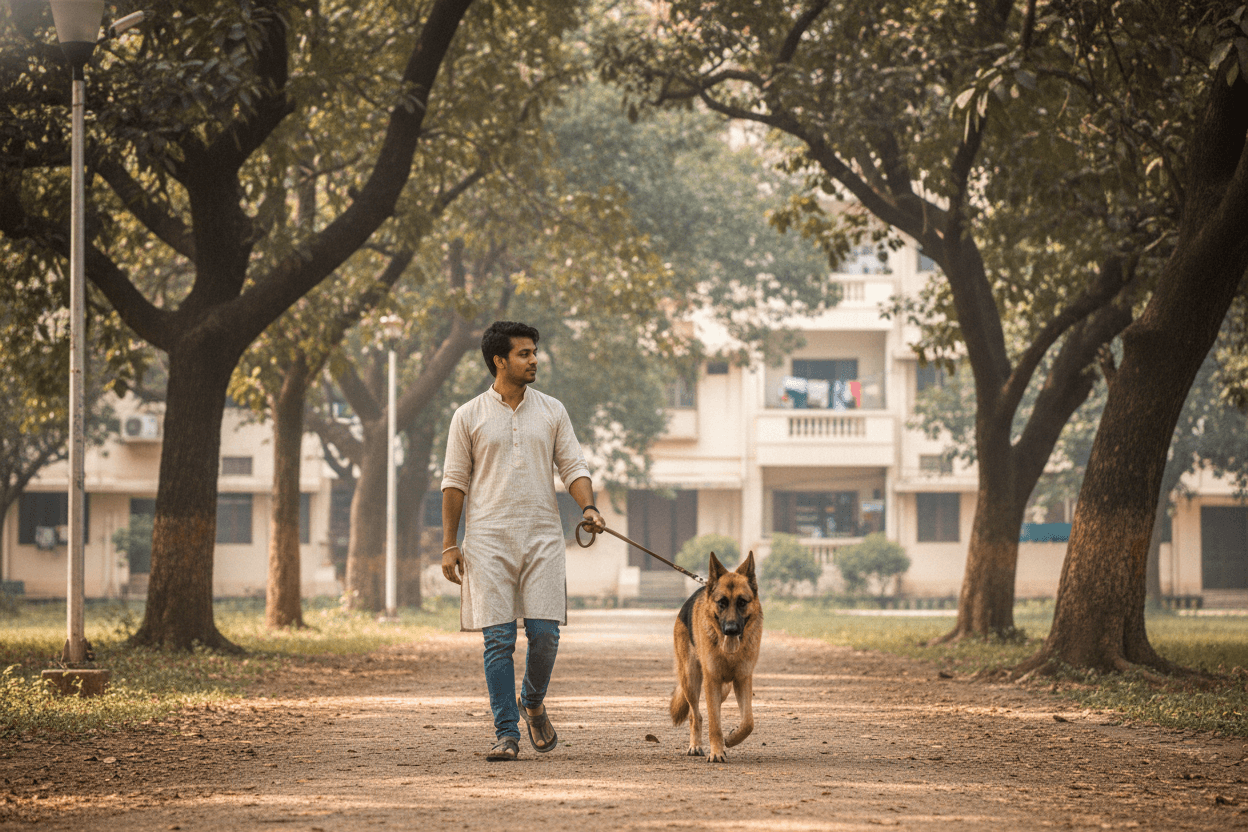
Tick and flea populations spike 60–70% during monsoon. Warm soil, high humidity, and grass holding water droplets are ideal conditions for tick larvae to develop. In Bangalore's parks and Delhi's green belts, tick counts per square metre roughly double from June through September.
Spot-on treatments applied monthly are the standard — Frontline Plus (₹350–₹500 per pipette) or Bravecto (₹1,200–₹1,500 per dose, covers 3 months) are widely available at Indian pet stores and vet clinics. Oral tick preventives like NexGard (₹600–₹900 per chew) work for dogs who rub off spot-on treatments. If you're in a high-tick zone like Coorg, Dehradun, or Ooty, do daily tick checks of ears, neck, armpits, groin, and between toes after every walk. Tick-borne diseases and their treatment costs are covered in the common dog health problems India guide.
Pro Tip
Deworming frequency increases during monsoon. Standard schedule is every 12 weeks, but from June to September, most vets in India recommend every 6–8 weeks. Ground contact with contaminated soil and water dramatically raises hookworm and roundworm exposure. A single deworming dose (Drontal Plus or Caniquantel) costs ₹150–₹400 depending on your dog's weight and your city.
Grooming: What Changes During Monsoon
Grooming frequency has to increase during monsoon, not decrease. Daily brushing prevents mats that trap moisture against the skin. Long-coated breeds — Golden Retrievers, Spaniels, Pomeranians — are especially at risk of matting in monsoon humidity. A mat that holds dampness for hours is a guaranteed fungal infection site.
Professional grooming every 3–4 weeks (vs every 6–8 weeks in other seasons) keeps the coat manageable. In Mumbai and Bangalore, professional grooming sessions run ₹800–₹2,500 depending on breed size and coat type. Ask for a trim of excess hair in skin folds (Bulldogs, Pugs), armpits, and groin — these spots accumulate moisture most.
Bathing every 10–14 days with an antifungal shampoo is the right frequency. More often strips natural oils; less often allows fungal spores to establish. The sequence matters: wet thoroughly, apply antifungal shampoo, leave on for 5 minutes (this is the active contact time, most people rinse too fast), then rinse completely, then dry completely.
Indoor Exercise on Heavy Rain Days
When Bangalore or Mumbai gets the kind of heavy downpour that runs 6+ hours, skipping the walk makes sense. But a Lab or Golden going without physical and mental exercise for 2–3 consecutive days becomes destructive and anxious. The solution isn't braving the rain — it's indoor exercise that actually tires them out.
Tug games with a rope toy in a hallway, short 5-minute training sessions throughout the day, sniff games (hide high-value treats around three or four rooms), and Kong stuffed with frozen homemade food (curd rice, boiled chicken, banana — freeze overnight) all work well for Indian apartment conditions. Puzzle feeders (₹350–₹1,200 from Heads Up For Tails or Petsy) replace 20–30 minutes of outdoor mental stimulation.
Monsoon Diet and Food Storage
Humidity spoils dry dog food fast. A bag of Drools Focus Adult or Royal Canin left open in Chennai's 90% humidity develops mold within 2–3 days. Store kibble in an airtight container — the large Tupperware or OXO containers (₹400–₹800 from online retailers) are worth it. Buy in smaller quantities more frequently rather than the 10–15 kg bags you might prefer in winter.
Some dogs eat less during monsoon because ambient temperatures stay mild and activity decreases on heavy rain days. Don't force feed, but don't cut portions aggressively either — dogs need adequate nutrition to maintain immune function during the high-pathogen-load season. If your dog refuses food for more than 36 hours, it's worth a vet call rather than assuming it's just the weather.
Monsoon Cost Summary: Prevention vs Treatment
The cost comparison below covers June–September for a single adult dog in a metro city. Tier-2 city costs run roughly 30–40% lower.
| Item | Prevention Cost | Treatment Cost if Skipped |
|---|---|---|
| Leptospirosis vaccine (annual) | ₹500–₹900 | ₹15,000–₹50,000 hospitalization |
| Tick/flea preventive (4 months) | ₹1,400–₹6,000 | ₹3,000–₹10,000 tick-borne disease Rx |
| Deworming (2–3 doses) | ₹300–₹1,200 | ₹1,500–₹4,000 GI infection |
| Antifungal shampoo (season) | ₹700–₹1,400 | ₹2,500–₹6,000 dermatophytosis Rx |
| Ear care (Epi-Otic, cleaning) | ₹400–₹800 | ₹1,500–₹3,000 ear infection Rx |
| Paw care (balm, wax) | ₹400–₹900 | ₹1,000–₹3,000 paw infection Rx |
| Professional grooming (4x) | ₹3,200–₹10,000 | Included above |
Quick Fact
Total prevention budget (June–September): ₹3,000–₹8,000. Total potential treatment cost if preventive care is skipped: ₹25,000–₹75,000+. Prevention is 8–10x more cost-effective, and that's before counting the missed work and stress of managing a sick dog.
Emergency Preparedness for Monsoon
- Save your vet's emergency number and the nearest 24/7 clinic address before June. In flooding, roads close — know two routes.
- Keep 2 months of prescription medication (heartworm preventive, any chronic condition Rx) stocked ahead of monsoon.
- Store 1 month of dry food in airtight containers. Kibble exposed to monsoon humidity can mold in 48–72 hours.
- First aid kit: Betadine antiseptic, sterile gauze, dog-safe adhesive bandage, tweezers for ticks, rectal thermometer.
- Battery-operated or rechargeable fan for power outages — dogs overheat in monsoon humidity without airflow.
You'll find good options like Dr. Palampalle's Pet Care Clinic in Pratikhsha Nagar, Sion East, Sion — rated 5.0/5. Check our pet stores in Mumbai directory for more choices near you.
You'll find good options like Heads Up For Tails Pet Store - Orion Mall, Bengaluru in West, Malleshwaram — rated 5.0/5. Check our pet stores in Bengaluru directory for more choices near you.