Key Takeaways
- Otitis externa affects ~20% of dogs globally, but India's monsoon-season humidity (80-95% in coastal cities) pushes local prevalence significantly higher.
- Three main infection types: Malassezia yeast (brown waxy discharge, musty odor), Staphylococcus bacteria (yellow pus), and ear mites from stray dog contact (dark coffee-ground debris).
- First-time treatment costs Rs 900-2,500 in tier-2 cities; Rs 1,500-4,000 in metros like Mumbai and Bangalore.
- Cocker Spaniels are 4-5x more likely to develop ear infections than upright-eared breeds. Indian Pariah Dogs carry the lowest risk.
- Monthly selamectin spot-on (Revolution/Stronghold, Rs 400-800 per vial) protects against ear mites alongside heartworm and fleas.
Introduction: Why Dog Ear Infections Are a Major Problem in India
Ear infections rank among the top five reasons Indian dog owners visit veterinary clinics, alongside skin conditions, gastrointestinal issues, vaccination, and parasite treatment. That's not a coincidence. India's climate, urban lifestyle, and large stray dog population create near-perfect conditions for ear infections to develop and persist.
Otitis externa, inflammation of the outer ear canal, affects approximately 20% of dogs globally according to VCA Animal Hospitals. In coastal cities like Mumbai, Chennai, and Kochi, that rate climbs higher because monsoon-season humidity routinely hits 80-95% from June through September. That seasonal moisture spike translates directly into a measurable increase in veterinary presentations for ear infections.
The condition occurs in three forms based on depth: otitis externa (outer canal), otitis media (middle ear), and otitis interna (inner ear). The outer form is most common and most treatable. Untreated cases do progress inward and can cause permanent hearing damage or neurological symptoms. Most uncomplicated infections resolve within 1-2 weeks with correct treatment. Chronic cases, far harder and more expensive to manage, almost always begin as ignored or undertreated early infections.
For more on dental health — parents, see our dental health — parents guide.

Why Indian Climate Creates the Perfect Storm for Dog Ear Infections
India's coastal cities experience monsoon-season humidity between 80-95% (Mumbai, Chennai, Kochi, Kolkata). That warm, moist air creates the exact temperature and moisture conditions that bacteria and yeast need to multiply rapidly inside a dog's ear canal.
Malassezia pachydermatis, the most common yeast causing ear infections in dogs worldwide, normally lives on canine skin in harmless small numbers. India's average year-round temperature of 25-40°C triggers explosive yeast reproduction inside the ear canal. The same heat also maintains canal temperatures above 30°C, which suits Staphylococcus pseudintermedius and Pseudomonas aeruginosa perfectly.
Monsoon flooding adds another layer of risk specific to India. Temporary standing water in parks, lanes, and open areas where dogs walk and play often contains contaminated water that enters ear canals during June-September. Dogs in Indian cities are also bathed more frequently than their counterparts in drier climates, due to dust and pollution. Improper ear drying after baths is one of the leading triggers for ear infections in urban pets.
Two less obvious factors compound India's elevated ear infection rates. First, the country has more than 30 million stray dogs, one of the world's highest populations, creating a large reservoir for ear mites (Otodectes cynotis) that pet dogs can pick up through contact during walks. Second, extensive air conditioning use in Indian metros creates rapid temperature swings from outdoor 38°C to indoor 22°C, causing condensation inside the ear canal. This AC-humidity cycle is a clinically observed trigger that many owners don't connect to their dog's ear problems.
For more on diarrhea treatment india — worry, see our diarrhea treatment india — worry guide.
Spot It Early: Ear Infection Symptoms Your Indian Dog May Be Hiding
Dogs rarely announce pain directly. What you'll see are behavioral shifts and physical signs that are easy to misread as general itchiness or restlessness.
The earliest sign is repetitive head shaking: three or more vigorous shakes in a row, especially after waking or returning from outdoor activity, signals ear discomfort even before any discharge appears. Scratching at the ear with a hind leg, or rubbing one side of the head on the floor or furniture, is equally telling. Many Indian dog owners mistake this for seasonal skin irritation during summer months.
Discharge is a definitive symptom, and its color tells you the infection type. Dark brown, waxy, greasy discharge points to yeast. Yellowish to creamy pus indicates bacteria. Dark coffee-ground granules packed into the canal are the hallmark of ear mites. A foul odor is reliable even without visible discharge: yeast infections produce a sweet, musty, bread-like smell, while Pseudomonas bacterial infections produce a sharp, putrid odor.
Redness and swelling inside the ear flap and at the canal entrance are early inflammatory signs visible without a scope, and the ear will feel warm to the touch. Pain response when gently pressing near the base of the ear (the dog flinches, whimpers, or snaps) means the inflammation is significant and warrants a vet visit, not home treatment.
Advanced warning signs requiring emergency vet attention within 24 hours include head tilting to one side, loss of balance or circling, sudden hearing loss (your dog stops responding to familiar commands), or facial nerve paralysis. These indicate that infection has spread to the middle or inner ear and needs urgent, aggressive treatment, per Cornell University College of Veterinary Medicine.
For more on winter care india — keep, see our winter care india — keep guide.

Dog Ear Infection Types at a Glance: Quick Reference for Indian Dog Owners — Caused By, Key Signs
| Infection Type | Caused By | Key Signs |
|---|---|---|
| Yeast | Malassezia pachydermatis | Brown waxy discharge, musty sweet odor |
| Bacterial (mild) | Staphylococcus pseudintermedius | Yellowish pus, moderate odor |
| Bacterial (resistant) | Pseudomonas aeruginosa | Yellow-green foul discharge, severe pain |
| Ear Mites | Otodectes cynotis | Dark coffee-ground debris, intense itching |
| Mixed (yeast + bacteria) | Multiple organisms simultaneously | Mixed discharge, strong odor, slow to resolve |
Dog Ear Infection Types at a Glance: Quick Reference for Indian Dog Owners — Standard Treatment in India, Approx. Cost (INR)
| Infection Type | Standard Treatment in India | Approx. Cost (INR) |
|---|---|---|
| Yeast | Miconazole or clotrimazole ear drops, 7-14 days | Rs 350-800 |
| Bacterial (mild) | Surolan or gentamicin drops, 7-14 days | Rs 350-800 |
| Bacterial (resistant) | Culture and sensitivity test + systemic antibiotics | Rs 1,500-4,000+ |
| Ear Mites | Eradimite drops or selamectin spot-on monthly | Rs 150-500 |
| Mixed (yeast + bacteria) | Otomax or Surolan (combination drops), 7-14 days | Rs 400-1,000 |
Know Your Enemy: Bacterial, Yeast, and Ear Mite Infections in Indian Dogs
Malassezia pachydermatis is the most common single cause of otitis externa in dogs worldwide. It produces a brownish, waxy, greasy discharge with a musty odor, and it thrives specifically in India's warm humidity. Antifungal ear drops (miconazole or clotrimazole) for 7-14 days usually clear it up. Combination products like Otomax (gentamicin + clotrimazole + betamethasone, Rs 400-800) address both bacterial and fungal components in one bottle.
Staphylococcus pseudintermedius, the most common bacterial cause, produces yellowish to creamy pus and responds well to topical gentamicin, ciprofloxacin, or polymyxin B. Surolan (polymyxin B + miconazole + prednisolone, Rs 350-700) is among the most commonly prescribed ear drops at Indian veterinary clinics precisely because it covers both bacteria and yeast in a single formulation.
Pseudomonas aeruginosa is the most dangerous culprit. It produces a foul yellow-green discharge, causes severe pain, and resists standard topical antibiotics. Dogs with chronic, recurrent ear infections in India's humid climate are particularly vulnerable to Pseudomonas. Treatment requires a culture and sensitivity test (Rs 800-2,000 at Suburban Diagnostics or Metropolis), often combined with systemic antibiotics alongside topical treatment.
Ear mites deserve special attention in the Indian context. Otodectes cynotis is especially prevalent here because of the country's large stray dog population. The hallmark sign is dark brown or black debris resembling coffee grounds packed in the ear canal. Mite infections are more common in puppies under six months and in adult dogs that regularly contact strays during walks. Treatment options include ivermectin-based drops like Eradimite (Rs 150-400) or a monthly selamectin spot-on (Revolution/Stronghold, Rs 400-800) that covers mites, heartworm, and fleas simultaneously.
Mixed infections (yeast and bacteria occurring together) account for 30-40% of ear infection cases. These need combination drops from the start. Underlying food or environmental allergies drive up to 50% of recurrent infections. Common food allergens in India include chicken, beef, wheat, and dairy. Dogs whose ear infections keep coming back after seemingly successful treatment almost certainly have an undiagnosed allergy as the root cause, and treating only the ear without addressing the allergy guarantees recurrence.
For more on vaccination boosters india — schedule,, see our vaccination boosters india — schedule, guide.
The Most Common Mistake Indian Dog Owners Make
Stopping treatment the moment symptoms disappear is the single biggest driver of chronic ear infections in India. The bacteria or yeast causing those symptoms are still present when redness and odor fade. Your vet prescribes 7-14 days of ear drops for a reason. Complete the full course, then return for a follow-up cytology to confirm the ear is actually clear before stopping treatment. Incomplete courses also drive antibiotic resistance, making the next infection harder to treat. For more on vaccination schedule (2026 guide), see our vaccination schedule (2026 guide) guide.
Ear Infection Diagnosis and Treatment in India: What to Expect at the Vet
Every vet visit for an ear infection starts with an otoscopic examination, a visual inspection of the ear canal and eardrum using a lighted scope. This takes 5-10 minutes and is performed at every veterinary clinic in India. Checking the eardrum first is essential because certain ear drop medications can worsen damage if the eardrum is already perforated.
Ear cytology is the key diagnostic test. The vet takes a sample of discharge and examines it under a microscope to identify whether the organism is a yeast, bacterium, or mite. This costs Rs 200-400 in tier-2 cities (Nagpur, Lucknow, Jaipur, Coimbatore) and Rs 400-800 in metros. Smaller clinics in India sometimes skip cytology and prescribe empirically. That's a problem: treating a mite infection with antibiotics, or a bacterial infection with antifungal drops, simply won't work and delays recovery.
For resistant or recurrent infections, bacterial culture and sensitivity testing identifies exactly which antibiotics the bacteria respond to. Labs like Suburban Diagnostics and Metropolis offer this service for Rs 800-2,000, with results in 3-5 days. This step is essential before committing to an expensive antibiotic course, especially when Pseudomonas infection is suspected.
Professional ear flushing (aural lavage) is needed when debris or discharge is too heavy for drops to penetrate. Done under sedation, this procedure thoroughly cleans the canal and runs Rs 1,500-5,000 in tier-2 cities and Rs 3,000-8,000 in Mumbai and Bangalore. Roughly 15-20% of first-time cases require this before drops can work effectively.
For dogs with chronically infected, scarred, and calcified ear canals after years of repeated infections, total ear canal ablation (TECA) surgery is the last resort. Specialty hospitals in Bangalore (Cessna Lifeline Veterinary Hospital), Mumbai, Delhi, and Hyderabad perform this procedure at Rs 20,000-60,000 per ear.
Ear Infection Treatment Costs in India: City-Wise INR Breakdown
Treatment costs vary significantly depending on city tier and whether the infection is caught early or has become chronic. Here's a realistic breakdown of what Indian dog owners can expect to pay at each stage.
Veterinary consultation fees for ear infection assessment: Rs 300-500 in tier-2 and tier-3 cities like Nagpur, Lucknow, Jaipur, and Coimbatore; Rs 500-1,500 in metro cities including Mumbai, Delhi, Bangalore, Hyderabad, and Chennai. Ear cytology (microscopy) runs Rs 200-400 in smaller cities and Rs 400-800 in metros. Prescription ear drops for a 7-14 day course range from Rs 150-400 for basic single-agent products to Rs 350-800 for combination drops like Surolan or Otomax.
Ear cleaning solutions for home maintenance include Epi-Otic (Virbac, Rs 450-700), Cliny ear cleaner (Rs 350-600), and MalAcetic ear cleanser (Rs 400-650), available at veterinary pharmacies and pet retail chains including Heads Up For Tails and PetZone across major Indian cities.
Putting the numbers together: total cost for an uncomplicated first-time ear infection (consultation plus cytology plus drops plus a cleaning solution) runs Rs 900-2,500 in tier-2 cities and Rs 1,500-4,000 in metros. Add professional ear flushing if needed (required in about 15-20% of first-time cases) and the total rises to Rs 3,000-5,500 in smaller cities and Rs 4,500-12,000 in Mumbai or Bangalore. Bacterial culture and sensitivity testing for resistant infections adds Rs 800-2,000 at labs like Suburban Diagnostics, Metropolis, or Dr. Lal PathLabs' veterinary divisions.
For more on heat stroke prevention india, see our heat stroke prevention india guide.

Which Indian Dog Breeds Are Most Vulnerable to Ear Infections?
Ear anatomy determines susceptibility far more than individual health habits. Floppy ears that block airflow, hair inside the canal, and deep canal structures all trap moisture and debris in India's humid climate.
Cocker Spaniels sit at the top of the risk ranking. Their long, heavy, pendulous ear flaps completely block airflow into the canal, and veterinary studies show they are 4-5 times more likely to develop otitis externa than erect-eared breeds. Owners in Indian metros should clean their Cocker's ears every 1-2 weeks, not just monthly.
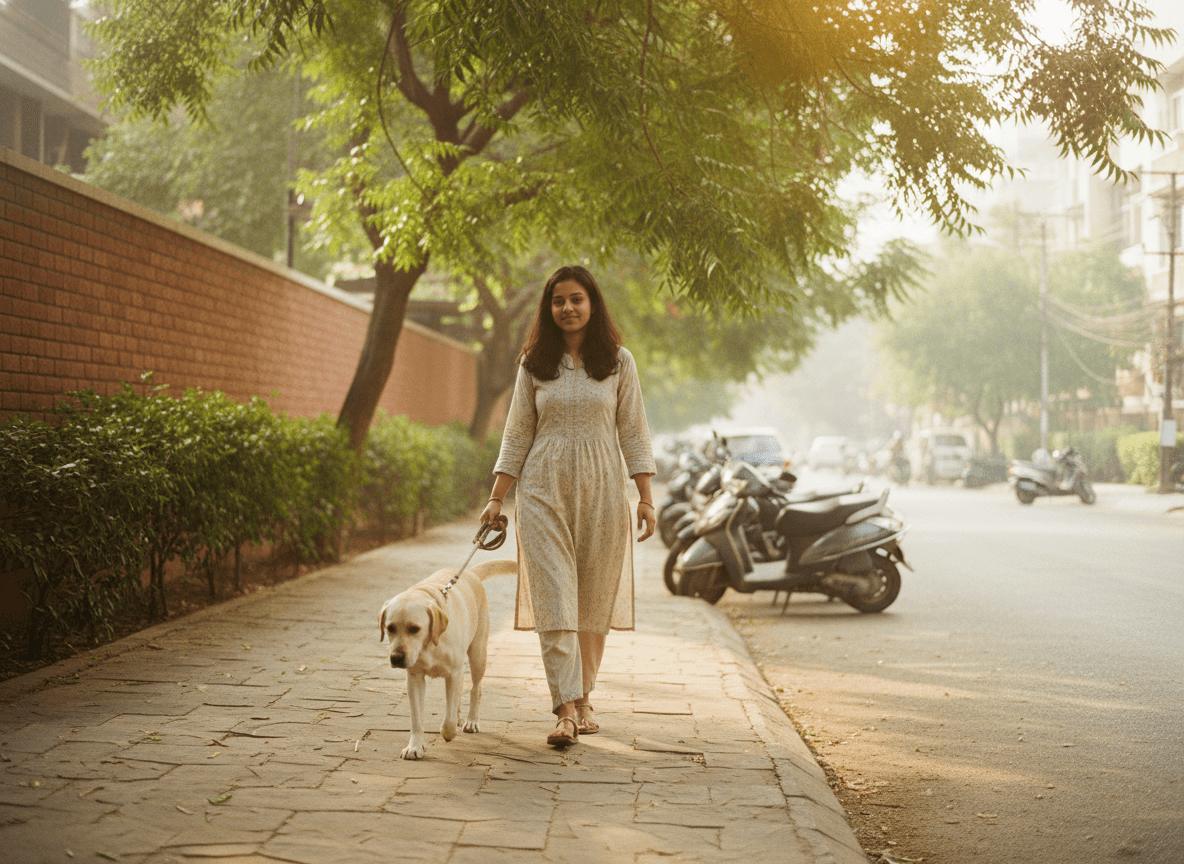
Labrador Retrievers, India's most popular pet dog breed, carry moderate-to-high risk. Large, floppy outer ear flaps combined with a love of water (including monsoon-flooded streets and park ponds) fills their canals with moisture regularly. Ears should be checked and dried after every water activity. Beagles carry similarly high risk: long floppy ears limit air circulation in their deep ear canals, and monthly veterinary ear checks are recommended for Beagles in India's humid climate.
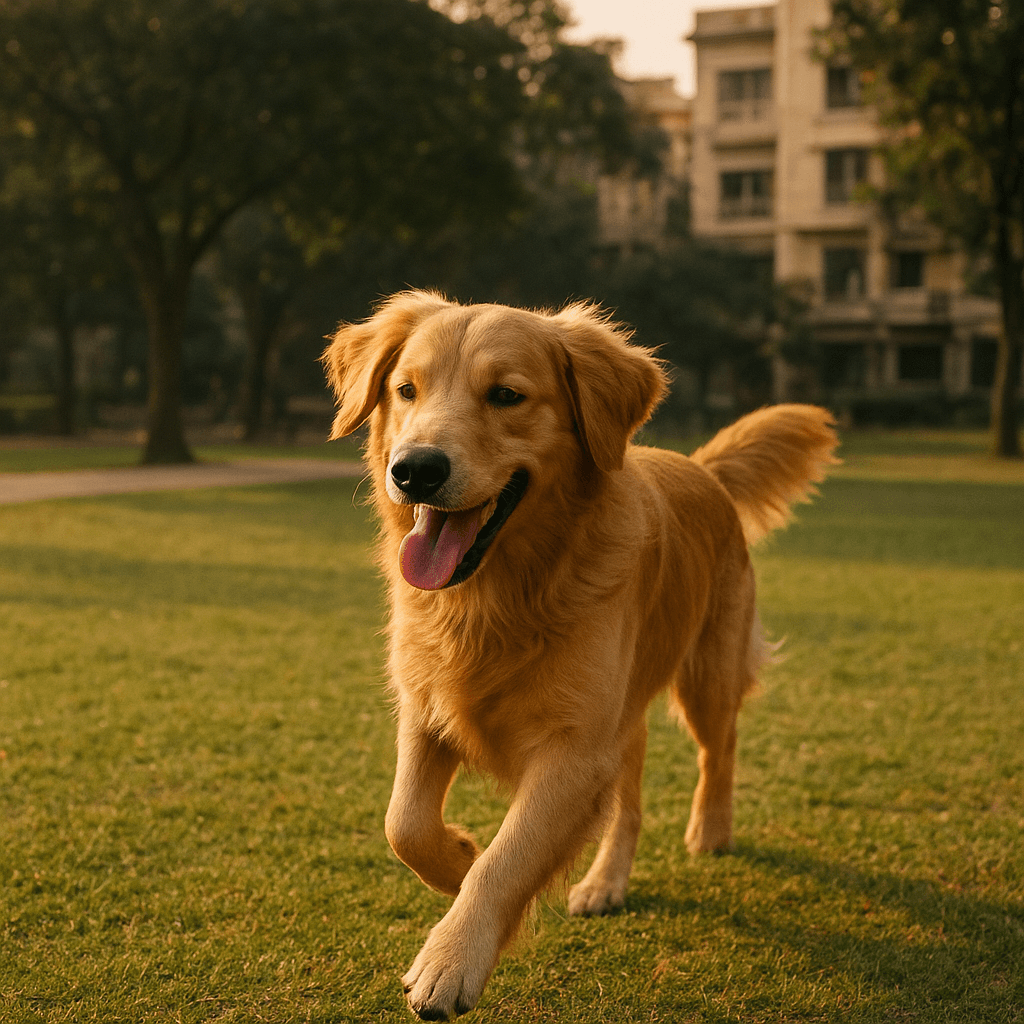
Shih Tzus and Poodles face a different mechanism entirely. Hair grows inside their ear canals rather than stopping at the entrance, trapping wax, debris, and moisture. Professional ear hair plucking by a groomer every 4-6 weeks (Rs 150-400 at Indian pet salons) is the primary preventive measure for these breeds. Golden Retrievers carry medium-high risk, similar to Labradors but with longer ear hair adding moisture retention. They're increasingly popular in Bangalore, Pune, and Delhi, and need weekly ear checks during monsoon season.
German Shepherds and Indian Pariah Dogs sit at the lower end of the risk spectrum. GSDs have large, upright ears with good airflow, though hypothyroidism in older GSDs does increase susceptibility via hormonal changes affecting skin health. Indian Pariah Dogs (INDogs) carry the lowest risk of any common Indian dog: thousands of years of natural selection in the subcontinent have produced a dog with medium-upright ears, a hardy skin microbiome, and strong immunity to local pathogens. INDogs rarely develop ear infections unless severely immunocompromised.
For more on vomiting india — causes, home, see our vomiting india — causes, home guide.
Monsoon-Proof Ear Care: Prevention Calendar for Indian Dog Owners
Prevention costs far less than treatment. A structured approach tied to India's seasons keeps most ear infections from developing in the first place.
Year-round baseline: Inspect your dog's ears once weekly. A healthy ear is light pink, dry, has minimal odor, and contains only a small amount of light-tan wax. Any deviation (unusual odor, discharge, redness, or your dog flinching when you touch near the ear base) warrants a vet call within 48 hours.
After every bath: Place a cotton ball loosely at the ear entrance to absorb water during washing, then remove it afterward and apply 3-5 drops of an ear-drying solution like Epi-Otic. Let your dog shake it out naturally. Never insert cotton swabs deep into the canal; you risk packing debris deeper and damaging the delicate canal lining.
Monsoon season (June to September): Increase ear inspections to twice weekly for all breeds. High-risk breeds (Labrador, Cocker Spaniel, Beagle, Shih Tzu, Poodle) need ear cleaning weekly during these months. Keep a dedicated kit accessible at home: cleaning solution, cotton balls, and a small flashlight.
For Shih Tzu and Poodle owners: Schedule professional grooming ear hair plucking every 4-8 weeks. Pet salons in major Indian cities charge Rs 150-400 for this service. Skipping it allows hair to accumulate and become the primary moisture trap for these breeds.
Addressing underlying allergies is the single most effective long-term prevention for recurrent infections. A 12-week elimination diet trial using a novel protein (rabbit, duck, or fish with potato instead of rice) can identify food allergies. Veterinary dermatologists at centers like Cessna Lifeline in Bangalore or veterinary college hospitals in Chennai and Mumbai can guide this process.
For dogs with regular stray contact: Apply a monthly selamectin spot-on (Revolution/Stronghold, Rs 400-800 per vial) to prevent ear mites alongside heartworm and fleas. This is especially critical in urban Indian neighborhoods with high stray dog populations, where Otodectes cynotis transmission risk is highest.
For more on summer care — beat heat, see our summer care — beat heat guide.
Frequently Asked Questions
How do I tell if my dog has a yeast ear infection versus a bacterial one?
The discharge appearance and odor give strong clues. Yeast infections caused by Malassezia pachydermatis produce a dark brown, waxy, greasy discharge with a sweet, musty, bread-like smell. Bacterial infections from Staphylococcus produce yellowish to creamy pus with a more pungent odor. Pseudomonas bacterial infections (the most severe type) create a yellow-green, foul-smelling discharge. Ear mites leave dark coffee-ground granules in the canal. That said, accurate identification requires ear cytology at your vet, which costs Rs 200-800 depending on city. Guessing at home and buying the wrong drops wastes time and can allow the infection to worsen significantly.
Are dog ear infections more common during India's monsoon season?
Yes, significantly. Coastal Indian cities like Mumbai, Chennai, Kochi, and Kolkata see monsoon-season humidity hit 80-95%, creating the warm, moist environment that bacteria and yeast need to proliferate in the ear canal. Monsoon flooding also creates contaminated standing water in parks and lanes where dogs play, and that water enters ear canals easily during June-September. Veterinary clinics across India report measurably higher ear infection presentations during the monsoon months. Increasing ear inspections to twice weekly during this period and drying ears thoroughly after every outdoor activity are the two most effective countermeasures for Indian dog owners.
Can I treat my dog's ear infection at home without seeing a vet?
Home care is only appropriate for very mild, early-stage cases where there's no discharge, pain, or odor, just slight redness. Diluted apple cider vinegar has some antifungal properties but is irritating to inflamed or broken skin and should never be used if there's any redness or discharge visible. The core problem with home treatment is misidentification: treating a Pseudomonas bacterial infection with a yeast remedy, or treating ear mites with antibiotics, delays proper care and allows the infection to progress into the middle ear. If your dog has been scratching for more than 2-3 days or you can see any discharge, see a vet. Ear cytology (Rs 200-800) gives you the right diagnosis and the right treatment the first time, saving money overall.
Why does my dog keep getting ear infections even after treatment?
Recurring ear infections almost always have an underlying cause that isn't being addressed. According to Cornell University College of Veterinary Medicine, approximately 50% of dogs with chronic or recurrent ear infections have an underlying food or environmental allergy. In India, common food triggers include chicken, beef, wheat, and dairy. Other root causes include floppy ear anatomy (Cocker Spaniels, Beagles), hair growing inside the ear canal (Shih Tzus, Poodles), or stopping antibiotic and antifungal drops before completing the full prescribed course. If your dog has had two or more ear infections within 12 months, ask your vet about an elimination diet trial, allergy testing, or referral to a veterinary dermatologist.
Which dog breeds have the lowest ear infection risk in India?
Indian Pariah Dogs (INDogs) carry the lowest ear infection risk of any common dog breed in India. Thousands of years of natural selection in the subcontinent produced a dog with medium-upright ears that allow good airflow, a hardy skin microbiome, and strong immunity to local pathogens. German Shepherds also have relatively low risk due to their large, upright ears. On the high-risk end, Cocker Spaniels are 4-5 times more likely to develop otitis externa than erect-eared breeds. Labrador Retrievers, Beagles, Shih Tzus, Poodles, and Golden Retrievers all carry elevated risk in India's humid climate and need more frequent ear maintenance.