Key Takeaways
- Most adult dogs with mild diarrhea respond to 12-24 hours of fasting plus a bland diet of boiled rice and chicken: improvement typically shows within 48 hours
- Blood in stool, vomiting alongside diarrhea, or symptoms lasting beyond 24 hours in puppies are emergencies: call your vet, not Dr. Google
- Monsoon season (June–September) is peak diarrhea season in Indian cities because contaminated puddles and deteriorating water quality sharply raise pathogen exposure
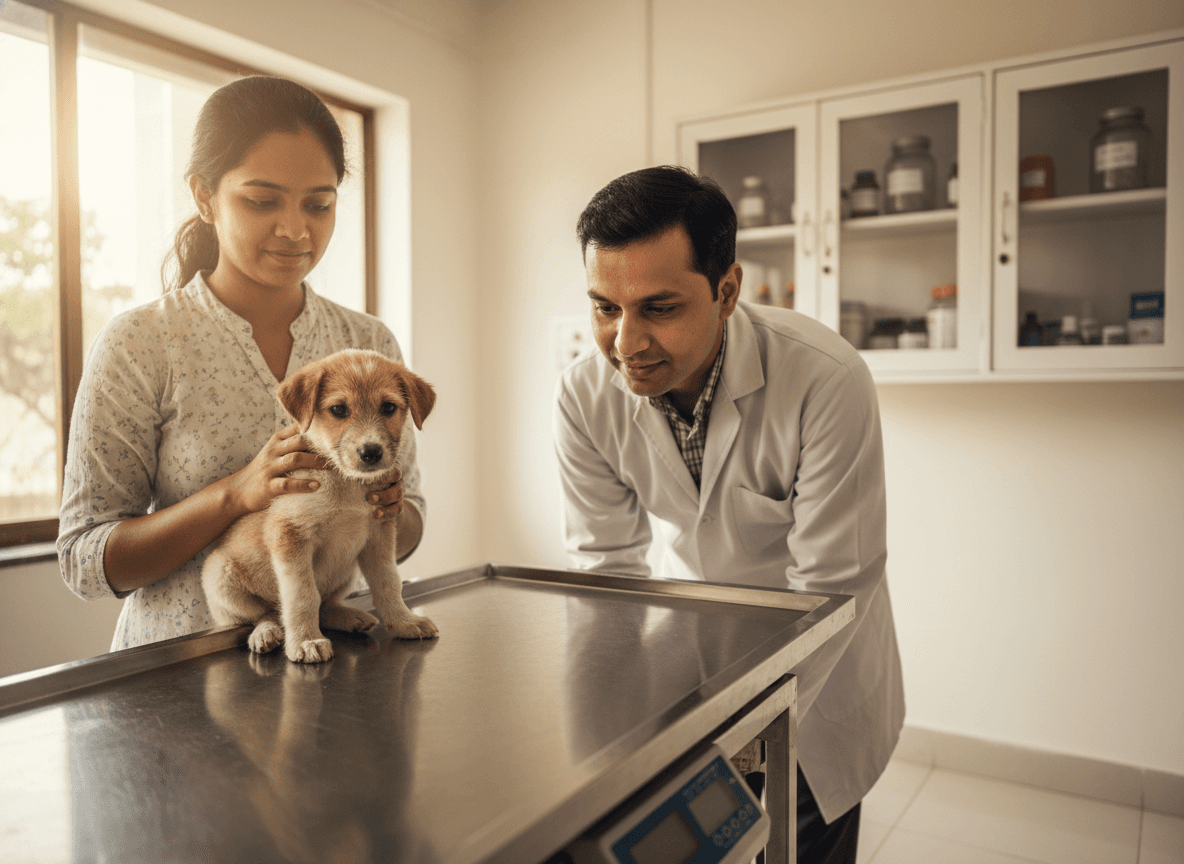
- Vet consultation costs range from ₹300–₹600 at government hospitals to ₹600–₹1,200 at private clinics in metro cities like Mumbai, Bangalore, and Delhi
- Plain curd (dahi) is vet-validated as a probiotic source for mild cases: it contains Lactobacillus strains that help restore gut flora
My 2 AM Wake-Up Call with a Sick Dog
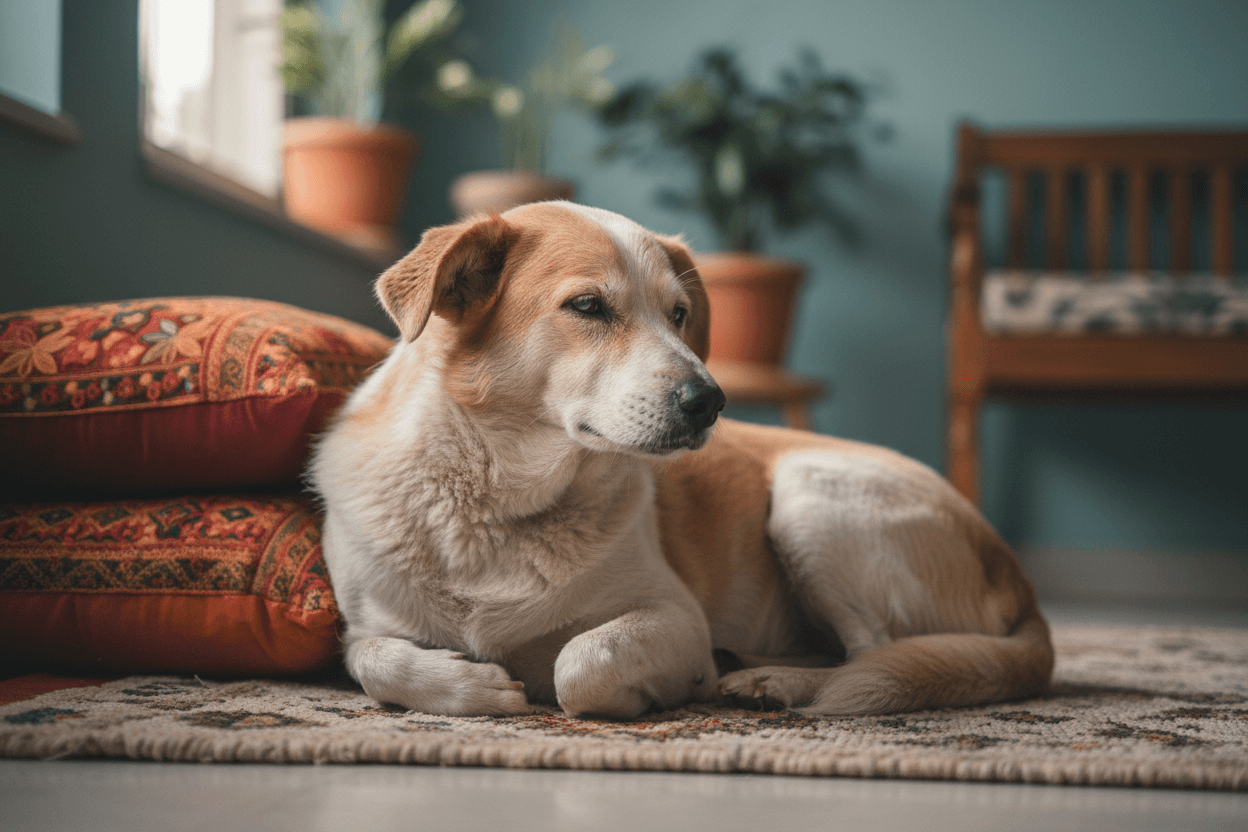
My Indie mix Kavi once woke me at 2 AM with that urgent whine. By the time I stumbled to the kitchen, there were three accidents to clean up and a miserable dog sitting in the corner staring at me like it was somehow my fault.
I live in Chennai, and in the 6 years I've had dogs here, diarrhea has come up more times than I'd like. The June monsoon, street food within sniffing distance, water that sometimes smells faintly wrong: it's just the reality of keeping dogs in Indian conditions.
The good news: most cases are not emergencies. According to the Cornell University College of Veterinary Medicine, the majority of acute diarrhea episodes in dogs resolve with simple supportive care at home: fasting, bland diet, and hydration. The hard part is knowing which cases do need a vet.
Why Dogs in India Get Diarrhea More Often
Dietary indiscretion is the most common culprit everywhere in the world. Dogs eat garbage, steal from the kitchen counter, or find something mysterious on a walk. In India, that risk is amplified because street food, open bins, and shared outdoor spaces are part of daily life in most neighbourhoods.
Water quality is a specifically Indian problem. During the monsoon, sewage overflow contaminates streets, puddles, and sometimes tap water. Dogs that drink from puddles or lick their paws after walks in waterlogged areas are at much higher risk of bacterial gastroenteritis.
Parasites are another reality. Giardia, roundworms, and hookworms are significantly more prevalent in India than in Western countries because of the high street dog population and shared outdoor spaces. According to CDC data on Giardia, Giardia cysts are particularly hardy in cool, wet environments: exactly the conditions during and after monsoon. Regular deworming (every 3 months for adult dogs) makes a real difference.
Parvovirus deserves special mention for puppy owners. India's humid climate helps the virus survive longer outside a host, and the monsoon season sees case numbers climb sharply. An unvaccinated puppy with bloody diarrhea and vomiting is a parvo emergency: mortality without treatment approaches 80–90% within 48–72 hours, according to Vetic's clinical guide.
Seasonal Tip
**Seasonal risk in Indian cities:** Summer (March–June): heat stress raises GI distress; Monsoon (June–September): waterborne bacteria peak, puddles become contamination hotspots, parvo cases rise; Winter (December–February): generally lower risk, though festival scraps and sweets cause occasional digestive upsets.
The First Thing You Should (and Shouldn't) Do
Stop feeding. That's the first step. Give an adult dog's gut 12–24 hours to rest completely. No food, but water stays available at all times: dehydration is the main danger with diarrhea.
Don't give milk. This is a common instinct in Indian households, and it will make things worse. Roughly 60% of adult dogs in India produce insufficient lactase to digest lactose properly. Milk during a GI upset adds to the inflammation rather than soothing it.
Don't reach for Imodium or Pepto-Bismol from your own medicine cabinet. Bismuth subsalicylate (the active ingredient in Pepto-Bismol) is toxic to dogs at certain doses. Human anti-diarrheal medications are not safe for dogs without vet guidance.
Warning
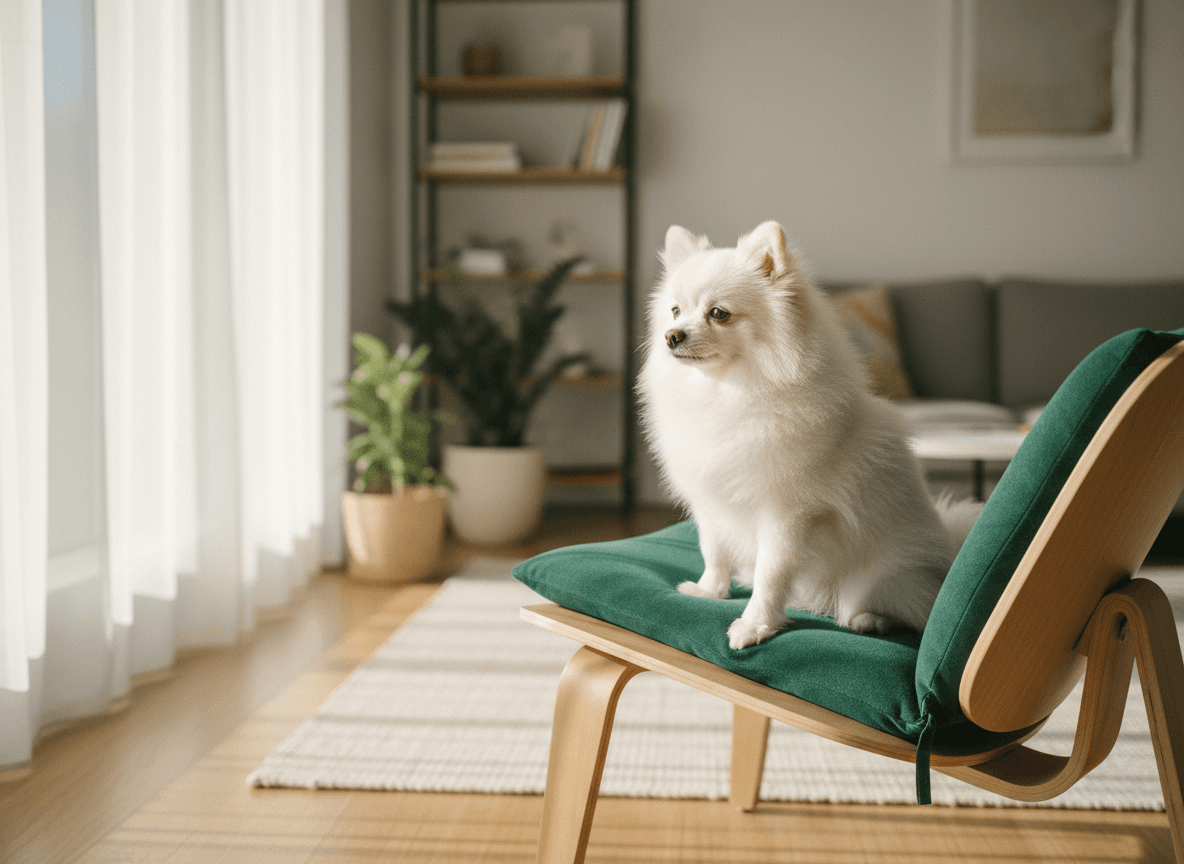
**Puppies under 6 months: different rules entirely.** A puppy with diarrhea lasting more than a few hours needs a vet call, not a wait-and-see. Puppies dehydrate much faster than adult dogs and can reach critical condition within 12–18 hours. If there's any vomiting alongside the diarrhea, treat it as an emergency.
Home Remedies That Actually Work
After the fasting period, reintroduce food gradually with a bland diet. The Cornell Veterinary College recommends boiled chicken or lean protein with white rice as the standard bland diet for mild acute cases: it's easily digestible and gives the gut time to recover without additional stress.
DodoDoggy Tip
**Rice water:** Boil 1 cup of rice in 4 cups of water for 20 minutes. Strain out the rice. Cool the starchy water to room temperature. For a 10–15 kg dog (like a medium Indie), offer about ½ cup every 2–3 hours. The starch coats the intestinal lining and helps slow fluid loss.
Nutrition Note
**Plain curd (dahi) as a probiotic:** Plain, unsweetened curd contains Lactobacillus strains that help restore gut bacteria after a bout of diarrhea. Research from the Cornell College of Veterinary Medicine on probiotics confirms probiotics are a well-supported therapy for GI upset. Give 2–3 tablespoons for small dogs (under 10 kg), up to half a cup for large breeds. Mix it into plain boiled rice once you start reintroducing food on day 2.
Money Saver
**ORS packets for hydration:** Oral rehydration solution (ORS) sachets from any chemist: Electral is common across India: can be diluted 50-50 with water and offered in small amounts alongside water. Cost is about ₹12–₹20 per sachet. This is especially useful for smaller breeds prone to faster dehydration.
The Bland Diet Transition: Days 1–5
- Day 0–1: Complete fast from food. Water and ORS available freely.
- Day 1–2: Introduce rice water (½ to 1 cup every 2–3 hours depending on dog size). Add plain curd if stools are improving.
- Day 2–3: Small portions of boiled plain rice with boiled chicken breast (no skin, no salt). Feed 4–5 small meals instead of 2 large ones.
- Day 3–5: Gradually mix increasing amounts of regular food back into the bland diet: 25% regular to 75% bland, then 50-50, then back to normal.
The cost of the bland diet in Chennai or Bangalore: roughly ₹50–₹80 per day for a medium-sized dog, depending on how much chicken you use. That compares very favourably with the vet bill if diarrhea drags on untreated.
If your dog uses a probiotic supplement regularly, continue it during this period. The research on dog gut health and probiotics from NIH/PMC shows that Lactobacillus and Bifidobacterium strains support faster recovery from GI upset: plain curd provides these strains naturally if you don't have a commercial supplement on hand. Also see our guide on dog gut health signs and solutions for longer-term probiotic strategies.
When to Worry: Symptoms That Require Immediate Vet Care
Knowing this list is the most practically important thing in this entire article. Diarrhea itself is a symptom, not a diagnosis. These accompanying signs tell you when you're dealing with something that needs professional intervention: not another day of rice water.
Vet Alert
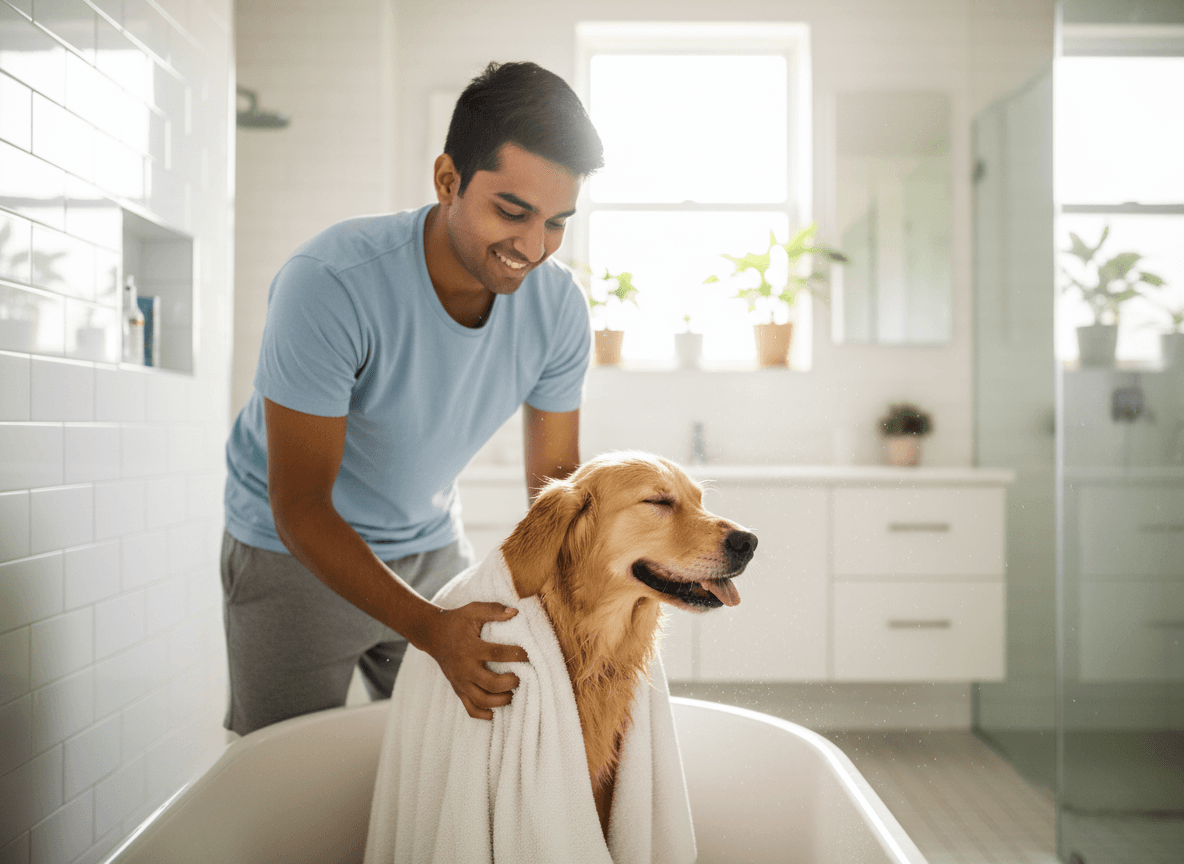
**EMERGENCY: Blood in the stool:** Bright red blood (hematochezia) means active bleeding in the lower intestine. Dark, tarry black stool (melena) means digested blood from the upper GI tract. Either one requires a vet call within the next few hours. Do not wait overnight.
- Dehydration signs: Do the skin tent test: gently pinch the skin on the back of the neck. It should snap back in under a second. Slow return, dry gums, sunken eyes, or refusal to drink for 12+ hours all indicate dangerous dehydration.
- Vomiting + diarrhea together: Losing fluids from both ends simultaneously is a vet-within-12-hours situation. The combination causes dehydration far faster than either alone.
- Lethargy beyond normal rest: A dog that's listless, won't get up to greet you, or shows unusual weakness alongside diarrhea has a high probability of systemic illness rather than simple dietary upset.
- Duration cutoffs: Puppies: more than a few hours of diarrhea warrants a call. Adult dogs: 24 hours without improvement, or 48 hours total even if improving, means you need a vet visit.
For more on recognizing serious health emergencies, the dog vomiting causes guide on this site covers overlapping symptoms in detail.
Vet Costs for Dog Diarrhea in India: What to Budget
The gap between government and private vet costs in India is enormous. It's worth knowing before you go.
Typical vet costs for dog diarrhea treatment across India (2025–2026 estimates). Metro private clinic fees are based on data from HDFC ERGO's dog vet cost guide and Vetic's published rate cards.
| Treatment / Service | Cost Range (INR) |
|---|---|
| Government hospital consultation | ₹50–₹200 |
| Private clinic consultation (small city) | ₹300–₹600 |
| Private clinic consultation (metro: Mumbai, Delhi, Bangalore) | ₹600–₹1,200 |
| Stool test for parasites/giardia | ₹300–₹800 |
| Basic blood work (CBC) | ₹800–₹1,500 |
| Metronidazole course (5–7 days) | ₹150–₹400 |
| IV fluids (per day, hospitalised) | ₹1,500–₹5,000 |
| Parvo treatment (full hospitalisation) | ₹8,000–₹30,000+ |
For a complete breakdown of vet fees across procedures and cities, the vet costs India 2026 price guide has more detail.
Monsoon-Specific Prevention: What I Do in Chennai Every June
June to September is genuinely different. Once the first rains hit and the streets start flooding, my dogs go onto boiled and filtered water exclusively. Tap water in Chennai during heavy monsoon can carry bacterial contamination that would normally not be an issue.
Paw wipes after every walk. Not optional during the rainy season. Dogs instinctively lick their paws, and waterlogged streets in Indian cities carry giardia cysts, E. coli, and worse. A quick wipe with a damp cloth before they come inside cuts exposure significantly.
Deworming on schedule. Every 3 months for adult dogs is the standard recommendation from Indian vets: more frequently for dogs with outdoor access or in areas with high street dog populations. Giardia in particular spreads easily during monsoon because the cysts survive longer in cool, wet conditions, per CDC guidance on Giardia and pets.
Also check your dog's vaccination status before monsoon hits. Parvovirus cases climb every year in India during June–September. If your puppy's vaccination schedule is incomplete, they should not visit parks, kennels, or areas with high dog traffic until fully vaccinated. The dog vaccination schedule India guide has the full puppy immunisation timeline.
For broader monsoon health protection, monsoon pet care India covers everything from skin infections to leptospirosis, which is another waterborne monsoon risk for Indian dogs.
Common Mistakes Indian Dog Owners Make
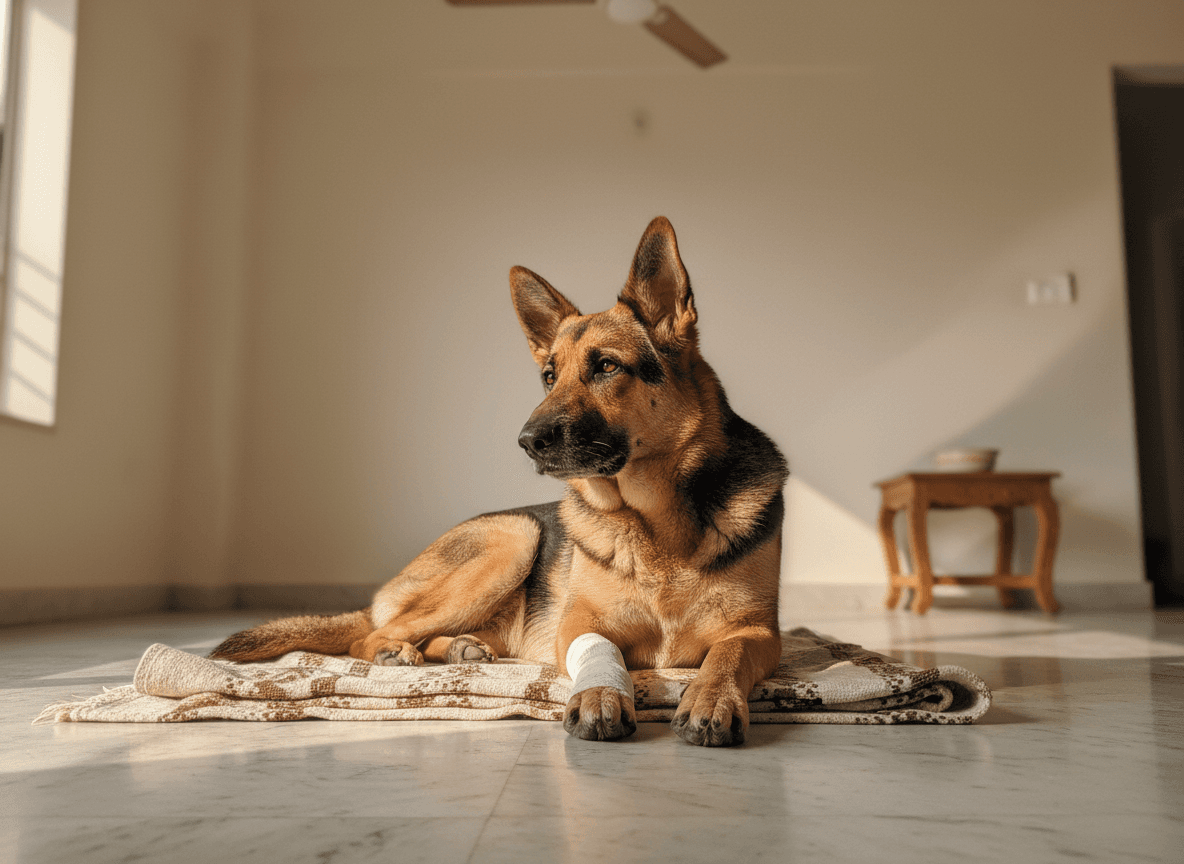
Giving milk when the dog looks weak: the comfort instinct is understandable, but most adult Indian dogs are lactose-intolerant enough that milk actively worsens diarrhea rather than calming it.
Waiting too long with puppies. A healthy adult dog can handle 24–48 hours of mild diarrhea at home. A 10-week-old puppy cannot. The physiology is completely different: puppies have lower fluid reserves and deteriorate much faster.
Stopping antibiotics or dewormers early because the dog seems better. If a vet has prescribed metronidazole for giardia or a bacterial infection, the full course is necessary. Stopping midway is how resistant infections develop.
Feeding 'just a little' regular food on day 1 because the dog is begging. They will always beg. Don't break the bland diet protocol early: you'll restart the cycle.
If your dog has repeated diarrhea episodes despite a stable diet, it's worth discussing food allergies with your vet. The dog food allergies India guide covers elimination diet protocols and the most common allergens in dogs on Indian commercial diets.
FAQ: Dog Diarrhea Questions from Indian Pet Owners
When to Use Which Treatment
Not all diarrhea is the same, and the right response depends on the cause.
Decision table for common causes of dog diarrhea in India
| Cause | Home Treatment OK? | Vet Needed? |
|---|---|---|
| Ate something unusual (dietary indiscretion) | Yes: fast + bland diet | Only if no improvement in 48 hrs |
| Sudden food brand change | Yes: slow reintroduction | Rarely |
| Giardia / roundworms | No | Yes: needs deworming prescription |
| Bacterial infection (waterborne) | Supportive care only | Yes: stool test + likely antibiotics |
| Parvovirus (puppies) | No | Emergency: immediately |
| Food allergy / intolerance | Elimination diet | Yes: for diagnosis |
Final Thoughts
Kavi fully recovered from that 2 AM episode in about 36 hours on rice water, curd, and boiled chicken. Turned out she'd raided the neighbour's compost bin during the evening walk. Classic dietary indiscretion.
The ability to tell the difference between 'wait and monitor' and 'vet now' is the actual skill here. Most episodes are dietary. Some are parasitic. A few are emergencies. The symptoms list above is what separates them.
If you're managing a dog with recurring digestive problems, look at the common dog health problems India guide for a broader picture of what's worth investigating versus what resolves on its own. And for monsoon season specifically, bookmark the monsoon health issues dogs India guide: it covers leptospirosis and fungal skin issues alongside GI problems.
You'll find good options like GV Pets & Clinic in KK Nagar West, Virugambakkam — rated 4.7/5. Check our pet stores in Chennai directory for more choices near you.
You'll find good options like Heads Up For Tails Pet Store - Orion Mall, Bengaluru in West, Malleshwaram — rated 5.0/5. Check our pet stores in Bengaluru directory for more choices near you.