Key Takeaways
- Chocolate, onions, garlic, grapes, and xylitol found in Indian sugar-free products are all potentially fatal — even small quantities
- Oleander (kaner), Sago Palm, Datura, and Castor Bean are common in Indian gardens and can kill within hours
- Street poisoning using organophosphates and rat poison accounts for a significant share of emergency vet visits in Indian cities
- The first two hours after ingestion are critical — call your vet before doing anything else, including inducing vomiting
- Emergency treatment costs range from ₹2,000 for mild outpatient cases to ₹60,000+ for severe poisoning requiring ICU care
- Prevention is 100% achievable: lock kitchens, remove toxic plants, leash on walks, and save your emergency vet number now

The Indian Kitchen: Where Most Poisoning Starts
My neighbour in Pune lost her Labrador to onion toxicity last monsoon. The dog had eaten leftover sabzi from the kitchen floor — the kind of thing that happens in every Indian home. She had no idea onions were dangerous until it was too late.
Indian cooking uses onions and garlic in almost every dish. Rice, dhal, sabzi, biryani — all of it is off-limits for dogs. But the kitchen hazards go beyond just these two. Here's what you genuinely need to watch for.
Warning
**Onions and Garlic (Pyaz, Lahsun):** All forms are toxic — raw, cooked, powdered, and dried. They contain thiosulfate compounds that destroy red blood cells, causing hemolytic anemia. A 10 kg dog eating roughly 150 g of onion (one medium onion) can develop severe anemia within 1–3 days. Symptoms are delayed: watch for weakness, pale or yellowish gums, reddish-brown urine, rapid breathing, and collapse. According to ASPCA Poison Control, garlic is 3–5 times more potent than onion by weight. The sneaky danger: dried garlic and onion powders commonly used in Indian masalas are the most concentrated forms.
Vet Alert
**Dark Chocolate and Cocoa:** Contains theobromine, which dogs cannot metabolize. Dark chocolate carries approximately 450 mg theobromine per 28 g. Milk chocolate has less (60 mg per 28 g), but it's still dangerous for small breeds. A 5 kg Pomeranian or Shih Tzu can show toxic symptoms from just 15–20 g of dark chocolate. During Diwali and Christmas season in Indian metros, chocolate poisoning calls to emergency vet clinics spike noticeably. Symptoms appear within 2–4 hours: vomiting, diarrhea, restlessness, rapid heart rate, muscle tremors, seizures.
Warning
**Grapes and Raisins (Kishmish, Angoor):** Cause acute kidney failure — and the toxic dose is completely unpredictable. Some dogs survive eating a bunch of grapes; others go into kidney failure from four or five. No safe minimum exists. Kishmish is widely used in Indian sweets, kheer, and biryani. Symptoms start 12–24 hours after ingestion: vomiting, lethargy, reduced urination. Without IV fluids for 48+ hours, kidney damage can be permanent. Treatment cost at a city hospital: ₹8,000–₹25,000.
Safety First
**Xylitol in Sugar-Free Products:** This is the one most Indian dog owners don't know about. Xylitol is used in sugar-free gum, diabetic mithai, some peanut butters, and chewable vitamins. According to the Merck Veterinary Manual, doses above 100 mg per kg body weight cause severe hypoglycemia in dogs within 30 minutes. Doses above 500 mg per kg can cause liver failure. A single stick of xylitol gum can be dangerous for a small dog. Symptoms: sudden vomiting, weakness, seizures, collapse. This is an extreme emergency — time to treatment directly affects survival.
A few more Indian kitchen items worth knowing about: cooked chicken bones splinter and can perforate the intestine — a habit of feeding leftover chicken kills dogs every year. Tea and coffee both contain caffeine that causes the same kind of toxicity as chocolate. Raw bread or pizza dough expands in a warm stomach and the fermenting yeast produces alcohol, creating a dual threat of bloat and intoxication.
Nutrition Note
**Safe Indian Foods for Dogs:** Plain boiled rice, plain dahi (curd), boiled chicken with no bones, pumpkin, sweet potato (boiled), carrots, green beans, apples (remove seeds), bananas, watermelon (no seeds), plain chapati in small amounts. These are genuinely safe and many Indian dogs thrive on home-cooked meals built around these ingredients.

Poisonous Plants in Indian Gardens and Homes
Three plants kill more dogs in India than almost anything else: oleander, sago palm, and datura. All three are extraordinarily common. Two of them are decorative. One is considered sacred.
Warning
**Oleander / Kaner (Nerium oleander):** Planted along roadsides, in housing society gardens, and in home courtyards across India for its bright flowers. Every single part is toxic — leaves, flowers, stems, roots, even the water in a vase containing cut oleander stems. The toxin is oleandrin, a cardiac glycoside that disrupts heart rhythm. According to research published in PMC (Acute Cardiac Toxicity of Nerium oleander), approximately 4 grams of oleander leaves can be fatal. Symptoms in dogs appear within 2–4 hours: vomiting, bloody diarrhea, abnormal heart rate, cardiac arrest. Treatment requires digoxin-specific antibody fragments (Digibind), cardiac monitoring, and typically 3–5 days of hospitalization. Cost: ₹15,000–₹45,000. Do not plant oleander anywhere a dog can access.
Warning
**Sago Palm / Cycas (Cycas revoluta):** A popular ornamental plant sold at garden centres across Mumbai, Bangalore, Hyderabad, and Delhi. All parts are toxic, but the seeds are the most dangerous. The toxin cycasin causes liver failure within 24–48 hours. According to ASPCA Poison Control data, even with aggressive treatment, the survival rate for sago palm ingestion in dogs is only around 50%. Symptoms begin with vomiting and diarrhea, then progress to seizures, jaundice, and liver failure. Treatment requires intensive decontamination, IV liver-support therapy, and 3–5 days of hospitalisation. Cost: ₹15,000–₹50,000. If you own a sago palm, rehome it.
Warning
**Datura / Dhatura (Datura stramonium):** Found wild in vacant plots, railway margins, and rural areas across India. It's also used in religious contexts and sometimes deliberately placed to poison street dogs or pets in areas with human-animal conflict. Datura contains atropine alkaloids causing hallucinations, seizures, dangerously elevated heart rate, and coma. Street dogs in Chennai, Kolkata, and Lucknow have been reported poisoned using datura-laced food. Treatment: IV atropine reversal agents, sedation, close monitoring. Cost: ₹5,000–₹15,000.
Toxic Plants Commonly Found in Indian Homes and Gardens
| Plant (Common/Hindi Name) | Risk Level | Key Symptoms |
|---|---|---|
| Oleander / Kaner | EXTREME — fatal | Vomiting, cardiac arrhythmia, arrest |
| Sago Palm / Cycas | EXTREME — 50% fatal even treated | Liver failure, seizures, jaundice |
| Datura / Dhatura | EXTREME | Hallucinations, seizures, coma |
| Castor Bean / Arandi | EXTREME — ricin toxin | Vomiting, seizures, death |
| Dieffenbachia / Dumb Cane | HIGH — airway risk | Oral swelling, drooling, choking |
| Gloriosa Lily | HIGH — kidney/liver | Vomiting, diarrhea, organ failure |
| Areca Nut Palm / Supari | MODERATE–HIGH | Tremors, weakness, seizures |
| English Ivy | MODERATE | Vomiting, diarrhea, abdominal pain |

Street Poisoning: The Reality Across Indian Cities
This is the part of the guide most international pet care resources don't cover. In India, deliberate poisoning of dogs — both street dogs and pets — is a real and recurring problem in many cities.
The poisons most commonly used are organophosphate pesticides (readily available agricultural chemicals), anticoagulant rat poison, strychnine, and datura-laced food. Organophosphates are particularly dangerous because they're widely accessible and act fast. Research from PMC on organophosphate poisoning in southern India notes that Andhra Pradesh and Tamil Nadu record some of India's highest pesticide poisoning incidents — and the same compounds used on crops end up in poisoned bait.
Warning
**Recognising Street Poisoning by Type:** Rat poison (anticoagulant rodenticides): bleeding from nose, gums, or rectum, bruising under skin, extreme lethargy — symptoms may appear 3–5 days after ingestion. Organophosphates: excessive salivation, muscle twitching, pinpoint pupils, seizures, respiratory distress — rapid onset within 30–60 minutes. Strychnine: violent, painful muscle spasms triggered by sound or touch, rigid extension of all limbs. Datura: dilated pupils, elevated heart rate, confusion, seizures.
Prevention on walks is straightforward but requires consistent effort. Leash your dog every single time. Train a solid 'leave it' command — practise it with high-value treats like boiled chicken before relying on it outdoors. Never let your dog sniff food on the ground, especially near garbage bins, drains, or open plots. Report any suspicious baiting to your local animal welfare organisation or municipal corporation. In Chennai and Mumbai specifically, RWAs (Resident Welfare Associations) have started maintaining poisoning incident logs — worth connecting with if you live in an apartment complex.
Emergency Response: What to Do in the First 30 Minutes
Speed matters more than anything else here. The difference between a dog that survives and one that doesn't often comes down to how quickly decontamination happens — especially for xylitol (30-minute hypoglycemia window), organophosphates, and certain cardiac glycosides.
Vet Alert
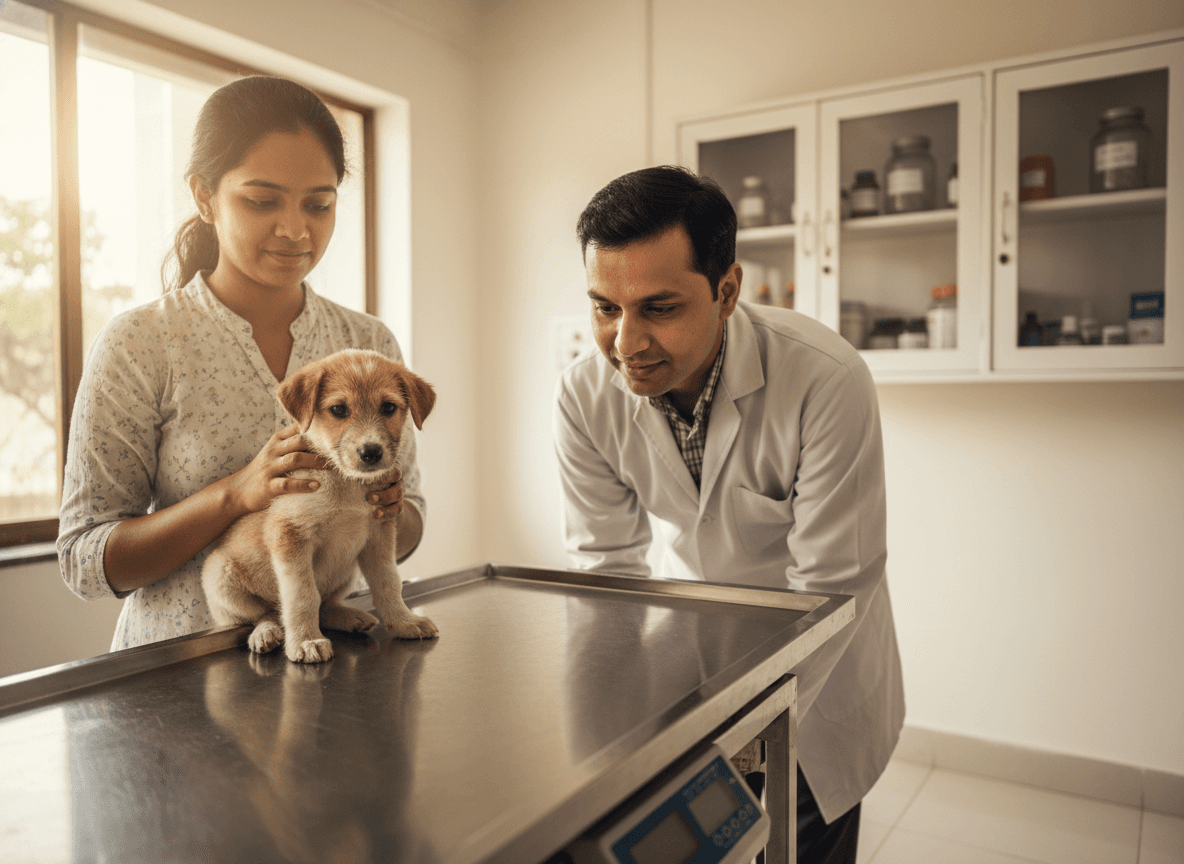
**Step 1 — Call Your Vet Before Anything Else:** Do this before Googling, before panicking, before trying anything at home. Tell them: what your dog ate or was exposed to, how much (estimate), exactly when, and your dog's current weight. Most emergency vet clinics in Indian cities — Vetic (Delhi, Mumbai, Bangalore, Hyderabad, Pune), Cessna Lifeline (Bangalore), Small Animal Hospital (Mumbai), DCC Animal Hospital (Delhi) — have 24/7 emergency lines. Save the number in your phone now.
Warning
**Step 2 — Do NOT Induce Vomiting Without Vet Approval:** This is the most important don't. Never induce vomiting if your dog swallowed a caustic substance (cleaning chemicals, acids), petroleum products, is unconscious, is having seizures, or is already vomiting. Inducing vomiting in these cases causes more damage. If the vet instructs it and ingestion was within 2 hours, the standard method is 3% hydrogen peroxide at 1 teaspoon per 5 kg body weight, maximum 3 tablespoons. Vomiting should occur within 15 minutes. Then go straight to the clinic regardless.
Vet Alert
**Step 3 — Go to the Clinic Immediately:** Don't wait for symptoms to show. With grape toxicity, kidney damage can begin before the dog shows any signs. Bring: the packaging or a photo of what they ate, a vomit sample if available (unpleasant but useful for diagnosis), and your dog's vaccination records. Call ahead so the team can prepare.
One practical note for dog owners in smaller cities: if you're in a tier-2 or tier-3 city without a 24/7 emergency clinic, identify your nearest option before an emergency happens. Cities like Coimbatore, Nagpur, Jaipur, and Lucknow all have specialist vet hospitals now, but you need to know the address before you need it urgently at 2 AM.

Veterinary Treatment and Costs in India
Poisoning treatment costs vary dramatically based on what was ingested, how quickly treatment started, and which city you're in. Metro clinics in Mumbai, Delhi, and Bangalore charge more than tier-2 cities. Here's what to realistically expect.
Dog Poisoning Treatment Costs in India (2026 estimates)
| Treatment Component | Cost Range (INR) |
|---|---|
| Emergency consultation | ₹1,000 – ₹2,500 |
| Decontamination (emesis + activated charcoal) | ₹800 – ₹2,000 |
| IV fluid therapy (24–48 hours) | ₹2,000 – ₹5,000 |
| Blood work (liver, kidney, CBC) | ₹1,500 – ₹4,000 |
| Medications and antidotes | ₹1,000 – ₹8,000 |
| Overnight hospitalisation (per night) | ₹1,500 – ₹5,000 |
| Intensive care / specialised treatment | ₹20,000 – ₹60,000+ |
Money Saver
**Total Cost by Severity:** Mild poisoning treated early as outpatient: ₹2,000–₹5,000. Moderate poisoning requiring 24–48 hours hospitalisation: ₹8,000–₹20,000. Severe cases (liver failure, cardiac glycosides, ICU): ₹20,000–₹60,000+. Pet insurance from providers like Digit, Bajaj Allianz, or Tata AIG typically covers poisoning treatment — check your policy terms before the emergency happens.

Prevention: Four Systems That Actually Work
Prevention isn't complicated. It requires four consistent habits — kitchen security, garden management, walk discipline, and emergency readiness. Most poisoning incidents happen because one of these four breaks down.
DodoDoggy Tip
**Kitchen Security:** Store chocolate, onions, garlic, grapes, and raisins in closed cabinets your dog cannot open. In most Indian kitchens, floor-level storage is the real risk — steel containers left near the stove, mesh bags hanging at dog-nose height. Use child-proof latches on low cabinets if needed. Brief your house help and any family members who don't know the rules — in many homes, it's a visiting relative or the cook who inadvertently feeds the dog something toxic. Post a laminated toxic foods list on the fridge.
Safety First
**Garden Management:** Walk your garden with a toxicity checklist once. Use Google Lens to identify every plant. Remove oleander, sago palm, datura, and castor bean entirely — don't fence them, remove them. Most nurseries in India sell safer alternatives: hibiscus, marigolds, money plants, and jasmine are all non-toxic to dogs. If you've inherited a housing society with oleander hedges, raise the concern with your RWA — this is genuinely worth pushing for.
Pro Tip
**Walk Discipline:** Leash every time. Practise 'leave it' in the house before testing it on the street. Carry boiled chicken or Drools treats as high-value redirect rewards. Avoid walking near garbage dumps, open drains, or vacant plots — especially in areas where stray dog conflicts have been reported. Early morning and late evening walks have lower risk of encountering poisoned bait than post-midnight hours, which is when bait is typically laid.
DodoDoggy Tip
**Emergency Readiness:** Save your vet's emergency number in your phone under 'DOG EMERGENCY' right now. Know the location of your nearest 24/7 clinic. Keep a bottle of 3% hydrogen peroxide at home — it expires after 6 months, so replace it. Have your dog's weight written down (it changes faster than you think, especially in puppies and seniors). A laminated emergency card with your vet's number, nearest 24/7 clinic, and your dog's weight on your fridge takes five minutes to make and could save your dog's life.
Spotting Poisoning Early: Symptoms That Need Immediate Action
Some poisoning symptoms are obvious. Others look like a stomach upset or a bad day. Knowing which is which matters.
Call your vet immediately — not tomorrow morning, not in a few hours — if you see: sudden vomiting (especially if you know your dog ate something unusual), bloody diarrhea or rectal bleeding, extreme lethargy that's abnormal for your dog, loss of coordination or stumbling, pale blue or white gums instead of normal pink, seizures or muscle tremors, collapse or unresponsiveness, or bleeding from the nose or gums.
Delayed symptoms are particularly dangerous with rat poison — your dog may seem fine for 3–5 days while internal bleeding progresses. With grape toxicity, reduced urination is the first real signal of kidney damage. With onion toxicity, symptoms like pale gums and weakness arrive 24–72 hours after eating. Don't wait for 'obvious' distress. If your dog ate something on the toxic list, call the vet that day.

Festival and Seasonal Risks: When Indian Dogs Face Higher Danger
Two seasons stand out for poisoning risk in India, and they're both connected to food.
During Diwali, homes fill with chocolate boxes, dry fruit mithai (often containing raisins and xylitol in sugar-free versions), and sweets left on low tables during gatherings. Guests don't know the rules. Children feed dogs freely. Emergency vet clinics in Delhi and Mumbai report a 30–40% increase in chocolate and sweet toxicity cases during Diwali week. For more on festival safety, see our guide to Diwali pet safety for dogs.
During monsoon months — June through September — damp conditions bring more garden activity, more mushroom growth on lawns (many varieties are toxic), and more outdoor foraging behaviour in dogs. It's also the season when agricultural pesticide use peaks in suburban and semi-urban areas near the city fringes of Chennai, Hyderabad, and Pune. More pesticide in the environment means higher risk of exposure for dogs on walks in these transitional zones. For a full monsoon health breakdown, see monsoon health issues for dogs in India.
You'll find good options like Delhi dog kennel | puppies for sale in delhi | dog sale in delhi | pet shop near me | poodle puppy | shihzu in Rashid Market, Geeta Colony — rated 5.0/5. Check our pet stores in Delhi directory for more choices near you.
You'll find good options like Dr. Palampalle's Pet Care Clinic in Pratikhsha Nagar, Sion East, Sion — rated 5.0/5. Check our pet stores in Mumbai directory for more choices near you.