Introduction
My Beagle came back from the terrace last Holi looking like a walking rangoli. Pink powder caked around her eyes, green streaks matted into her ears. Within two hours she was retching, her skin was hot to the touch, and I was rushing her to the emergency vet in Koramangala, Bangalore. The bill? Rs 4,200 for IV fluids, activated charcoal, and an antihistamine drip.
That emergency visit taught me something I wish I'd known earlier. A 2022 study published in the Journal of Environmental Health Science and Engineering tested dry Holi color powders sold in Kolkata and found lead levels ranging from 29 to 37 mg/kg across all five colors tested. The FDA safety limit for cosmetics is 20 mg/kg. Every single color exceeded it.
Dogs absorb these chemicals faster than we do. Canine skin pH sits around 7.5 compared to our 5.5, making their skin barrier weaker against alkaline chemical compounds. Pair that with a dog's instinct to lick powder off their fur, and you've got a double exposure route: skin absorption plus ingestion.
This guide breaks down exactly which chemicals hide in Holi colors, what they do to your dog's body, a step-by-step decontamination protocol, and the real treatment costs at Indian vet clinics. I've also included emergency helpline numbers for Delhi-NCR, Mumbai, Pune, and Hyderabad.
Key Takeaways
- All tested Holi color powders exceed FDA lead safety limits by 1.5x to 1.85x, per a peer-reviewed study from Kolkata
- Dogs absorb chemicals through skin faster than humans because canine skin pH (7.5) is more alkaline than human skin pH (5.5)
- Emergency vet treatment for color poisoning runs Rs 1,000 to Rs 5,000 for mild cases, Rs 5,000 to Rs 20,000 for severe ingestion
- Create a sealed safe room 30 minutes before celebrations start, with fresh water, a Kong toy, and curtains drawn
- Even colors marketed as organic or herbal can contain mislabeled synthetic dyes and should never be applied to pets
What Makes Holi Colors Toxic to Dogs
The cheap synthetic gulal packets that vendors sell for Rs 10 to Rs 30 outside every colony gate aren't regulated for chemical content. According to research from the American Chemical Society, these powders derive their brightness from industrial-grade metal compounds never intended for skin contact.
Here's what's actually in those packets:
| Color | Primary Toxic Chemical |
|---|---|
| Red | Mercury sulphite |
| Green | Copper sulphate, malachite green |
| Yellow | Lead oxide (37 mg/kg in Kolkata study) |
| Blue/Violet | Chromium iodide |
| Black | Lead oxide, charcoal dust |
| Silver | Aluminum bromide, ground mica |
That same Kolkata study found endotoxin (bacterial contamination) levels 35 times higher than the dermatological safety limit across all tested colors. Green powder had the worst bacterial load at 2.91 EU/ml against a safe threshold of 0.06 EU/ml.
Malachite green deserves special mention. The US National Library of Medicine classifies it as a multi-organ toxin that targets the liver and thyroid. It's banned in food products across the EU but shows up routinely in Indian Holi powders because enforcement is practically absent.
How Dogs Get Exposed: Three Routes
Skin absorption is the first route. Dogs don't have the acidic skin barrier humans rely on, and chemical exposure often triggers skin diseases that linger for weeks. With a skin pH around 7.5, their epidermis lets alkaline metal compounds pass through more readily. A dog rolling on a terrace floor dusted with gulal absorbs lead and mercury through their belly skin within minutes.
Ingestion is the second and more dangerous route. Dogs groom themselves. Color powder on paws, chest, and muzzle gets licked and swallowed. Copper sulphate ingestion causes immediate vomiting and gastric burns. Lead builds up silently in the kidneys and nervous system over repeated exposures.
Inhalation is the third route, and brachycephalic breeds suffer worst. Pugs, Shih Tzus, and Bulldogs in cities like Delhi and Mumbai already deal with poor air quality. Fine gulal particles lodging in their shortened airways trigger bronchospasm. I've seen a Pug owner in our apartment complex in Indiranagar rush to Cessna Lifeline Vet Hospital after her dog inhaled pink powder thrown by kids in the parking lot.
Symptoms of Color Poisoning in Dogs
Symptoms show up in two waves. The first wave hits within 30 minutes to 2 hours of exposure.
Watch for excessive drooling, repeated pawing at the face, red or swollen skin patches, and watery eyes. My neighbour's Golden Retriever in Whitefield had green streaks on his paws and started vomiting bile within 45 minutes. That's copper sulphate doing its damage.
The second wave takes 6 to 24 hours and signals deeper poisoning. Lethargy, refusal to eat, bloody diarrhoea, difficulty breathing, and in rare cases, seizures. According to DawgieBowl's veterinary advisory, these delayed symptoms point to organ-level toxicity from lead or mercury compounds.
Vet Alert
Puppies under 6 months and senior dogs over 10 years are at highest risk. Their liver and kidneys can't filter heavy metals as efficiently. If you notice tremors, seizures, or collapse, skip the home treatment and drive straight to an emergency vet.
One symptom people miss: excessive thirst. A dog drinking water non-stop after Holi exposure isn't just hot. Their body is trying to flush toxins through the kidneys. Don't restrict water, but do get them to a clinic.
Step-by-Step Decontamination Protocol
Speed matters. The faster you remove color from your dog's body, the less gets absorbed or ingested. Here's the protocol I follow now, based on guidance from Wiggles Vet On Call and confirmed by our vet at DCC Animal Hospital, Delhi.
- Bring the dog indoors immediately. Don't let them shake off dry powder where it becomes airborne.
- Use alcohol-free pet wipes (Basil Pet Wipes with Aloe Vera work well, Rs 249 for 80 sheets at most pet stores) to lift dry color off the face, ears, and paw pads first.
- Flush the eyes with sterile saline solution for 2 to 3 minutes if any color is near the eye area. Tilt the head so runoff drains away from the other eye.
- Run a lukewarm bath (not hot, as hot water opens pores and increases absorption) and use a mild pet-specific shampoo. Avoid human shampoo since human formulas sit at pH 5.5 and can worsen irritation on a dog's pH 7.5 skin.
- For puppies or kittens, skip the full bath. Use a waterless foam shampoo like Basil Dry Foam Shampoo (Rs 399) to avoid cold-stress.
Warning
Never use kerosene, turpentine, or rubbing alcohol to remove Holi colors. These strip the skin's natural oils and cause chemical burns on top of the existing irritation. Coconut oil applied gently can help loosen stubborn color residue from fur.
After the bath, dry thoroughly with a clean towel and check the ears for trapped powder. Color residue inside the ear canal causes fungal infections, especially during March in humid coastal cities like Mumbai and Chennai where moisture accelerates yeast growth.
Creating a Holi-Safe Room for Your Dog
Prevention beats cleanup every single time. I set up our spare bedroom as a Holi safe room 30 minutes before the colour play starts in our Bangalore apartment complex.
Close all windows and draw curtains. Gulal floats through open windows, and I learned this the hard way when pink powder drifted onto my dog's bed from our balcony two floors up. Seal the gap under the door with a rolled towel if it doesn't sit flush.
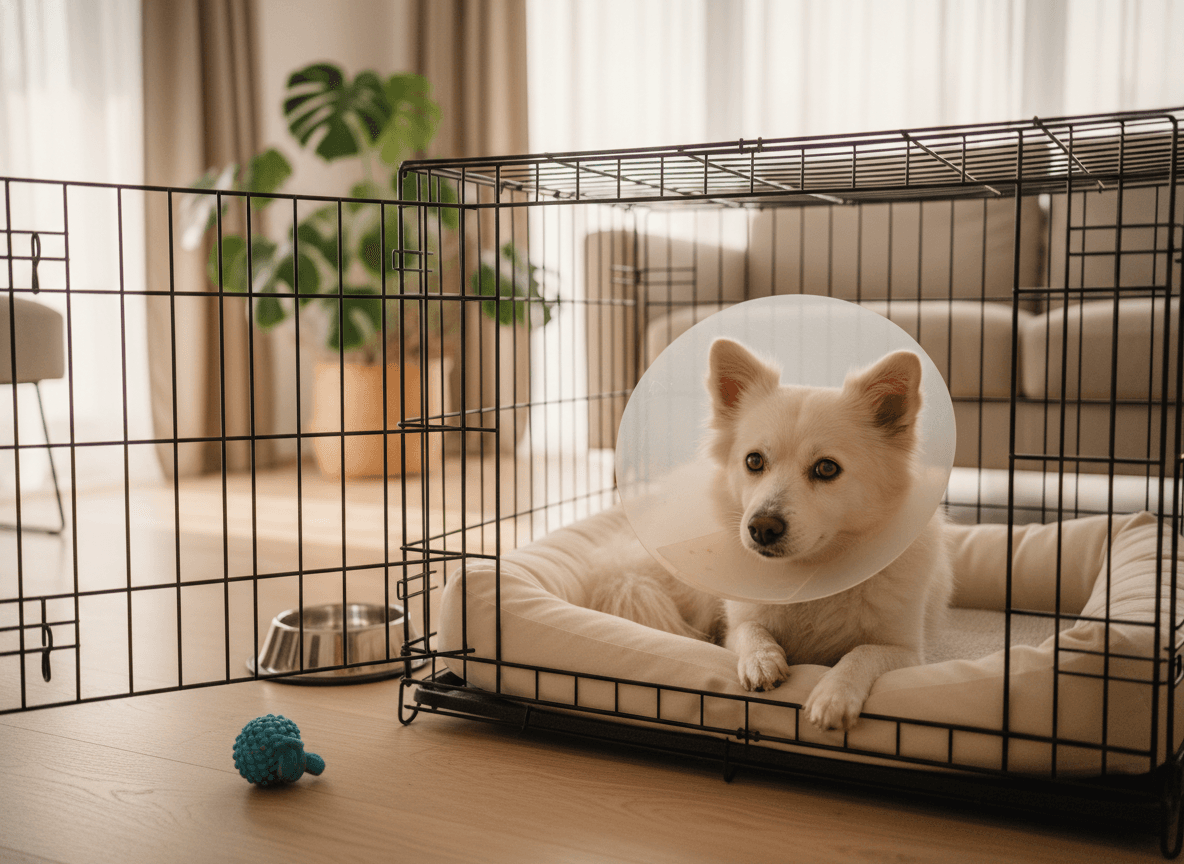
Stock the room with fresh water in a spill-proof bowl, a frozen Kong stuffed with peanut butter (check the label for xylitol, which is lethal to dogs), and their regular bed or crate. Background music or a fan running helps mask the noise of water balloons and shouting from outside.
Walk your dog early, before 7 AM, on Holi morning. Celebrations in most North Indian cities like Delhi, Jaipur, and Lucknow kick off by 9 AM. In South Indian cities, things start a bit later, around 10 to 11 AM, giving you slightly more time. During monsoon season you'd take similar precautions with wet roads. Avoid evening walks entirely since wet color residue stays on roads, park benches, and compound walls well into the night.
Holi Foods That Can Poison Your Dog
Colors aren't the only Holi hazard. The festival spread on every table in India includes foods that are genuinely dangerous for dogs.
Bhang (cannabis-infused drinks and thandai) tops the list. In cities like Varanasi, Mathura, and Delhi, bhang lassi and thandai are everywhere during Holi. THC affects dogs at much lower doses than humans. A 10 kg dog ingesting even a small bowl of thandai can develop disorientation, loss of coordination, hypothermia, and urinary incontinence.
Gujiyas, the fried sweet dumplings filled with khoya and dry fruits, contain raisins in many recipes. Raisins cause acute kidney failure in dogs as covered in our pet poisoning guide. The toxic dose isn't predictable. Some dogs react to just 4 to 5 raisins. Kaju katli and other cashew-based sweets contain high fat content that triggers pancreatitis.
Watch for malpua and jalebi dropped on the floor. The sugar content alone causes gastrointestinal distress, and the oil used for deep frying sits badly in a dog's digestive system. During our 2025 Holi gathering, our Labrador swiped two gujiyas off a low table before anyone noticed. That cost us Rs 1,800 at the vet for anti-emetics and monitoring.
Vet Alert
Xylitol, a sugar substitute found in some sugar-free versions of Holi sweets and chewing gum, is fatal to dogs in small amounts. It triggers a massive insulin spike causing hypoglycemia and liver failure. If your dog eats anything sugar-free, check ingredients immediately and call your vet.
Noise Anxiety: Water Balloons, Music, and Crowds
Holi isn't as loud as Diwali, but the combination of screaming kids, blaring Bollywood music, and water balloons exploding on walls rattles anxious dogs. My Beagle starts panting and hiding under the bed an hour before the actual celebrations reach our floor.
Thundershirt-style anxiety wraps cost Rs 1,200 to Rs 2,500 on Amazon India and work for some dogs. A cheaper alternative: wrap a cotton dupatta snugly around your dog's torso. The gentle pressure mimics the swaddling effect.
For dogs with severe noise anxiety, talk to your vet about short-acting anti-anxiety medication before Holi. Trazodone (prescribed by vets in India at Rs 8 to Rs 15 per tablet for generic versions) given 2 hours before the expected noise window helps dogs stay calm without heavy sedation. Never self-medicate. The dosage depends on your dog's weight, breed, and existing medications.
Veterinary Treatment Costs for Holi Poisoning
Knowing the cost range helps you act fast instead of hesitating. Based on rate cards from HDFC Ergo's 2025 vet cost guide and actual bills from Bangalore and Delhi clinics:
| Treatment | Cost Range (INR) |
|---|---|
| Emergency consultation | Rs 1,000 to Rs 2,500 |
| Blood work (CBC + liver/kidney panel) | Rs 800 to Rs 2,500 |
| IV fluids and supportive care | Rs 2,000 to Rs 5,000 |
| Activated charcoal treatment (ingestion) | Rs 500 to Rs 1,200 |
| Eye flush and medicated drops | Rs 300 to Rs 800 |
| Overnight hospitalization | Rs 1,500 to Rs 5,000 per night |
| Severe poisoning (multi-day stay + treatment) | Rs 8,000 to Rs 25,000 |
Metro city clinics charge at the higher end. Check our full breakdown of vet costs across India for more details. A midnight emergency at Cessna Lifeline in Bangalore or DCC Animal Hospital in Delhi will cost more than a daytime visit to a neighbourhood clinic. If you've got pet insurance, most policies from Bajaj Allianz and Digit cover accidental poisoning under their accident benefit. File the claim within 48 hours with the vet's discharge summary.
Emergency Helpline Numbers
Save these numbers in your phone before Holi, not during the panic. According to DawgieBowl and verified against current listings:
| City/Region | Helpline |
|---|---|
| Delhi-NCR: Friendicoes | 011-2432 0707 |
| Delhi-NCR: PAWS | 98100 36254 |
| Delhi-NCR: People for Animals (PFA) | 011-2335 5883 |
| Delhi-NCR: Animal India Trust | 93138 84347 |
| Mumbai/Pune/Hyderabad: Wiggles Vet On Call | +91 84316 20000 |
| Bangalore: CUPA (Compassion Unlimited Plus Action) | 080-2559 9523 |
For stray dogs you see being doused in color, call your local Animal Welfare Board of India helpline or the nearest SPCA branch. Under the Prevention of Cruelty to Animals Act, 1960, deliberately causing harm or distress to an animal carries penalties. Applying chemical dyes to strays qualifies as causing unnecessary suffering.
The Organic Color Myth
Every pet store and Instagram ad around Holi pushes herbal and organic color packets claiming they're safe for pets. Don't fall for it.
According to testing by Advait Living, many products marketed as eco-friendly contain the same synthetic dyes with a thin plant-based outer coating. The label says turmeric and beetroot. The actual pigment comes from industrial dyes because natural colors fade too fast and cost more to produce.
Even genuinely plant-based colors can trigger allergic reactions in dogs. Turmeric stains are notoriously hard to wash out of white-coated breeds like Samoyeds and Indian Spitzes. Beetroot powder causes sneezing and eye watering. Henna paste left on skin too long causes contact dermatitis.
The safest approach? Zero color on your dog. If you want festive photos for Instagram, tie a pet-safe bandana (Rs 150 to Rs 400 on Heads Up For Tails) around their neck. You get the Holi aesthetic without the emergency vet trip.
Post-Holi Health Check: What to Monitor
Even if your dog seems fine after Holi, monitor them for 72 hours. Heavy metal toxicity from lead and mercury doesn't always show immediate symptoms.
Check their skin daily. Part the fur and look for red patches, flaking, or small blisters. Ears should smell clean, not yeasty. Watch their stool for any change in color or consistency, and read our guide on common dog health problems for baseline comparisons. Blood in stool after Holi exposure means internal irritation and warrants an immediate vet visit.
Book a routine check-up within a week if your dog had any color contact. A basic blood panel (CBC at Rs 800 to Rs 1,500 at most Indian clinics) can catch elevated liver enzymes or kidney markers early. Our vet at Max Vets in Noida recommends this for any dog that had direct gulal exposure, even if symptoms don't appear.
For dogs who inhaled powder, watch for coughing, nasal discharge, or laboured breathing over the next 5 to 7 days. Respiratory symptoms from chemical irritation can develop gradually, particularly during March when summer heat and air quality in North Indian cities compound the problem.
Protecting Strays in Your Colony
Colony strays bear the worst of Holi. They can't escape indoors. Kids chase them with water guns loaded with colored water. Adults smear gulal on sleeping dogs for laughs.
Talk to your RWA or apartment management a week before Holi. Request them to put up notices in the lifts and at the gate asking residents not to throw colors at animals. In our Indiranagar complex, we got the security guards to gently move the colony dogs to the basement parking before celebrations started. A bowl of water and some kibble kept them comfortable for a few hours.
If you see a stray in distress after being colored, you can help. Approach calmly with a wet towel and try to wipe the worst of the color off their face and eyes. Don't force a full bath on a scared street dog. Call your local animal welfare NGO, Humane Society International India specifically issues Holi safety advisories every year.
Frequently Asked Questions
Are all Holi colors equally toxic to dogs?
Can I use pet-safe shampoo to remove Holi colors from my dog's fur?
What should I do if my dog eats Holi sweets containing bhang or raisins?
How long should I keep my dog indoors during Holi celebrations?
Does pet insurance cover Holi-related poisoning treatment?
Your Holi Pet Safety Checklist
Print this checklist and stick it on your fridge a week before Holi. It covers everything from the research and vet guidance in this article.
- Save emergency vet and animal helpline numbers in your phone contacts
- Stock up on alcohol-free pet wipes, pet shampoo, sterile saline solution, and coconut oil
- Set up the safe room: sealed windows, rolled towel under door, water bowl, Kong toy, background music
- Walk your dog before 7 AM on Holi morning
- Brief family members and house help to keep doors shut and food tables covered or elevated
- Talk to RWA about putting up no-color-on-animals notices
- Keep a clean towel and water near the entrance for quick wipe-downs if someone sneaks color in
- Monitor your dog for 72 hours post-Holi for delayed symptoms
- Book a vet check-up within one week if your dog had any color contact
You'll find good options like Delhi dog kennel | puppies for sale in delhi | dog sale in delhi | pet shop near me | poodle puppy | shihzu in Rashid Market, Geeta Colony — rated 5.0/5. Check our pet stores in Delhi directory for more choices near you.
You'll find good options like Heads Up For Tails Pet Store - Orion Mall, Bengaluru in West, Malleshwaram — rated 5.0/5. Check our pet stores in Bengaluru directory for more choices near you.