Key Takeaways
- India has 10+ native dog breeds, each uniquely adapted to local climate and terrain conditions
- Indian Pariah Dogs (INDogs) are the most common native breed — healthy, intelligent, and low-maintenance
- Native Indian breeds generally need less grooming and have stronger immunity than imported breeds
- Rajapalayam, Mudhol Hound, and Chippiparai are sighthounds bred for speed and endurance in Indian terrain
- Adoption of Indian breeds from shelters costs ₹0-₹2,000 vs. ₹15,000-₹50,000+ for pedigree breeds
- Indian breeds handle summer heat (40°C+) much better than breeds like Huskies, Saint Bernards, or Chow Chows
India's Rich Heritage of Native Dog Breeds
India's native dog breeds is an important topic for dog owners across India. Whether you live in a bustling metro like Mumbai or Delhi, or in a quieter city like Pune or Jaipur, understanding this subject helps you provide the best possible care for your furry companion. For more, see our guide on indian dog breeds the to indias native dogs.
India's unique climate, diverse living conditions, and growing pet care industry mean that dog owners face specific challenges and opportunities. This guide covers everything you need to know, with practical advice tailored to Indian conditions including costs in INR, local brand recommendations, and city-specific tips. For more, see our guide on indian dog breeds native.
With over 30 million pet dogs in India and the pet care market growing at 15-20% annually, more resources and services are becoming available to help you care for your dog. Let's explore what you need to know. For more, see our guide on indian pariah dog health.
Indian Pariah Dog (INDog)
The Indian Pariah Dog, also known as the INDog or Desi Dog, is India's most iconic native breed. Found across the subcontinent for thousands of years, these dogs evolved through natural selection rather than human breeding programs, resulting in exceptional health and adaptability. For more, see our guide on indian vs foreign dog breeds.
Pariah Dogs are medium-sized (15-25 kg), with a short coat that comes in various shades of brown, fawn, and black. They require minimal grooming, handle Indian heat effortlessly, and have remarkably strong immune systems. Adoption costs are typically ₹0-₹2,000 from shelters. For more, see our guide on new pet checklist for indian homes first time owner.
- Height: 45-65 cm, Weight: 15-25 kg
- Lifespan: 13-16 years (longer than most purebreds)
- Temperament: Alert, intelligent, loyal, territorial
- Exercise: Moderate — 30-45 minutes daily
- Health: Minimal genetic diseases, strong immunity
- Best for: Families, apartments (with exercise), first-time owners
Did You Know?
Indian Pariah Dogs have been on the subcontinent for 4,500+ years. DNA studies show they are among the most ancient and genetically diverse dog breeds in the world.
Rajapalayam
The Rajapalayam is a majestic sighthound from Tamil Nadu, known for its striking pure white coat and pink nose. Originally bred by the Nayak rulers for hunting wild boar and as guard dogs, these powerful dogs stand 65-75 cm tall and weigh 25-30 kg. For more, see our guide on dog breeds hot indian climate.
Rajapalayams are loyal to their family but aloof with strangers, making them excellent guard dogs. They need significant exercise and space, so they're better suited to homes with yards than apartments. Currently classified as a vulnerable breed, with conservation efforts underway. For more, see our guide on indian breeds vs foreign breeds.
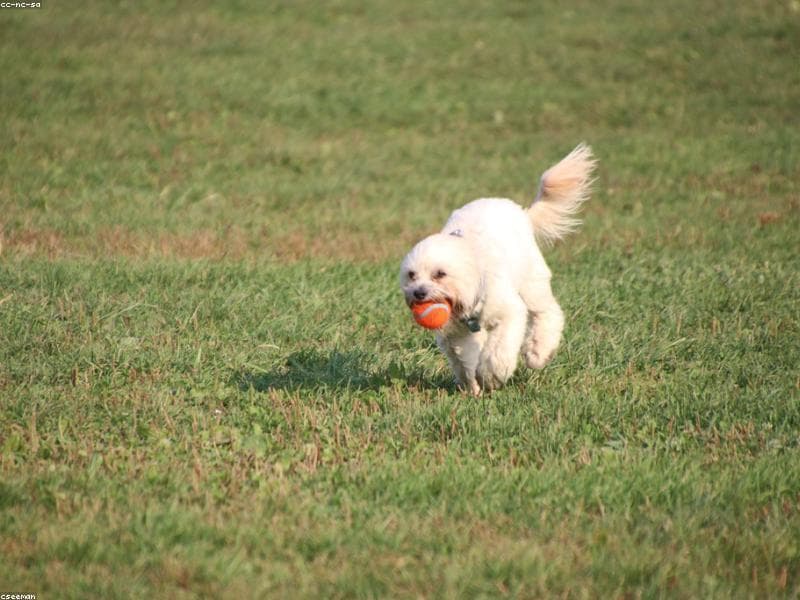
Mudhol Hound (Caravan Hound)
The Mudhol Hound, also called the Caravan Hound or Maratha Hound, originates from Karnataka. These elegant sighthounds are built for speed and endurance, capable of reaching speeds up to 60 km/h. They stand 65-72 cm tall with a lean, muscular build.
The Indian Army has recognized the Mudhol Hound's potential and uses them for border patrol duties. They're loyal, brave, and relatively easy to care for. Their short coat needs minimal grooming, and they handle Indian heat well.
Chippiparai
The Chippiparai is a sighthound from Tamil Nadu's Madurai region. Sleek and aerodynamic, these dogs have a distinctive silver-grey or fawn coat with minimal body fat. They were the preferred hunting dogs of Tamil royalty.
Chippiparais are low-maintenance dogs with minimal shedding and grooming needs. They're generally healthy with few breed-specific issues. However, they need ample running space and aren't ideal for small apartments.
Kombai (Combai)
The Kombai is a powerful guard dog breed from Tamil Nadu. With a muscular build, reddish-brown coat, and black muzzle, these dogs were historically used to hunt dangerous game including boar and bison. They're fiercely loyal to their family.
Kombais need experienced owners who can provide firm, consistent training and socialization from a young age. They're naturally territorial and protective, making them excellent guard dogs but requiring careful management around strangers and other animals.
Breed Specific
Kombais are powerful dogs that need experienced owners. Early socialization and consistent positive training are essential. They're not recommended for first-time dog owners.
Gaddi Kutta and Himalayan Breeds
The Gaddi Kutta (Himalayan Sheepdog) is a large, powerful breed from the Himalayan regions of Himachal Pradesh and Uttarakhand. Used by Gaddi shepherds to protect livestock from snow leopards and bears, these dogs have thick double coats suited to cold mountain climates.
Other Himalayan breeds include the Bakharwal Dog from Kashmir and the Tibetan Mastiff found in Ladakh. These breeds are NOT suited to India's plains and coastal cities — their thick coats make them extremely uncomfortable in temperatures above 25°C.
Choosing the Right Indian Breed for Your Lifestyle
Follow these steps carefully for the best results. Consistency is key — most dog care routines take 2-4 weeks to show noticeable results, so patience is important. Start slowly and gradually build up the routine.
Indian pet owners should adapt these steps to their specific living situation. Apartment dwellers in Mumbai or Bangalore may need to modify certain techniques compared to those with independent houses in cities like Chennai or Lucknow.
- Start with short sessions (5-10 minutes) and gradually increase duration
- Use positive reinforcement — treats and praise work better than punishment
- Be consistent with timing and technique
- Adapt the routine for India's seasonal changes (monsoon, summer, winter)
- Track progress weekly to identify what works best for your dog
DodoDoggy Tip
Keep a simple log of your progress. Note what works and what doesn't for your specific dog. This information is invaluable during vet visits.