Introduction
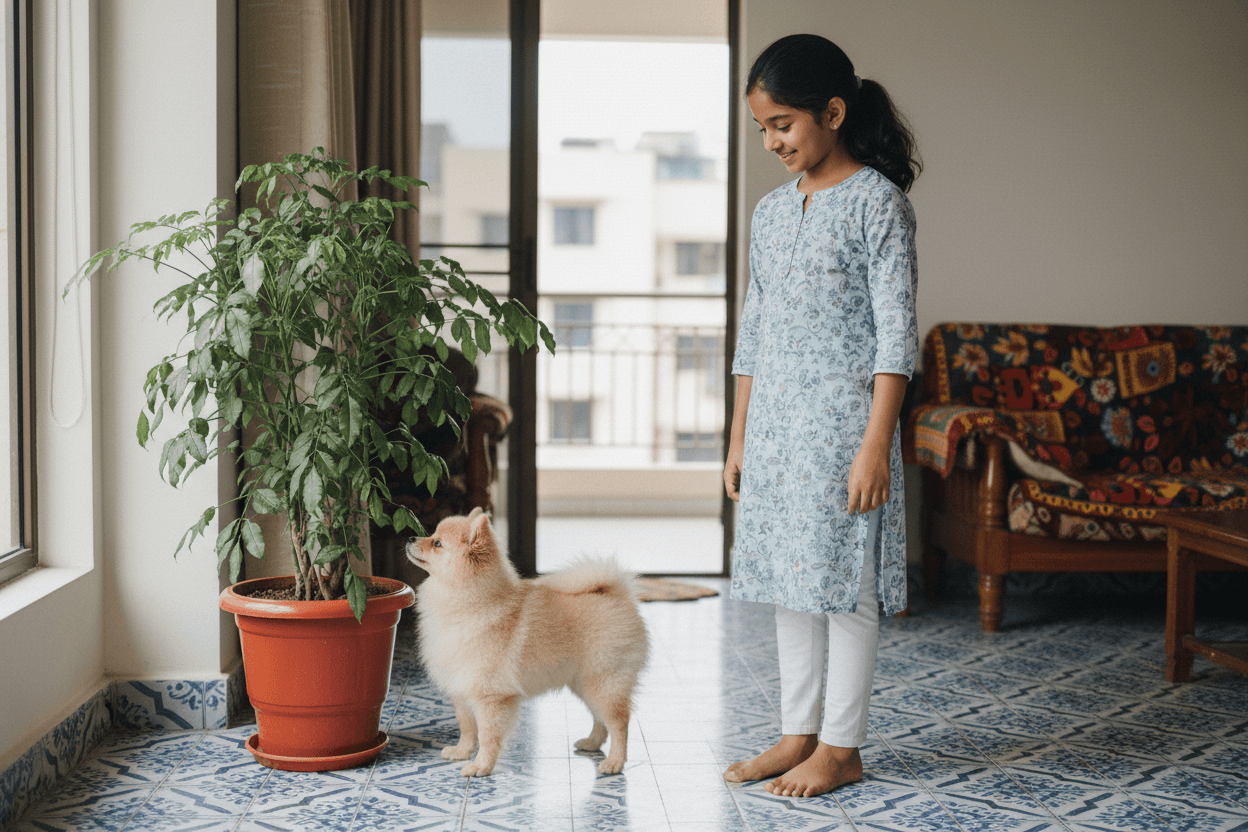
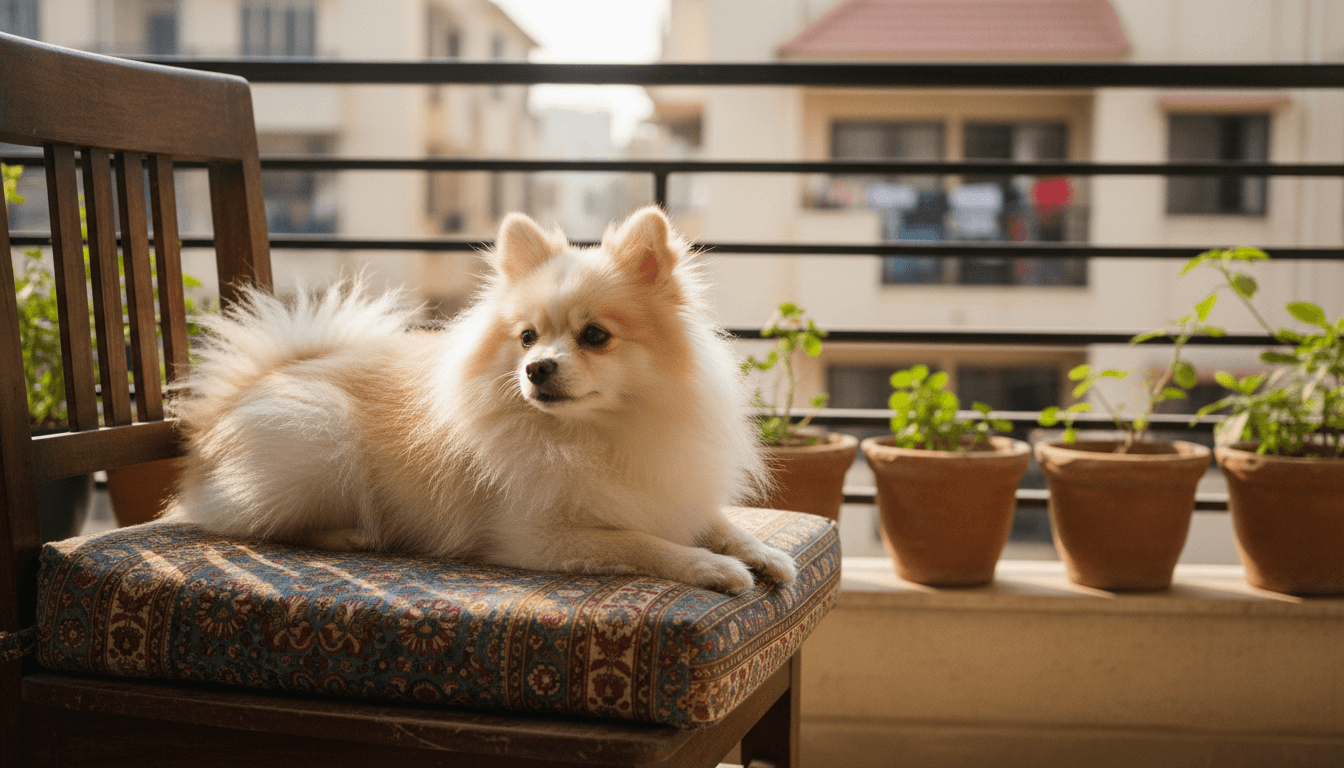
Choosing between an Indian breed and a foreign breed is one of the biggest decisions pet parents in India face. The answer depends on your climate zone, budget, living space, and lifestyle — and the cost differences are larger than most people expect.
This comparison draws on veterinary data, breeder interviews, and real ownership cost breakdowns across metro and tier-2 cities. We cover the six factors that matter most: climate tolerance, health and lifespan, acquisition and lifetime costs, temperament, grooming demands, and suitability for common Indian housing types.
Key Takeaways
- Indian breeds (Indie, Rajapalayam, Mudhol Hound) have 30-40% lower lifetime veterinary costs than foreign breeds due to superior genetic health
- Climate adaptation is critical—Indian breeds handle 40°C heat without AC; thick-coated foreign breeds (Huskies, Golden Retrievers) require year-round climate control costing ₹3,000-8,000 monthly
- Adoption costs: Indian breeds free-₹5,000 from rescues; foreign purebreds ₹15,000-80,000 from ethical breeders
- Average lifespan: Indian breeds 13-16 years vs. foreign breeds 8-14 years (breed-dependent)
- Indian breeds excel at natural guarding instincts without formal training; foreign guard breeds require extensive professional training (₹15,000-30,000)
- Grooming costs: Indian breeds ₹2,000-5,000 annually vs. high-maintenance foreign breeds (Goldens, Shih Tzus) ₹24,000-48,000 annually
- Both Indian and foreign breeds can be excellent companions—choice depends on your climate, budget, lifestyle, and willingness to meet breed-specific needs
Understanding Indian Dog Breeds: More Than Just \\"Street Dogs\\"
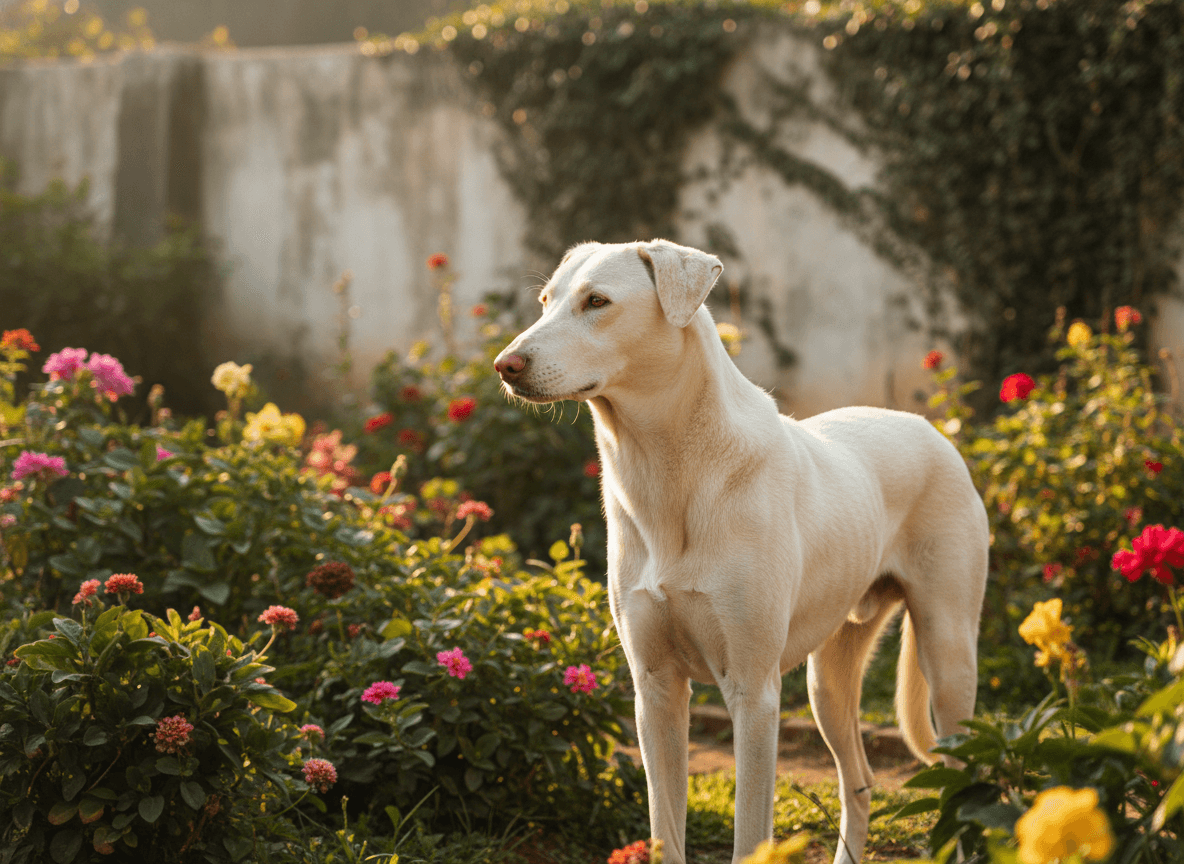
India has over 25 recognised native breeds, yet most people lump them together as "street dogs." Breeds like the Rajapalayam, Mudhol Hound, Chippiparai, and Kanni are purpose-bred hunting and guarding dogs with centuries of documented lineage. The Indian Pariah Dog (Indie) is a landrace — naturally selected over thousands of years for survival in the subcontinent's heat, monsoons, and varied terrain. Our native breeds guide covers this in detail.
These breeds carry broad genetic diversity, which translates directly into fewer hereditary diseases. A 2023 survey by the Indian Veterinary Research Institute found that Indies had 60% fewer hip and joint complaints than Labradors and Golden Retrievers seen at the same clinics. Rajapalayams and Mudhol Hounds showed similarly low incidence of the cardiac and respiratory issues common in brachycephalic foreign breeds like Pugs and French Bulldogs.
Adoption options are expanding fast. Organisations like CUPA (Bangalore), WSD (Mumbai), and Friendicoes (Delhi) handle thousands of Indian breed adoptions yearly, with fees ranging from free to ₹5,000 including vaccinations and sterilisation.
Climate Adaptation: The Biggest Differentiator
Indian summers regularly push past 45°C in cities like Nagpur, Delhi, and Ahmedabad. Indian breeds evolved with short, thin coats, lean body mass, and efficient panting mechanisms that dissipate heat without external help. A healthy Indie or Chippiparai handles a 42°C afternoon with shade and water alone.
Foreign breeds with double coats — Huskies, Samoyeds, Golden Retrievers, German Shepherds — struggle once temperatures exceed 30°C. Owners in Indian metros report AC bills of ₹3,000–8,000 per month during April–June just to keep these breeds comfortable. Without climate control, heat exhaustion sets in quickly: a 2024 PetFed survey recorded a 35% spike in heat-related vet emergencies for thick-coated breeds during May in Delhi-NCR.
Monsoon resilience is another gap. Indian breeds tolerate high humidity and wet conditions with minimal skin issues. Foreign breeds, particularly those with dense undercoats, develop fungal infections and hot spots during the July–September monsoon belt unless groomed and dried daily.
Warning
**Heatstroke is Deadly:** Foreign breeds with thick coats can die from heatstroke in Indian summers. Warning signs: excessive panting, drooling, vomiting, collapse, bright red tongue. If you see these symptoms, this is an EMERGENCY—cool the dog with water and rush to a vet immediately. Prevention: Never walk thick-coated breeds during midday (11am-4pm), always provide AC, ensure constant water access.
Health and Longevity: The Purebred Paradox
Indian breeds live 13–16 years on average, while popular foreign breeds in India average 8–14 years depending on size and lineage. Indies frequently reach 15–16 years with basic veterinary care. By contrast, Golden Retrievers average 10–12 years, and giant breeds like Great Danes rarely exceed 8 years.
The difference comes down to genetic diversity. Foreign purebreds carry breed-specific hereditary conditions: hip dysplasia in German Shepherds and Labradors (prevalence 20–40%), brachycephalic obstructive airway syndrome in Pugs and Bulldogs, progressive retinal atrophy in Cocker Spaniels, and dilated cardiomyopathy in Dobermans. Indian breeds have minimal incidence of these conditions because natural selection weeded out the underlying genes.
Lifetime veterinary costs reflect this gap. Indian breed owners typically spend ₹60,000–₹1.5 lakhs over a dog's life on vet care. Foreign breed owners with predisposed conditions spend ₹2–5 lakhs, with orthopaedic surgeries alone costing ₹50,000–₹2 lakhs per procedure in metro cities.
Cost Comparison: Adoption to Lifetime Ownership
Ownership costs differ sharply between Indian and foreign breeds. The gap starts at acquisition and widens over the dog’s lifetime through veterinary bills, grooming, and climate control expenses. Below are real-world cost ranges gathered from veterinary clinics and pet stores across Mumbai, Delhi, Bangalore, Chennai, and Hyderabad.
Indian breeds have a clear cost advantage: 30–40% lower annual maintenance and 50–70% lower lifetime veterinary costs. The biggest hidden expense for foreign breed owners is electricity — running AC 8–12 hours daily from March to June for a Husky or Golden Retriever adds ₹25,000–₹60,000 per year in cities like Delhi and Nagpur.
- Basic consultation at a veterinary clinic: ₹300-₹1,000
- Specialist consultation in metros: ₹1,500-₹3,500
- Emergency/after-hours visit: ₹2,000-₹5,000
- Monthly maintenance budget (food, basics): ₹2,000-₹8,000
- Annual health check-up package: ₹3,000-₹7,000
Money Saver
Ask your vet about preventive care packages. Many clinics in cities like Bangalore and Hyderabad offer annual wellness plans at 20-30% discount compared to individual visits.
Cost comparison: Indian vs Foreign dog breeds (lifetime ownership) — Indian Breeds, Foreign (Moderate)
| Cost Category | Indian Breeds | Foreign (Moderate) |
|---|---|---|
| Initial Purchase/Adoption | ₹0-25,000 | ₹15,000-60,000 |
| First Year Setup | ₹15,000-40,000 | ₹15,000-40,000 |
| Annual Costs (Avg) | ₹15,000-30,000 | ₹30,000-50,000 |
| AC Electricity (Annual) | ₹0 | ₹0-15,000 |
| Professional Grooming (Annual) | ₹2,000-5,000 | ₹6,000-15,000 |
| Lifetime Vet Costs | ₹60,000-1.5 lakhs | ₹2-4 lakhs |
| Total 12-Year Ownership | ₹2.75-5.95 lakhs | ₹5.9-10.4 lakhs |
Cost comparison: Indian vs Foreign dog breeds (lifetime ownership) — Foreign (High-Maintenance)
| Cost Category | Foreign (High-Maintenance) | |
|---|---|---|
| Initial Purchase/Adoption | ₹20,000-80,000 | |
| First Year Setup | ₹15,000-40,000 | |
| Annual Costs (Avg) | ₹50,000-80,000 | |
| AC Electricity (Annual) | ₹25,000-60,000 | |
| Professional Grooming (Annual) | ₹24,000-48,000 | |
| Lifetime Vet Costs | ₹2.5-5 lakhs | |
| Total 12-Year Ownership | ₹8-14.7 lakhs |
Temperament and Trainability: Breaking the Myths
Indian breeds are intelligent, independent thinkers — a trait that comes from surviving without human direction for generations. An Indie learns house rules and boundaries within 2–3 weeks but may ignore repetitive obedience drills. They respond best to short, reward-based sessions of 10–15 minutes with high-value treats.
Foreign breeds bred for specific tasks — Labradors for retrieving, Border Collies for herding, German Shepherds for protection — tend to be more biddable and eager to repeat commands. This makes them easier to train for structured obedience but also means they need more mental stimulation. A bored Labrador in a Mumbai flat will chew furniture; a bored Indie will usually just sleep.
Guard instincts differ sharply. Indian breeds like the Rajapalayam and Kombai are natural territory guarders — alert, vocal, and protective without any formal training. Foreign guard breeds like Rottweilers and Dobermans need professional training (₹15,000–₹30,000 for a basic programme) to channel their protective drive safely.
Pro Tip
**Training Tip for Indian Breeds:** Indies and other Indian breeds respond best to positive reinforcement training with moderate repetition. They're smart and get bored with endless drill-style training (unlike Labs who never tire of repetition). Keep sessions short (10-15 minutes), use high-value treats, make training fun and challenging. Indian breeds LOVE problem-solving tasks—hide-and-seek, puzzle toys, scent work.
Suitability for Indian Living Conditions
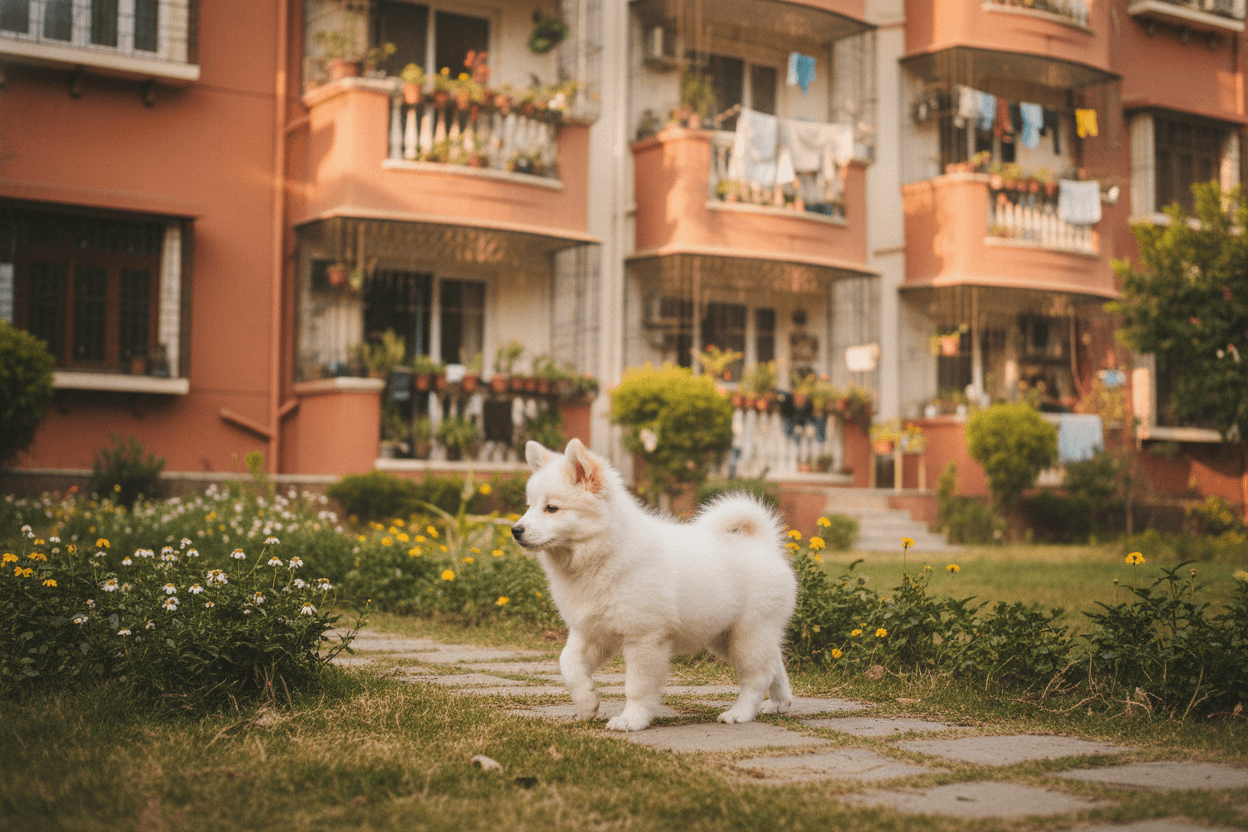
Apartment living (under 800 sq ft) favours medium-sized Indian breeds and small foreign breeds. Indies, Chippiparais, and Kanni dogs adapt well to flats with two daily walks. Among foreign breeds, Beagles, Shih Tzus, and Cavalier King Charles Spaniels manage small spaces, though they need consistent exercise schedules.
Independent houses with yards open up options for larger breeds on both sides. Rajapalayams and Mudhol Hounds thrive with open space and natural patrolling territory. Labradors, Golden Retrievers, and German Shepherds also do well in houses but still require AC during summer months.
Noise sensitivity matters in Indian housing. Most apartment complexes have noise complaints as a common issue. Indian breeds tend to bark less frequently than breeds like Beagles, Dachshunds, and smaller Spitz-type dogs. If you live in a society with strict pet rules, a quieter breed — Indie, Greyhound, or Basenji — reduces friction with neighbours.
The Adoption vs Purchase Decision
India has two main paths to dog ownership: adoption through shelters and rescue organisations, or purchasing from breeders. The adoption ecosystem has grown rapidly since 2020, with organisations like CUPA (Bangalore), WSD (Mumbai), Friendicoes (Delhi), and Blue Cross (Chennai and Hyderabad) handling over 50,000 adoptions annually combined.
Adoption fees for Indian breeds range from free to ₹5,000, typically covering vaccinations, deworming, and sterilisation. Most rescues also provide initial health certificates and behavioural assessments. The adoption process usually takes 3–7 days, including a home visit by the rescue team.
Purchasing a foreign purebred from an ethical breeder in India costs ₹15,000–₹80,000 depending on the breed and breeder reputation. KCI (Kennel Club of India) registered breeders must provide pedigree documentation, health clearances, and a minimum 8-week puppy age at handover. However, unregistered backyard breeders and puppy mills remain a widespread problem — a 2023 FIAPO report estimated that 60–70% of purebred puppies sold online in India come from unregulated sources with no health screening.
Info
**How to Identify Ethical Breeders:** Red flags of puppy mills and backyard breeders: 1) Won't let you visit facilities, 2) Have multiple breeds available, 3) Sell puppies younger than 8 weeks, 4) No health guarantees or vet records, 5) Cheap prices well below breed averages, 6) Sell via OLX/pet shops/intermediaries.
Final Verdict: Which Should You Choose?
If budget, low maintenance, and climate resilience are your priorities, an Indian breed is the clear winner. Indies and native breeds cost 50–70% less over their lifetime, live longer, and need zero special climate arrangements. They are the practical choice for most Indian households.
Foreign breeds make sense when you want a specific temperament or working trait that Indian breeds do not offer — the Labrador's retrieving drive, the Border Collie's herding precision, or the Poodle's hypoallergenic coat. Be prepared for higher costs, more grooming, and climate management.
Pro Tip
Whichever breed you choose, adopt from verified rescues or ethical breeders. Avoid pet shops and online classifieds — they are the primary supply chain for puppy mills in India.