India's scorching summers—with temperatures routinely hitting 35-45°C and humidity levels exceeding 80% in coastal cities—pose serious challenges for dogs. Heat stroke is the single biggest preventable cause of death in pets during Indian summers, and most victims are cold-weather breeds whose owners didn't grasp the fatal mismatch between breed and climate. Choosing a heat-tolerant breed isn't about denying yourself your dream dog. It's about ensuring your dog lives a comfortable, healthy life. A Husky panting in 40°C Mumbai heat isn't enjoying life; it's suffering. A climate-adapted breed like an Indian Pariah Dog or Mudhol Hound thrives in those same conditions. Below you'll find the 10 best heat-tolerant dog breeds for India, critical cooling strategies, breeds to avoid, and how to spot heat stroke before it turns fatal. Whether you're in humid Mumbai, dry Delhi, or moderate Bangalore, this guide covers which breeds can genuinely thrive—not just survive—in Indian summers.
Note
- Peak months: April-June (when temps hit 42-48°C in north and central India)
- Most at-risk breeds: thick double-coated and brachycephalic dogs
- Brachycephalic breeds have 4.21 times the odds of heat-related illness vs normal-muzzle dogs (AVMA Journal, 2017)
- Average temperature tolerance gap: heat-adapted breeds handle up to 42°C; cold-weather breeds struggle above 28°C
- Indian Pariah Dogs show genetic adaptation to heat through 4,500+ years of natural selection in Indian conditions
Understanding Heat Tolerance in Dogs
Dogs cool themselves primarily through panting and vasodilation in their ears and paw pads—they don't sweat through skin like humans. Breeds with short muzzles (brachycephalic) pant less efficiently, making them especially vulnerable in Indian heat. A study published in the Journal of the American Veterinary Medical Association found that brachycephalic dogs have significantly greater respiratory rates under heat stress, with 4.21 times higher odds of developing heat-related illness compared to dogs with normal muzzle length. If you also have allergies to dog dander, see our guide on hypoallergenic dog breeds in India with heat tolerance ratings for Indian summers.
India spans three major climate zones: arid (Rajasthan, Gujarat—dry heat up to 48°C), tropical humid (Mumbai, Chennai, Kolkata—35°C with 85%+ humidity), and subtropical (Delhi, Lucknow—extreme summers and cool winters). Humidity matters as much as raw temperature because it reduces the efficiency of panting. A dog in 35°C Chennai with 90% humidity is under more heat stress than one in 42°C Jodhpur with 20% humidity.
Key physiological markers of heat-adapted breeds: thin single-layer coats, large erect ears with high blood flow, lean body composition, light belly pigmentation, and efficient kidney function that conserves water. Most Indian native breeds carry all five traits after thousands of years of natural selection on the subcontinent.
Warning
**Critical Warning:** Air conditioning is NOT a solution for cold-weather breeds in India. A Husky requires 18-20°C constant temperature—running AC at this level 24/7 costs ₹6,000-₹10,000/month (₹72,000-₹1,20,000 annually) and still doesn't allow safe outdoor exercise during 8+ hours of peak heat daily.
Top 10 Heat-Tolerant Dog Breeds for India
Based on climate adaptability, health in heat, and owner feedback across major Indian cities, here are the 10 best breeds for Indian summers.
Indian Pariah Dog (Indie) – The Climate Champion
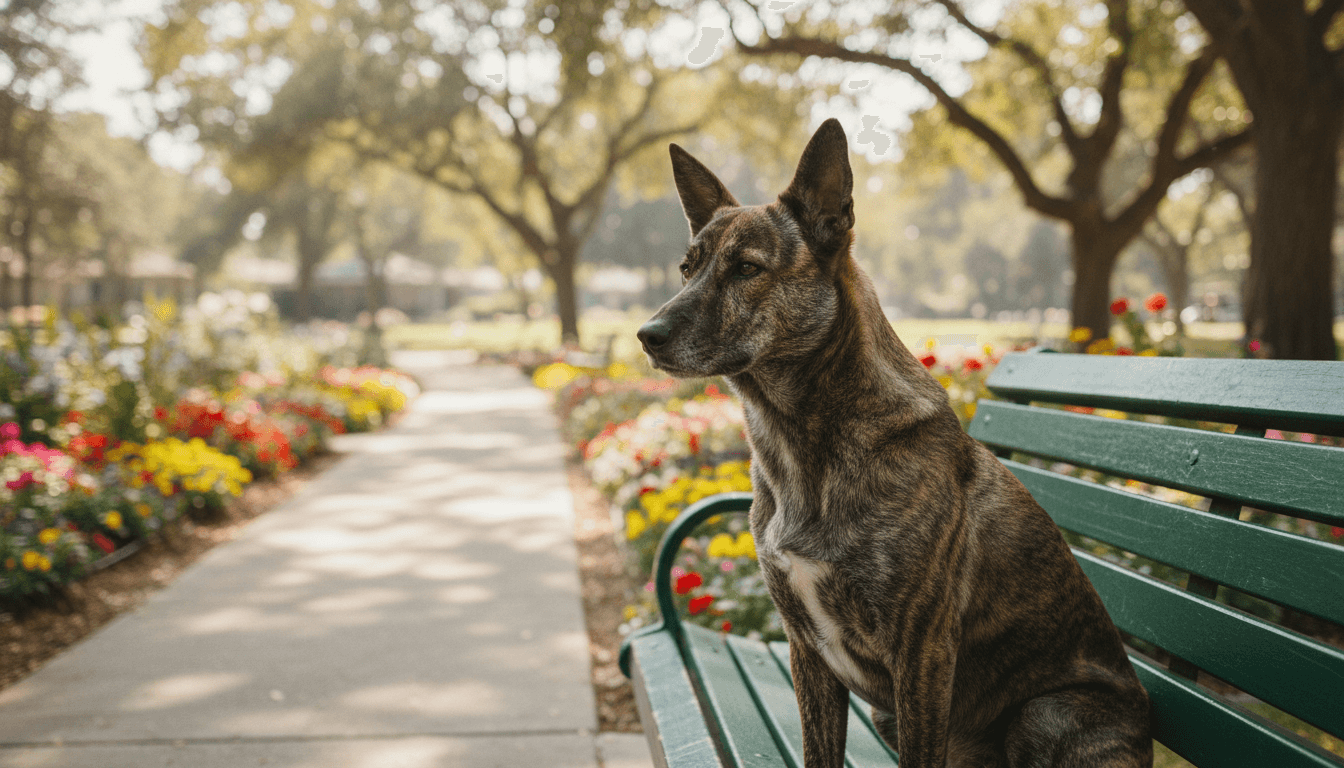
**Heat Tolerance:** Excellent (handles 42°C easily) **Size:** 15-25 kg **Coat:** Short, single-layer **Best For:** All Indian climates Indian Pariahs evolved over 4,500 years in Indian conditions. Archaeological evidence places them in Indian villages as far back as the Indus Valley Civilization. They're genetically optimized for heat, require no air conditioning, and thrive in conditions that would hospitalize imported breeds. Cornell University's College of Veterinary Medicine specifically identifies lean body mass and short coats as the two biggest protective factors against heat illness—and Indie dogs have both.
**Heat advantages:** - Short coat with minimal shedding - Naturally seeks shade during peak heat - Efficient panting mechanism - Can exercise in moderate heat (32-35°C) - Zero AC requirements **Adoption:** Free-₹2,000 from any Indian shelter
Rajapalayam – The Tamil Nadu Ghost Hound
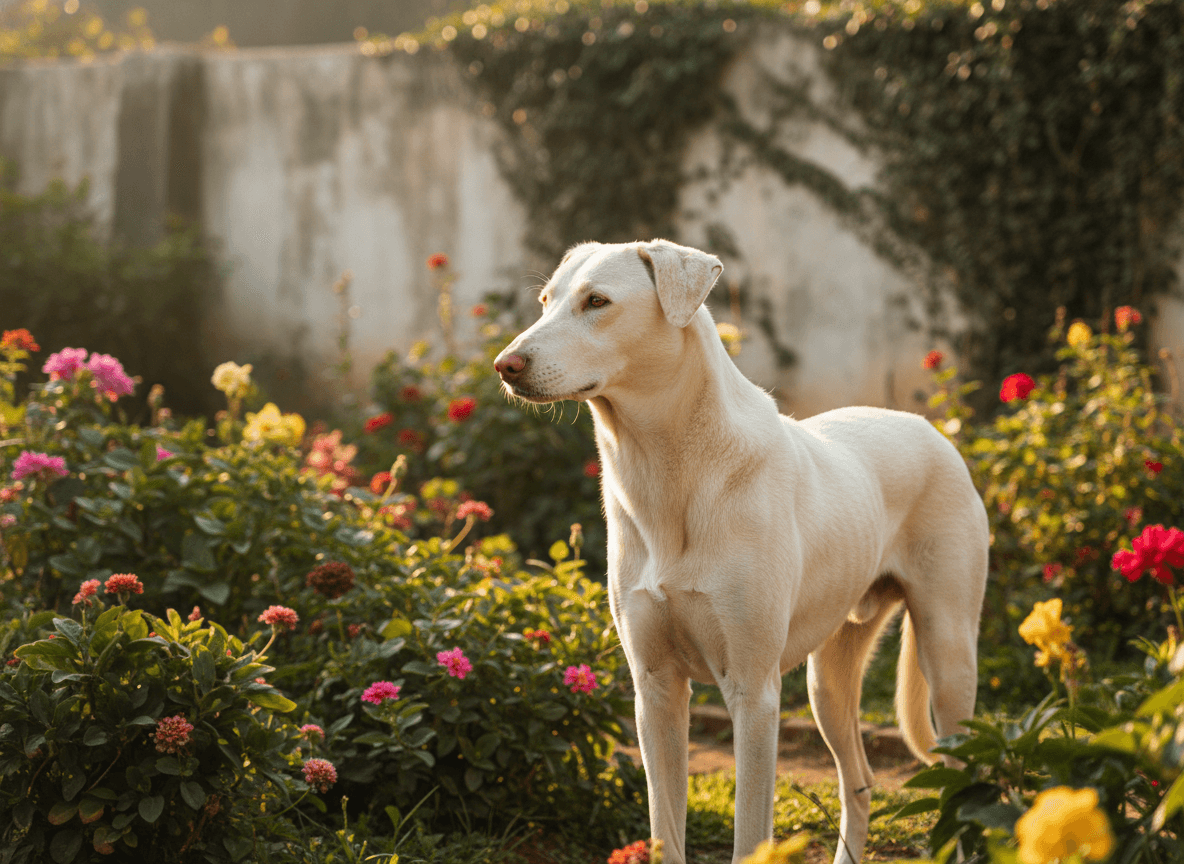
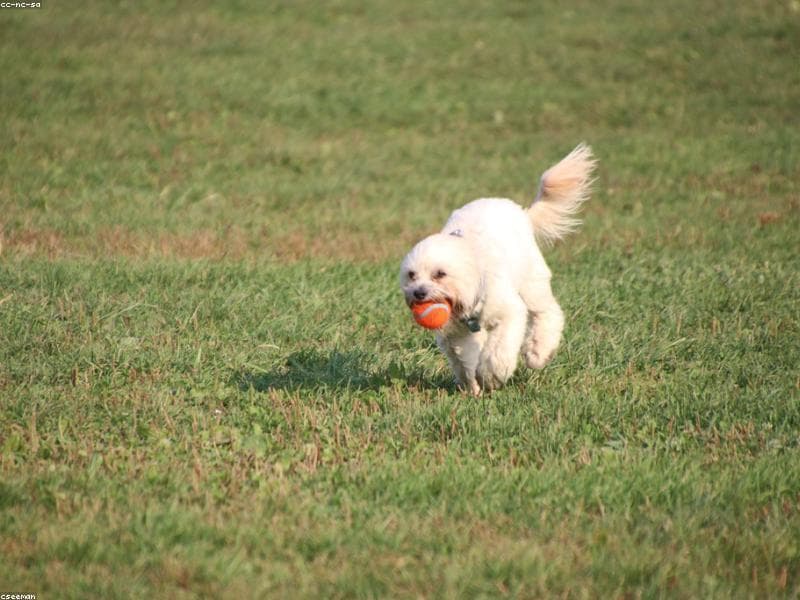
**Heat Tolerance:** Excellent (handles 42°C) **Size:** 25-30 kg **Coat:** Short, smooth, white **Best For:** Hot dry climates, homes with yards The Rajapalayam originated in the Virudhunagar district of Tamil Nadu and was historically used for hunting wild boar. Its solid white coat reflects sunlight rather than absorbing it, and the lean sighthound build minimizes metabolic heat.
**Heat advantages:** - White coat reflects UV radiation - Lean, long-legged build maximizes surface-area-to-mass ratio - Deep chest allows efficient breathing and panting - Adapted to Tamil Nadu summers (38-42°C) - No AC needed; thrives outdoors year-round
**Price:** ₹8,000-₹20,000 from registered breeders in Tamil Nadu. The Kennel Club of India recognizes the breed, and several rescue organizations in South India rehome Rajapalayams.
Mudhol Hound – The Karnataka Warrior
**Heat Tolerance:** Excellent (handles 40°C) **Size:** 22-28 kg **Coat:** Short, fine **Best For:** Active families, rural and semi-urban homes Bred in the Mudhol taluk of Karnataka's Bagalkot district, this sighthound has been used by Deccan plateau farmers for centuries. The Indian Army inducted Mudhol Hounds into trials for border patrol duty—a recognition of their stamina in extreme heat. The Border Security Force has also begun training Mudhol Hounds and Rampur Hounds in K9 units for counterinsurgency missions.
**Heat advantages:** - Extremely thin coat with almost no undercoat - Aerodynamic build designed for sustained running in 35-40°C heat - Low body fat percentage reduces heat retention - Naturally drinks sparingly and conserves water - Can exercise in moderate heat (30-35°C) when most imported breeds cannot
**Price:** ₹10,000-₹25,000. Availability is best in Karnataka and Maharashtra. The breed was featured on an Indian postage stamp in 2005, boosting recognition nationwide.
Heat Tolerance Comparison: Top 10 Breeds
| Breed | Max Temp | AC Required |
|---|---|---|
| Indian Pariah | 42°C | No |
| Rajapalayam | 42°C | No |
| Mudhol Hound | 40°C | No |
| Dalmatian | 38°C | Optional |
| Vizsla | 38°C | Optional |
4-10: More Heat-Tolerant Breeds
**4. Chippiparai** — Tamil Nadu sighthound, handles 42°C. Short coat, lean frame, minimal grooming. Price: ₹8,000-₹15,000. Historically used for hunting hare and deer in the southern Deccan.
**5. Kanni** — Another Tamil Nadu native, slightly smaller than Chippiparai. Single-coat, built for endurance running in hot terrain. Thrives without AC in temperatures up to 40°C. Price: ₹5,000-₹12,000.
**6. Kombai (Combai)** — Tamil Nadu guard dog bred for hunting boar in dense scrubland. Muscular but lean, short red-brown coat, handles humid heat well. Excellent guard instincts make it popular in rural South India. Price: ₹5,000-₹15,000.
**7. Dalmatian** — Originally from warm coastal Croatia, Dalmatians adapt well to Indian heat. Short spotted coat, lean build, high energy. Good grooming routine keeps the coat healthy year-round. One of the few foreign breeds that genuinely thrives in 35-38°C without AC. Price: ₹25,000-₹50,000.
**8. Vizsla** — Hungarian breed from a warm continental climate. Short golden coat, athletic build, handles heat up to 38°C with shade access. Needs 60-90 minutes of daily exercise. Price: ₹40,000-₹80,000.
**9. Basenji** — Central African breed that doesn't bark (yodels instead). Evolved in equatorial Congo heat. Short coat, small size (10-12 kg), self-grooming habits similar to cats. Handles 40°C+ with minimal distress. Price: ₹30,000-₹60,000 (limited availability in India).
**10. Caravan Hound (Mudhol variant)** — Found across Maharashtra, Karnataka, and Andhra Pradesh. Taller and lighter than the standard Mudhol, bred for chasing game across open Deccan scrubland in extreme dry heat (45°C+). Price: ₹8,000-₹20,000.
Breeds to ABSOLUTELY AVOID in Indian Climate
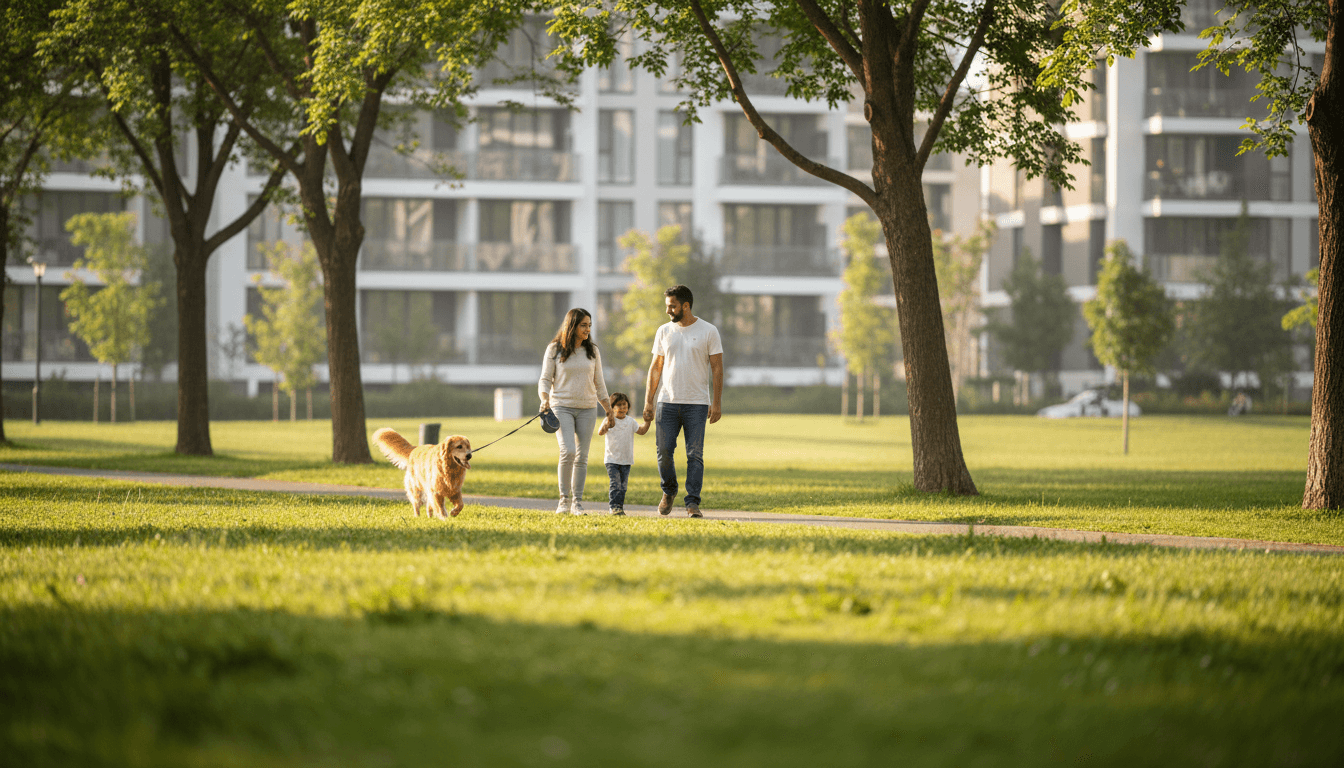
Certain breeds are physiologically incapable of handling Indian summers without constant air conditioning. Bringing these breeds to India means a lifetime of restricted outdoor time, high electricity bills, and elevated health risks. Research published by Veterinary Evidence journal found that brachycephaly is a confirmed risk factor for heat stroke development, with affected dogs showing drastically reduced ability to dissipate metabolic heat through panting.
- Siberian Husky — Bred for -40°C; double coat traps heat; cannot safely be outdoors above 28°C
- Saint Bernard — 60-80 kg body mass generates enormous metabolic heat; prone to heat stroke above 25°C
- Alaskan Malamute — Dense double coat, heavy build; requires constant 18-20°C environment
- Bernese Mountain Dog — Thick black coat absorbs heat; high risk of heat stroke in any Indian city
- Chow Chow — Extremely dense double coat; brachycephalic tendencies worsen panting efficiency
Warning
Brachycephalic breeds (Pugs, English Bulldogs, French Bulldogs) face compounded risk: their shortened airways reduce panting efficiency significantly, making heat dissipation dangerously slow even in moderate Indian temperatures (30-35°C). The AVMA Journal confirms these breeds need substantially more respiratory effort to maintain the same cooling as normal-muzzled dogs.
Warning
**Husky Reality Check:** Owning a Husky in India requires: (1) ₹72,000-₹1,20,000/year in AC costs, (2) Exercise only between 5-7 AM or 8-10 PM, (3) No outdoor time from March-September between 9 AM-6 PM, (4) High vet costs for heat-related issues. Total additional cost versus heat-tolerant breeds: ₹1,20,000-₹2,00,000/year.
Heat Management: Essential Tips for All Breeds
Even heat-tolerant breeds need active cooling management during Indian peak summer (April-June). These strategies are tested across Mumbai, Delhi, Chennai, and Bangalore climates.
- Walk schedule: Before 7 AM and after 7 PM only — pavement temperature exceeds 55°C by 10 AM in Delhi summers
- Hydration: Provide 60-80 ml water per kg body weight daily; add ice cubes to water bowls from March onwards
- Cooling mats: Gel-based mats (₹800-₹2,000 on Amazon India) reduce body temperature by 3-5°C
- Shade access: Ensure outdoor dogs have covered shelter — direct sun raises body temperature 2°C in 15 minutes
- Wet towel method: Drape a damp towel over your dog's back during peak hours; re-wet every 30 minutes
Note
- Move dog to shade or AC immediately
- Wet entire body with cool (NOT ice-cold) water
- Focus on head, neck, paws, groin area
- Place wet towels on body
- Offer small amounts of cool water (don't force)
- Use fan for air circulation
- Take rectal temperature if possible (normal: 38-39°C)
- Call vet immediately even if dog seems to recover
- Transport to vet clinic in AC car
- Continue cooling during transport
Recognizing Heat Stroke: Critical Signs
Heat stroke progresses through three stages, each with distinct warning signs. Recognizing Stage 1 gives you a high survival window; by Stage 3, survival drops sharply even with veterinary intervention. According to Cornell University's Riney Canine Health Center, early recognition and immediate cooling are the two biggest factors determining whether a dog survives a heat emergency.
- Stage 1 (Heat Stress): Excessive panting with wide-open mouth, drooling thick saliva, seeking shade or cool floors, body temperature 39.5-40°C (normal is 38-39°C)
- Stage 2 (Heat Exhaustion): Bright red or purple gums and tongue, staggering or wobbling gait, vomiting, diarrhea, body temperature 40-41°C — get to a vet immediately
- Stage 3 (Heat Stroke Emergency): Collapse, seizures, bloody diarrhea, pale or grey gums, body temperature above 41°C — organ failure begins within minutes
- High-risk triggers in India: Walking on hot pavement after 9 AM (surface temp 55-70°C), leaving dogs in parked cars, exercising brachycephalic breeds in humidity above 60%
Warning
**Do NOT use ice water** to cool a dog in heat stroke — it causes blood vessels to constrict, trapping heat internally. Use cool (not cold) tap water, focus on paw pads and groin, and get to the nearest vet immediately. In major Indian cities, clinics like Cessna Lifeline (Bangalore), Max Vets (Delhi), and Vetic (Mumbai, Delhi) offer 24/7 emergency care.
City-Specific Climate Considerations
India's climate varies drastically between cities, and breed suitability changes accordingly. A dog comfortable in Bangalore's 22-34°C range may struggle in Chennai's 28-42°C with 85% humidity. These city profiles are based on IMD climate data.
- Mumbai (tropical, humid): Indian Pariah, Mudhol Hound, Dalmatian — avoid any double-coated breed
- Delhi (extreme continental): Indian Pariah, Rajapalayam — summers demand AC for non-native breeds; winters are brief
- Chennai (hot, humid year-round): Chippiparai, Rajapalayam, Kombai — humidity makes even 34°C dangerous for thick-coated breeds
- Bangalore (moderate): Widest breed compatibility — Labradors and Goldens can manage here with fans and shade
- Kolkata (hot, very humid): Prioritize single-coat breeds; double-coated breeds face monsoon fungal infections on top of heat stress
- Jaipur/Ahmedabad (arid, extreme): Dry heat up to 48°C — only desert-adapted breeds (Rajapalayam, Caravan Hound) thrive without AC
Cost of AC for Heat-Sensitive Breeds
Owning a heat-sensitive breed in India comes with substantial cooling costs. Here's a realistic monthly breakdown based on current electricity rates across major cities.
- 1.5-ton inverter AC running 16 hrs/day (April-Sept): ₹4,000-₹7,000/month electricity
- Annual AC cost for a Husky or Saint Bernard: ₹24,000-₹42,000 (6 months of heavy use)
- AC maintenance and servicing: ₹2,000-₹4,000/year
- Cooling accessories (mats, vests, portable fans): ₹3,000-₹8,000 one-time
- Heat-related vet visits (dehydration, skin issues): ₹5,000-₹15,000/year for cold-weather breeds
Money Saver
Heat-tolerant Indian breeds like Pariahs and Mudhol Hounds need zero AC spending. Over a 12-year lifespan, choosing an Indian breed over a Husky saves ₹3-5 lakh in cooling costs alone. See the full vet costs breakdown for Indian vs imported breeds.
Final Verdict: Choose Wisely for Your Dog's Health
The data is clear: Indian native breeds — documented by the Kennel Club of India and backed by decades of field use by Indian Army and BSF K9 units — outperform imported breeds on every heat-tolerance metric. Temperature ceiling, AC dependency, vet costs, outdoor exercise hours. If you live anywhere in India below 1,500 metres elevation, an Indian Pariah, Rajapalayam, or Mudhol Hound will give you a healthier, lower-maintenance companion than any imported breed. See the complete Indian dog breeds guide for full profiles on all native breeds.
For those set on a foreign breed, Dalmatians, Vizslas, and Basenjis are the safest choices — all originate from warm climates and have single coats. If you're new to dog ownership, see our guide for first-time owners in India before deciding. Avoid any breed originally developed for cold or alpine conditions, regardless of how popular it is on social media. The comparison is laid out clearly in our Indian vs foreign breeds comparison guide.
Pro Tip
Before buying or adopting, visit the dog during the hottest part of the day (1-3 PM in summer). Watch its energy level and breathing. A dog that pants excessively or refuses to move in moderate heat will suffer far more in peak Indian summer.