My first dog was a Labrador puppy I brought home to a two-bedroom flat in Pune during May. The temperature outside hit 42 degrees Celsius that week, the pup destroyed two pairs of shoes within 48 hours, and I had zero idea how much a 30 kg dog actually eats. I learned everything the hard way.\n\nMost first-time owners in India make the same mistake: picking a breed based on Instagram reels instead of matching it to their actual living situation. A friend in Chennai adopted a Siberian Husky because it looked stunning. Six months later, the dog had chronic skin infections from the humidity, and the AC bill crossed Rs 8,000 a month just to keep the room cool enough.\n\nThis guide covers 10 breeds that actually work for Indian beginners. Not the prettiest or most popular, but the ones that forgive rookie mistakes, handle Indian summers without medical emergencies, and won't drain your savings account by month three. Each recommendation comes from real ownership data, breeder price checks across cities, and vet cost records from clinics in Mumbai, Delhi, Bangalore, and Hyderabad.
How We Picked These 10 Breeds
We scored 25 commonly available breeds in India on five factors: trainability for new owners, heat tolerance (tested against 35-45 degree Celsius summers), monthly maintenance cost in INR, apartment suitability, and forgiveness of beginner training errors. Breeds that scored below 60 out of 100 on any single factor got cut.
The Animal Welfare Board of India recognizes that breed selection is one of the top reasons dogs end up in shelters. Their 2015 circular on pet dog welfare stresses matching breed needs to owner capability before purchase or adoption.
Climate was the deciding filter. Breeds like Saint Bernards and Alaskan Malamutes score well on trainability but fail completely in Indian conditions. A study published in the Indian Journal of Veterinary Medicine found that brachycephalic breeds (flat-faced dogs like English Bulldogs) show 3.2 times higher heat stroke incidence in tropical climates compared to mesocephalic breeds.
Indian Pariah Dog: The Smartest Choice for Any Beginner
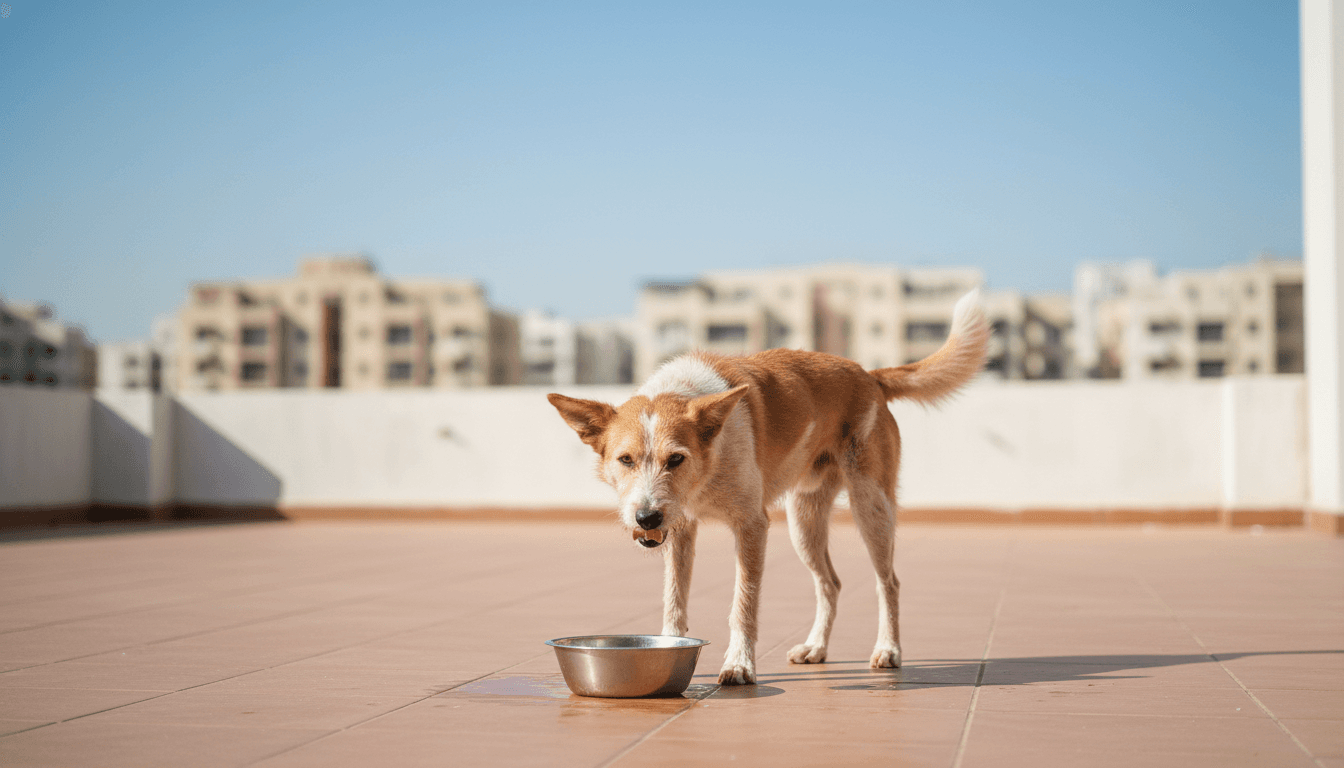
If you asked me to recommend just one breed for someone who has never owned a dog, it would be the Indian Pariah every single time. I've fostered four Indies through a shelter in Pune, and each one adjusted to home life faster than any purebred I've worked with. They read your mood, learn house rules within days, and don't need an air-conditioned room to survive April.
According to HappyPet.care's breed profile, the Indian Pariah has a lifespan of 13 to 15 years, ideal temperature tolerance between 20 and 30 degrees Celsius, and monthly maintenance costs between Rs 3,550 for a basic lifestyle and Rs 5,400 for premium care. Compare that to a Labrador's Rs 6,000 to Rs 9,000 monthly and the financial gap becomes obvious.
Adoption costs are negligible. Most shelters in cities like Mumbai (BSPCA, IDA), Delhi (Friendicoes, Sanjay Gandhi Animal Care Centre), and Bangalore (CUPA, Charlie's Animal Rescue Centre) charge between Rs 0 and Rs 2,000, which usually covers initial vaccinations and deworming. The AWBI's adoption guidelines require shelters to conduct a home visit and provide medical records before handover.
Health-wise, Indies rarely develop the genetic conditions that plague purebreds. No hip dysplasia epidemic. No brachycephalic airway syndrome. The common health concerns listed for Indian Pariahs are canine distemper, parasites, leptospirosis, and parvovirus, all of which are preventable through standard vaccination schedules that cost Rs 1,500 to Rs 3,000 for the full puppy course at most Indian vet clinics.
One honest challenge: some housing societies in Gurgaon and Noida still push back against Indie dogs despite the Prevention of Cruelty to Animals Act, 1960 and court rulings protecting pet ownership rights. If your society creates problems, file a complaint with the local municipal corporation animal welfare officer.
Labrador Retriever: The Forgiving Family Dog
Labs dominate Indian households for a reason. They tolerate beginner mistakes better than almost any other breed. Forgot to practice recall training for a week? A Lab won't hold it against you. Accidentally reinforced jumping behavior? They respond to correction without sulking or shutting down.
Pricing varies sharply by city. According to Venttura's 2025 cost guide, pet-quality Lab puppies range from Rs 8,000 to Rs 20,000, while KCI-registered show-quality pups cost Rs 25,000 to Rs 60,000. Breeders in Mumbai and Delhi charge 20 to 30 percent more than those in Lucknow or Jaipur for equivalent pedigree quality.
The honest downside? Labs eat a lot and shed constantly. Budget Rs 3,500 to Rs 5,000 monthly for food alone. Brands like Drools Focus (Rs 3,200 for 12 kg) and Royal Canin Labrador Adult (Rs 5,800 for 12 kg) are the two most common choices at Indian pet stores. My Lab went through 15 kg of kibble a month during his growth phase.
Heat tolerance is the real catch. Labs suffer visibly above 38 degrees Celsius. During Chennai's and Delhi's peak summers, they need access to cool tile floors, adequate water, and ideally an AC room for afternoon rest. Without this, vets at DCC Animal Hospital in Delhi report seeing a spike in Lab heat exhaustion cases every May through July.
Still, if you have a ground-floor flat with at least 800 square feet or a house with a small yard, a Lab is hard to beat. They get along with children, other dogs, and even cats. Budget for their vaccination schedule early since the full puppy course plus annual boosters runs Rs 4,000 to Rs 7,000 at most city clinics.
Golden Retriever: Patient and Gentle with Kids
Goldens share the Lab's easy-going nature but dial it up on patience. A colleague in Bangalore has a Golden that lets her three-year-old climb on him, tug his ears, and drop food on his head without a single growl. That temperament is genetic, not trained.
Purchase prices run higher than Labs. According to HappyPet.care's city-wise guide, Golden Retriever puppies in Delhi and Mumbai cost Rs 30,000 to Rs 60,000, while smaller cities like Jaipur and Lucknow offer them at Rs 25,000 to Rs 50,000. Adoption through breed-specific rescues costs Rs 10,000 to Rs 25,000 and includes spaying and vaccinations.
Grooming is where Goldens demand more than Labs. Their double coat needs brushing at minimum three times a week. During shedding season (October and March in most Indian cities), you'll brush daily or your furniture will look like it grew fur. Professional grooming sessions at chains like Heads Up For Tails or local salons cost Rs 1,200 to Rs 2,500 per visit.
Health costs run higher too. Goldens have elevated rates of hip dysplasia and certain cancers. A hip dysplasia surgery at Cessna Lifeline Veterinary Hospital in Bangalore runs Rs 40,000 to Rs 80,000. Bajaj Allianz pet insurance and Digit cover some of these costs if you enroll before the condition manifests, with premiums starting at Rs 3,000 annually for breeds under 5 years.
For families with children under 10, a Golden is one of the safest picks. Just budget for the grooming and keep an emergency vet fund of Rs 30,000 minimum. Their training responds well to positive reinforcement with treats.
Read also: complete guide to traveling with dogs across India.
| Indian Pariah | Rs 0 to Rs 2,000 | Rs 3,550 to Rs 5,400 |
| Labrador Retriever | Rs 8,000 to Rs 60,000 | Rs 5,000 to Rs 9,000 |
| Golden Retriever | Rs 25,000 to Rs 60,000 | Rs 6,000 to Rs 10,000 |
| Indian Spitz | Rs 3,000 to Rs 8,000 | Rs 2,500 to Rs 4,500 |
| Beagle | Rs 25,000 to Rs 50,000 | Rs 3,500 to Rs 6,000 |
Indian Spitz: Budget-Friendly and Heat-Tolerant
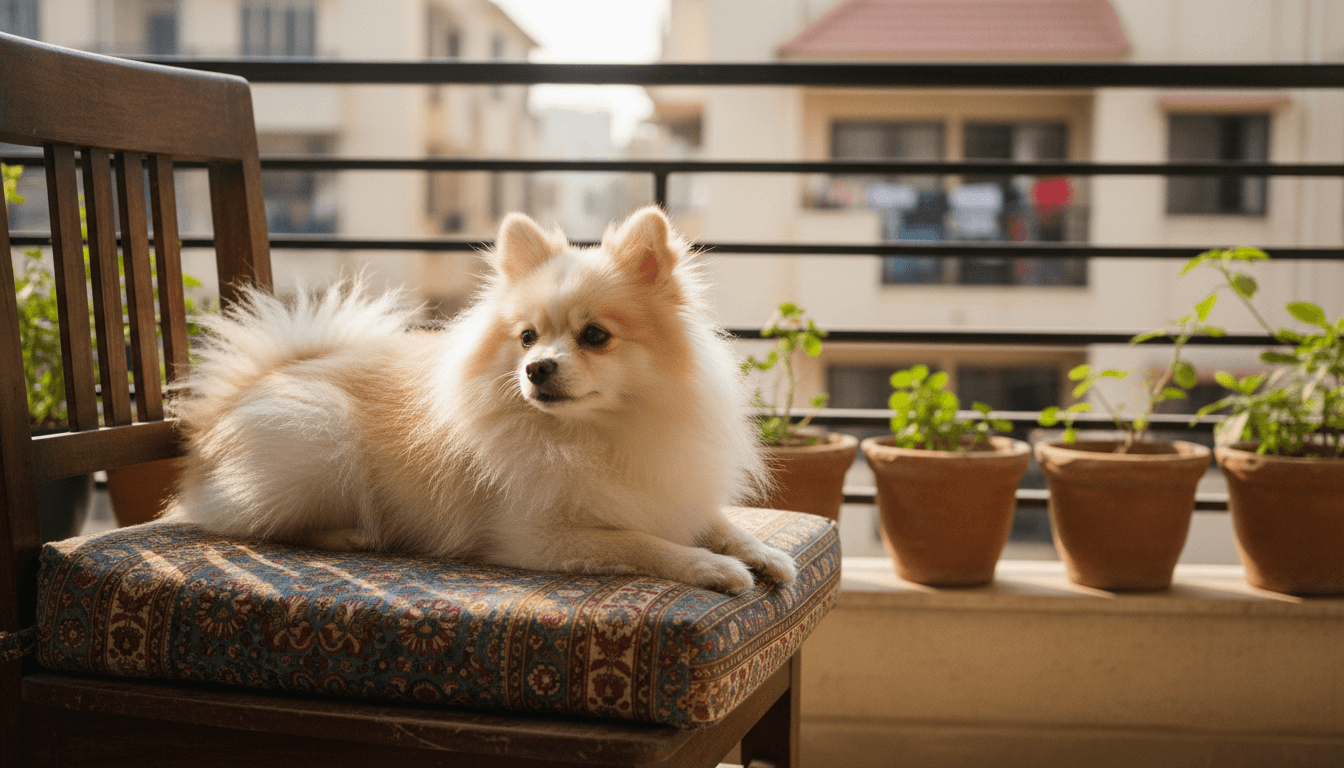
People confuse Indian Spitz dogs with Pomeranians constantly, but they're different breeds with wildly different price tags and health profiles. An Indian Spitz puppy costs Rs 3,000 to Rs 8,000 from breeders in cities like Kolkata, Lucknow, and Jaipur. A Pomeranian of similar size costs Rs 7,000 to Rs 15,000 and handles Indian heat significantly worse.
The Indian Spitz was selectively bred for Indian conditions over decades. Their double coat (yes, it seems counterintuitive) actually insulates them from heat. They thrive in temperatures up to 38 degrees Celsius without AC, though they appreciate a fan and shade during peak summer months in cities like Nagpur and Hyderabad where temperatures cross 40 degrees.
For apartment dwellers, this breed checks most boxes. They weigh 5 to 7 kg, need only 20 to 30 minutes of exercise daily, and bark at strangers (which many Indian flat owners actually want as a security alert). Monthly food costs hover around Rs 1,500 to Rs 2,500 on brands like Drools Daily Nutrition or Pedigree Small Breed.
Training takes more patience compared to Labs or Indies. Indian Spitz dogs have an independent streak. Short, 10-minute training sessions work better than marathon practice. Use small treat rewards, keep commands simple, and avoid punishment-based methods. Read our basic training commands guide for a step-by-step approach.
Beagle: Energetic and Sturdy
Beagles are the breed I recommend when someone says they want a medium-sized dog that can handle Indian weather without constant trips to the vet. Their short coat handles Mumbai's humidity and Delhi's dry heat equally well. A vet at Max Vets in Noida told me Beagles are among the breeds they see least for climate-related issues.
Puppy prices range from Rs 25,000 to Rs 50,000 depending on location and breeder reputation, as reported by Premium Pet House. Monthly maintenance sits between Rs 3,500 and Rs 6,000. Food costs are reasonable because Beagles weigh only 9 to 11 kg, consuming about 250 to 350 grams of kibble daily.
Here's the honest warning: Beagles bark. A lot. They were bred as scent hounds that vocalize to alert hunters, and that instinct doesn't switch off in a Pune apartment. If your housing society has strict noise rules or thin walls separate you from neighbors, this breed will cause complaints. Recall training is also harder with Beagles because their nose overrides their ears once they catch a scent.
Annual vet expenses run Rs 5,000 to Rs 10,000 for preventive care. Common health issues include ear infections (those floppy ears trap moisture during monsoon season) and obesity if overfed. A monthly ear cleaning routine costing Rs 200 for solution and cotton balls prevents most infection problems.
Shih Tzu: The Apartment Specialist
For someone living in a 500 to 700 square foot flat in Mumbai or Bangalore with no yard access, the Shih Tzu deserves serious consideration. They weigh 4 to 7 kg, need only 15 to 20 minutes of exercise daily, and genuinely prefer being indoors. I know a retired couple in Andheri whose Shih Tzu has lived happily in their 550 square foot flat for nine years.
Purchase prices vary: Rs 15,000 to Rs 35,000 from registered breeders, with KCI-certified puppies reaching Rs 50,000 in metro cities. Monthly costs are moderate at Rs 3,000 to Rs 5,000, but grooming is where expenses add up. Professional grooming every 6 to 8 weeks costs Rs 1,500 to Rs 2,500 per session. Learning to groom at home with a Rs 1,200 clipper set from Amazon India or a local pet store saves roughly Rs 12,000 per year.
The heat sensitivity issue needs honest treatment. Shih Tzus originated in Tibet and their flat faces make breathing harder in humid conditions above 32 degrees Celsius. During peak summer in coastal cities like Mumbai and Chennai, they need AC or at least a cooler room. Skip this breed if running AC for four to five months isn't in your budget.
Training is moderate difficulty. They're not as eager to please as a Lab, but they respond well to consistency. House training in an apartment takes 4 to 8 weeks with a Shih Tzu puppy. Use pee pads initially if you live on a higher floor without quick outdoor access.
Cocker Spaniel: The Gentle Playmate
Cocker Spaniels fit somewhere between the energy of a Lab and the compactness of a Shih Tzu. At 12 to 15 kg, they're manageable for most Indian homes. Their temperament leans heavily toward affection. A Cocker Spaniel will follow you from room to room and genuinely sulk if left alone for more than four hours.
Pricing data from Supertails puts Cocker Spaniel puppies at Rs 20,000 to Rs 80,000, with certified breeders in the Rs 35,000 to Rs 70,000 range. Routine vet visits cost Rs 500 to Rs 3,000 per session. Budget Rs 10,000 annually for their health since ear infections hit this breed hard, especially during India's monsoon months from June to September.
Grooming is non-negotiable with a Cocker. Their silky coat mats within days if neglected. Brushing every two days minimum, professional grooming every month. The breed also develops tear stains that need daily cleaning with a damp cotton pad. Total grooming costs run Rs 2,000 to Rs 4,000 monthly.
The separation anxiety tendency makes Cockers a poor match for people who work 10-hour office days. If you work from home or have family members present during the day, this breed thrives. They get along well with children and other pets, making them solid picks for joint family households common across Indian cities.
Pug: Small Space, Big Personality
Pugs became massively popular in India after the Hutch (now Vodafone) advertisements featuring a Pug following a boy everywhere. That ad campaign did Pugs a favor and a disservice. Demand spiked, backyard breeders multiplied, and health problems in the Indian Pug population got worse.
A pet-quality Pug costs Rs 10,000 to Rs 20,000, while KCI-registered puppies can reach Rs 50,000, according to breeder listings tracked by Doggywala. Monthly maintenance falls between Rs 2,000 and Rs 3,000 for food and basics. They eat small portions, typically 150 to 200 grams of kibble daily, so food costs stay low at Rs 1,200 to Rs 1,800 per month on brands like Drools Small Breed or Farmina N&D.
The breathing issue is real and you need to know about it before committing. Pugs are brachycephalic, meaning their shortened skulls compress their airways. In hot, humid conditions above 30 degrees Celsius (that's most of India for six months), they overheat fast. A vet at Cessna Lifeline in Bangalore shared that Pug consultations for breathing difficulty double between March and June every year.
If you live in a hill station like Ooty, Shimla, or Darjeeling, or in a home with reliable AC, Pugs can work. For a first-floor flat in Kolkata without air conditioning, skip this breed entirely. Compare them against French Bulldogs if you're set on a small, flat-faced breed.
Dachshund: The Compact Watchdog
Dachshunds rarely appear on Indian beginner breed lists, which is a shame because they're surprisingly well-suited to Indian apartment life. At 5 to 12 kg (depending on standard or miniature variety), they need minimal space. Their short coat handles Indian heat without air conditioning in most regions except extreme summer zones like Rajasthan's Thar belt.
According to the VOSD breed assessment, Dachshunds tolerate Indian climate well and need moderate exercise. Puppy prices in India range from Rs 8,000 to Rs 20,000 for pet-quality and up to Rs 35,000 for show quality from reputable breeders in Bangalore, Pune, and Delhi.
Dachshunds have one significant health vulnerability: their elongated spine makes them prone to intervertebral disc disease (IVDD). Avoid letting them jump on and off furniture, and use ramps instead. IVDD surgery in India costs Rs 30,000 to Rs 60,000 at specialist clinics like DCC Animal Hospital in Delhi. Prevent the condition by keeping their weight in check and limiting high-impact movement.
Temperament-wise, they're alert and stubborn. Good watchdogs for small homes, they'll bark at every doorbell and delivery person. Training requires consistency and patience. They bond deeply with one or two people, making them ideal for single owners or couples rather than large families. Our obedience training guide covers techniques that work well with stubborn breeds.
Rajapalayam: The Indian Heritage Choice
Including a second Indian breed on this list matters because the Rajapalayam offers something no foreign breed can: complete climate adaptation with a striking appearance. Named after the town of Rajapalayam in Tamil Nadu's Virudhunagar district, this breed was developed for hunting and guarding in southern India's tropical heat.
Rajapalayams weigh 22 to 30 kg, with a lean, muscular build and a distinctive white coat. They're available primarily through breeders in Tamil Nadu and Karnataka, with prices ranging from Rs 5,000 to Rs 15,000. The breed gained recognition when India Post issued a commemorative stamp featuring the Rajapalayam alongside other native breeds in 2005.
For beginners, the Rajapalayam is a conditional recommendation. They're loyal and protective but can be wary of strangers without proper socialization before 16 weeks of age. Start socialization training early: expose them to different people, sounds, and environments during the critical puppy window.
Health advantages are significant. Like the Indian Pariah, Rajapalayams evolved without the inbreeding pressure that causes genetic diseases in popular foreign breeds. Annual vet costs stay low at Rs 3,000 to Rs 6,000 for preventive care. Their short coat needs only weekly brushing and occasional baths. Check our Indian breeds guide for a deeper comparison of all native breeds.
Warning
Breeds to avoid as a first dog in India: Siberian Husky (heat-sensitive, needs 2 hours of exercise, escape artists), Akita (one-person loyalty, can be aggressive), Chow Chow (stubborn and heat-intolerant), Dalmatian (extremely high energy, destructive when bored), and Saint Bernard (built for Swiss Alps, suffers badly in Indian heat above 25 degrees Celsius).
Adopt or Buy: The Real Cost Comparison
Our adoption vs buying guide covers this topic in depth, but here's the quick version for beginners. Adoption from shelters like CUPA Bangalore, Friendicoes Delhi, or IDA Mumbai costs Rs 0 to Rs 5,000, typically including spaying/neutering, initial vaccinations, and a health check. Buying from a registered breeder costs Rs 8,000 to Rs 80,000 depending on breed and certification.
The AWBI's adoption guidelines published on awbi.gov.in specify that shelters must conduct home visits, provide medical records, and allow a trial period before finalizing adoption. This process protects both the dog and the adopter. If a shelter skips these steps, that's a red flag.
From a beginner's perspective, shelter dogs (especially Indies) come with a massive advantage. Most are already partially socialized, some are house-trained, and shelter staff can tell you about the dog's temperament before you commit. A puppy from a breeder is a blank slate requiring 100 percent of the training investment from you.
First-Year Cost Breakdown by Breed Type
According to CarryMyPet's 2025 pet ownership cost analysis, annual dog ownership costs in India range from Rs 30,000 to Rs 1,00,000 depending on breed and city. Here's how first-year costs typically break down for different breed categories.
| Purchase or Adoption | Rs 3,000 to Rs 35,000 | Rs 8,000 to Rs 60,000 |
| Vaccinations (full puppy course) | Rs 1,500 to Rs 3,000 | Rs 2,000 to Rs 4,000 |
| Spaying or Neutering | Rs 3,000 to Rs 6,000 | Rs 5,000 to Rs 10,000 |
| Food (12 months) | Rs 14,000 to Rs 24,000 | Rs 36,000 to Rs 60,000 |
| Accessories (bed, bowls, leash, crate) | Rs 3,000 to Rs 6,000 | Rs 5,000 to Rs 10,000 |
| Grooming (12 months) | Rs 6,000 to Rs 24,000 | Rs 4,000 to Rs 12,000 |
| Vet checkups (4 visits) | Rs 1,200 to Rs 4,000 | Rs 1,200 to Rs 4,000 |
| Total First Year | Rs 31,700 to Rs 1,02,000 | Rs 61,200 to Rs 1,60,000 |
These numbers assume you're in a tier-1 city. Vet costs in places like Indore, Bhopal, and Coimbatore run 30 to 40 percent lower than Mumbai or Delhi. The vet costs guide on our site breaks down city-specific pricing.
Climate and Living Space: Matching Your Reality
India's climate varies drastically. A breed that thrives in Bangalore's 22 to 34 degree Celsius range might struggle in Varanasi's 46 degree summers or Shillong's 5 degree winters. Your flat size matters too. Here's a practical match guide.
| Small flat (under 600 sqft), no AC | Indian Pariah, Indian Spitz, Dachshund | Golden Retriever, Labrador, Pug |
| Medium flat (600-1000 sqft), AC available | Any breed on this list | Husky, Saint Bernard |
| Independent house with yard | Labrador, Golden Retriever, Rajapalayam, Beagle | Breeds prone to escaping: Beagle (if yard is not fenced) |
| Hot climate (40+ degrees Celsius) | Indian Pariah, Indian Spitz, Dachshund, Rajapalayam | Pug, Shih Tzu, any brachycephalic breed |
| Humid coastal (Mumbai, Chennai, Kochi) | Indian Pariah, Labrador, Beagle | Shih Tzu, Pug, Cocker Spaniel |
The breeds for hot climate guide on our site goes deeper into heat tolerance data for 20 breeds. If you live in a city apartment, that guide filters specifically for space constraints.
Five Mistakes That Send First Dogs to Shelters
Shelter workers at CUPA Bangalore and Friendicoes Delhi report the same pattern. First-time owners surrender dogs within 6 to 18 months because of preventable problems. Here are the five that come up most.
Picking a breed for looks instead of lifestyle compatibility is mistake number one. That Husky puppy on Instagram is adorable until it destroys your shoes, digs through your balcony garden, and howls at 3 AM because it hasn't run enough. Second: underestimating the financial commitment. A large breed dog costs Rs 5,000 to Rs 9,000 per month in food, vet care, and grooming. If your monthly budget can't absorb that, choose a smaller or lower-maintenance breed.
Skipping early socialization ranks third. Puppies need exposure to different people, dogs, sounds, and environments between 3 and 16 weeks of age. Miss that window and behavioral problems compound. A puppy socialization schedule prevents most aggression and fear issues.
Fourth: not researching climate suitability. Foreign breeds bred for cold climates genuinely suffer in Indian heat. It's not a minor inconvenience. It's chronic discomfort that shows up as skin infections, breathing problems, and lethargy. The AVMA's heat safety guidelines apply doubly in Indian conditions.
The fifth mistake is skipping the new pet checklist entirely: no vet selected before the dog arrives, no supplies purchased, no house-proofing done. Preparation takes one weekend. The consequence of skipping it takes months to undo.
Frequently Asked Questions
Your Next Steps
Choosing your first dog doesn't need to be complicated. Match the breed to your living space, your city's climate, and your honest monthly budget. If you're unsure, start with an Indian Pariah from a reputable shelter. They're the lowest risk, lowest cost, and highest reward option for Indian beginners.
Once you've decided on a breed, work through our new pet checklist before the dog comes home. Line up a vet using our how to choose a vet guide, stock up on supplies, and block out the first week for bonding and initial house training. Your first dog deserves a prepared home, not a panicked owner figuring things out on day one.