Key Takeaways
- Following behavior is neurologically hardwired through 15,000-plus years of co-evolution; a 2015 Science study confirmed mutual gazing triggers oxytocin release in both dogs and owners.
- Only 17 to 20 percent of dogs have clinical separation anxiety. The home test: if your dog eats within 15 minutes of you leaving, clinical SA is unlikely.
- Your dog has no cognitive framework for privacy. A closing bathroom door is processed identically to a departure event, activating the same monitoring instinct as you leaving the house.
- Indian Labradors, Indian Spitz, and post-COVID adoption dogs show the highest following intensity. Mudhol Hounds and Rajapalayam are among the least velcro Indian breeds.
- Sudden-onset following in dogs over 8 years old is a medical flag for Canine Cognitive Dysfunction Syndrome, not a behavioral problem.
- Shifting 70 percent of your affection to moments when your dog is settled away from you rewires the following habit within 3 to 4 weeks.

The Oxytocin Loop: What 15,000 Years of Co-Evolution Wired Into Every Shadowing Behavior
A landmark 2015 study published in Science by Nagasawa et al. found that mutual gazing between dogs and their owners triggers oxytocin release in both species. This is the same neurochemical that bonds human mothers to their newborns. Dogs that exhibited more owner-directed gaze showed significantly higher oxytocin levels and, critically, significantly more following and proximity-seeking behavior throughout the day. Your dog is not simply fond of you. Chemically, they are bonded to you.
The evolutionary backstory runs deep. Brian Hare's 2002 research in Science demonstrated that dogs outperform chimpanzees and even hand-raised wolves at interpreting human pointing gestures. This ability was not trained into dogs. It emerged from 15,000 to 33,000 years of living alongside humans, hardwiring domestic dogs to continuously monitor their human's location and intentions. Following you from room to room is the behavioral output of a brain that was literally shaped around tracking you.
For India, the Indian Pariah Dog (INDog) makes this history concrete. One of the oldest domesticated dog populations on Earth, INDogs have lived on the Indian subcontinent for over 15,000 years. Despite a largely semi-feral existence, they readily imprint on human caregivers once adopted and show strong following behavior from day one in a new home. The domestication-driven following instinct is not a Western purebred trait. It is a deeply ancient cross-cultural adaptation present across every dog on this continent.
Positive reinforcement history sustains this behavior on a daily basis. Every time you have fed, petted, or played with your dog in response to their proximity, their brain logged a clear association: being near this human produces good outcomes. Over thousands of such repetitions, this conditioning becomes as robust as any formally trained behavior and operates largely below your conscious awareness.
For more on emergency contacts resources u2014 directory, see our emergency contacts resources u2014 directory guide.
Velcro Dog vs. Separation Anxiety: The Clinical Difference That Determines Whether You Need Training or a Vet
The distinction matters enormously for treatment. Separation anxiety is classified as a genuine panic disorder. The AVMA's guidance on separation anxiety in dogs notes it affects approximately 17 to 20 percent of dogs, and requires structured counter-conditioning rather than punishment. The diagnostic threshold is crossed when dogs show destructive behavior targeting exit points like doors and windows, self-injury from escape attempts, indoor elimination despite being housetrained, or physiological distress signs like hypersalivation and panting that begin before the owner has even departed.
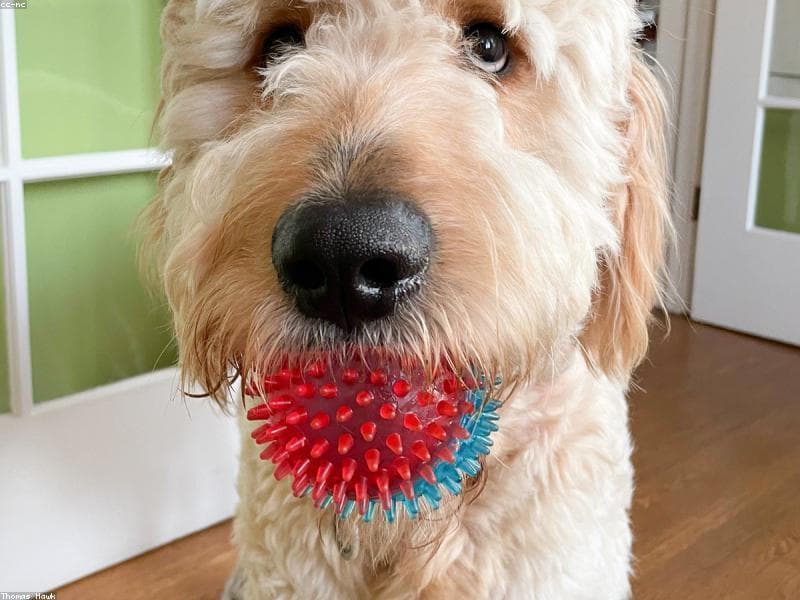
A true velcro dog looks entirely different. If your dog follows you to every room but settles calmly within 10 to 15 minutes of your departure, they do not meet clinical criteria for separation anxiety. The most reliable home test is straightforward: can your dog eat food or engage with a toy within 15 minutes of you leaving? If yes, clinical separation anxiety is unlikely. What you have is a strong social preference, which is normal and healthy.
Simulated separation anxiety complicates the picture. A dog that destroys furniture or barks only when a specific owner is absent but settles normally with a pet sitter, in boarding, or with another household member does not have true separation anxiety. VCA Animal Hospitals protocol distinguishes these cases clearly because treatment approaches differ entirely. Behavior modification addresses simulated cases. True separation anxiety typically requires counter-conditioning plus veterinary medication. For a detailed India-specific protocol, see our guide on separation anxiety in dogs in India.
Post-COVID India created a separation anxiety wave that veterinary practices in Mumbai, Bengaluru, and Delhi documented directly. Dogs adopted during 2020 to 2021 lockdowns spent their entire developmental period in constant human company. When owners returned to offices in 2022 and 2023, these dogs that had never experienced alone-time were suddenly left for 8 to 10 hours daily. Veterinary reports from those cities describe separation anxiety cases roughly doubling during this office-return transition.
Breed choice sets the baseline for susceptibility. Labrador Retrievers, India's most popular purebred, were bred over 300-plus years for constant proximity to human handlers. Separation anxiety in Labradors is a predictable genetic outcome, not a training failure. Indian Spitz, common in Tier 2 and Tier 3 city apartments, experience genuine distress when out of visual contact with their person. At the independent end sit Mudhol Hounds and Rajapalayam, South Indian sighthound breeds designed for independent hunting that show significantly more self-sufficiency when left alone.
For more on get new puppy u2014 checklist, see our get new puppy u2014 checklist guide.
For more on drools good food? honest, see our drools good food? honest guide.
Velcro Dog vs. Separation Anxiety: How to Tell the Difference
| Signal | Velcro Dog (Normal) | Separation Anxiety (Clinical) |
|---|---|---|
| Follows everywhere inside home | Yes | Yes |
| Settles after owner leaves | Within 10 to 15 minutes | Cannot settle; behavior escalates |
| Destructive behavior when alone | No | Yes, targeted at doors and windows |
| Indoor accidents in housetrained dog | No | Yes |
| Eats or plays within 15 min of departure | Yes | No |
| Panting or drooling before owner leaves | No | Yes, pre-departure stress response |
| Behaves normally with any human present | Yes | Yes (distinguishes true SA from simulated) |
| Primary treatment | Optional independence training | Behavioral modification plus possible medication |
The Bathroom Problem: Why Your Dog Cannot Compute the Concept of 'Privacy' and What This Reveals About Canine Cognition
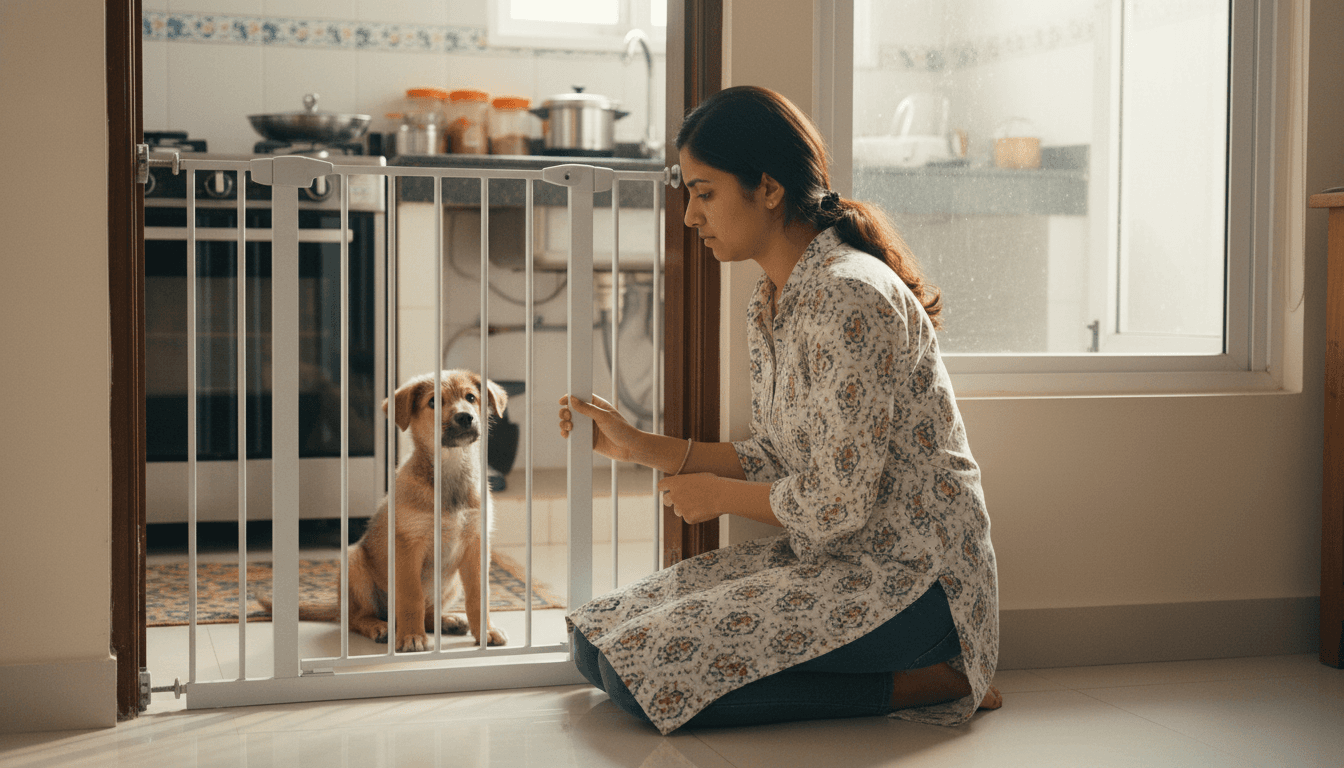
Dogs have no neurological framework for privacy. In a natural canine social group, no individual ever disappears behind a closed door into an isolated space. From your dog's cognitive model, a closing bathroom door registers as functionally identical to you stepping out of the house: a separation event that activates their monitoring instinct to verify your location and safety.
The olfactory dimension makes bathrooms specifically compelling. Dogs carry approximately 300 million olfactory receptors versus 6 million in humans. The bathroom is typically the highest scent-concentration room in any Indian home, accumulating sweat, skin cells, hair, and personal hygiene products. For your dog, following you there is partly an olfactory investigation of their primary subject of interest. The scent density in bathrooms can actually calm anxious dogs even when their owner is not physically present.
Rescue dogs in India, including INDogs adopted from shelters or off the street, exhibit bathroom-following at statistically higher rates than dogs raised from puppyhood in their current home. Abandonment is a concrete lived experience for these dogs, not a theoretical risk. A closing door is a real trigger for a dog whose history includes being left behind, making the behavior both predictable and understandable from a veterinary behavior standpoint.
Indian bathroom design adds a seasonal layer worth recognizing. Wet bathrooms with tiled floors often become the warmest room in a home during winter months (November through February) because of hot water infrastructure. Dogs following owners into bathrooms during these cooler months are frequently motivated partly by warmth-seeking, not attachment anxiety. Identifying the root motivation matters for choosing an appropriate and targeted response.
For more on traveling india, see our traveling india guide.
For more on keep husky chennai? realistic, see our keep husky chennai? realistic guide.
For more on beds 2026 — buying size, see our beds 2026 — buying size guide.
The 15-Minute Departure Test
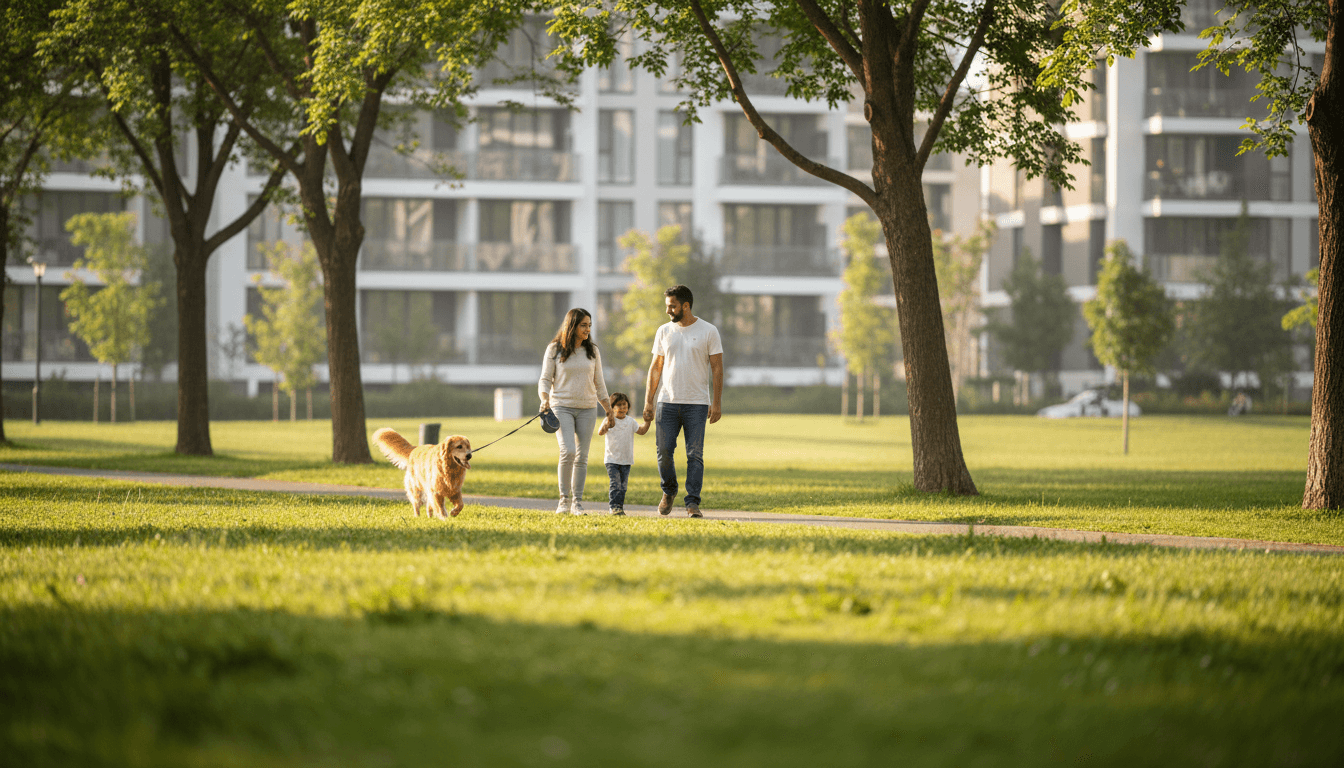
Before assuming your dog has separation anxiety, leave home for 15 minutes and ask a neighbor to observe through a window, or set up a phone camera. If your dog eats, settles, or interacts with a toy within that window, you have a velcro dog with a strong social preference, not clinical separation anxiety. The difference determines whether you need a trainer or a veterinary behaviorist. In Indian cities, veterinary behavioral consultations are available at multi-specialty clinics in Mumbai, Delhi, Bengaluru, and Hyderabad; expect to pay approximately Rs. 1,500 to 3,500 per session. For more on flying india, see our flying india guide. You might also find our ultimate traveling dogs — train, guide helpful.
The Indian Household Factor: How Climate, Joint Families, and Breed Choices Create Uniquely Intense Following Patterns
India's summer climate produces following behavior that has nothing to do with anxiety. Cities including Delhi, Hyderabad, Nagpur, and interior Maharashtra regularly see temperatures above 40 degrees Celsius from March through June. Dogs instinctively track their owners to air-conditioned rooms during these months, producing what looks like intensified velcro behavior but is largely thermoregulation. A normally independent dog can appear extremely attached in May and return to baseline once temperatures drop in October.
Joint family households generate following hierarchies unique to Indian domestic life. Dogs in multigenerational homes frequently develop differentiated following relationships with different family members: the person who provides breakfast, the person who gives walks, the elderly grandparent who is home all day. Canine attachment research distinguishes between the caregiver (who feeds) and the attachment figure (the primary bond). In Indian joint families, these are often different people, creating layered following patterns that shift predictably across the day and week.
Labrador Retrievers in India present a specific case that deserves clarity. Bred over 300-plus years as fishing boat and hunting field companions requiring constant proximity to their human handlers, their breed standard explicitly describes them as people-oriented. Indian Labrador owners who try to train away following behavior are working against the grain of three centuries of selective breeding, not correcting a behavioral abnormality.
Households with domestic help, including maids, cooks, or security staff, create a split-following dynamic that confuses many pet owners. Dogs often shadow the domestic help during the day because of food association, then shift to following the homeowner during evenings and weekends because of attachment association. This is not disloyalty. It is rational resource-tracking behavior fully consistent with how dogs evolved to move through complex social groups.
For more on neuter india? benefits costs, see our neuter india? benefits costs guide.
For more on mumbai, see our mumbai guide.
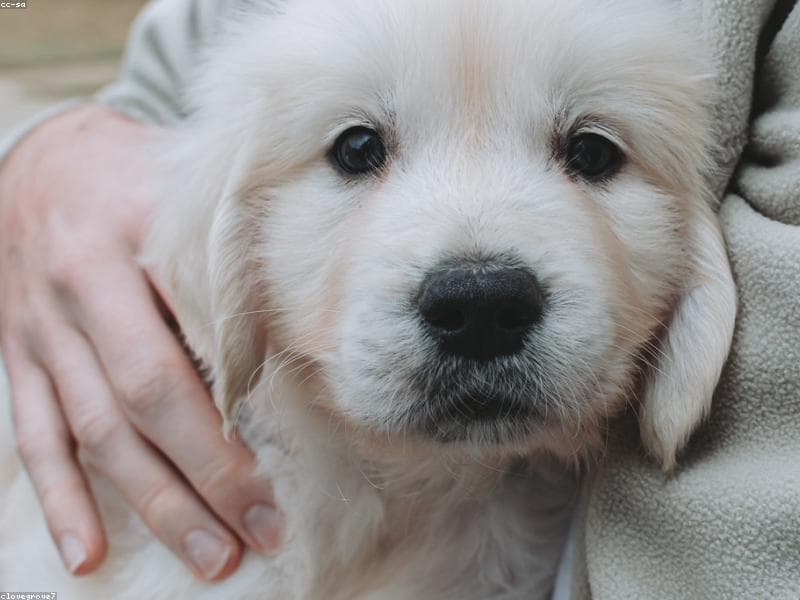
When Following Turns Into a Medical Signal: Rule Out Pain, Dementia, and Vision Loss Before Calling It Behavioral
Canine Cognitive Dysfunction Syndrome (CCDS), the canine equivalent of Alzheimer's disease, affects an estimated 14 to 28 percent of dogs over age 8 and more than 50 percent by age 15. Research published on PubMed confirms cognitive dysfunction is one of the leading behavioural causes of sudden clinginess in senior dogs. A key early symptom is sudden-onset clinginess and following in a dog that was previously independent. Any dog over 8 years old that abruptly begins shadowing room-to-room when this was not their established pattern warrants veterinary evaluation within two weeks, not a training protocol.
Pain drives proximity-seeking as powerfully as any behavioral cause. Dogs experiencing arthritis, dental disease, pancreatitis, or internal conditions frequently seek their owner's physical presence as a comfort response. Pain-driven following announces itself through accompanying signals: inability to settle (cycling repeatedly through sitting, standing, and lying down), whimpering, abnormal posture, reluctance to eat, or visible limping. Following behavior paired with any of these signals requires urgent veterinary attention.
Vision loss accounts for a subset of intensified following that is frequently misidentified as anxiety. Progressive retinal atrophy and cataracts are common in Indian Labrador Retrievers, Cocker Spaniels, and Pugs due to breed predisposition. A dog losing their sight uses their owner as a moving landmark to move through the home safely. Attempting to train away this following without addressing the underlying vision condition is counterproductive and can increase the dog's disorientation.
Hypothyroidism is underdiagnosed in Indian dogs, particularly Dobermans, Golden Retrievers, and Cocker Spaniels. Behavioral signs include increased anxiety and clingy following alongside lethargy, unexplained weight gain, and coat thinning. A T4 blood panel at Indian diagnostic labs costs approximately Rs. 800 to 1,200. If the result is positive, treatment with levothyroxine typically reverses the behavioral symptoms within 6 to 8 weeks.
India's monsoon season (June through September) and Diwali fireworks (October through November) are the two highest-risk periods for noise-phobia-driven velcro behavior. Dogs with noise phobia follow their owners intensely during these events as a fear-driven grounding response. This is temporary and normal. If clingy behavior persists more than 3 to 5 days after the noise event ends, it has transitioned from a fear response to conditioned following and warrants a behavioral consultation.
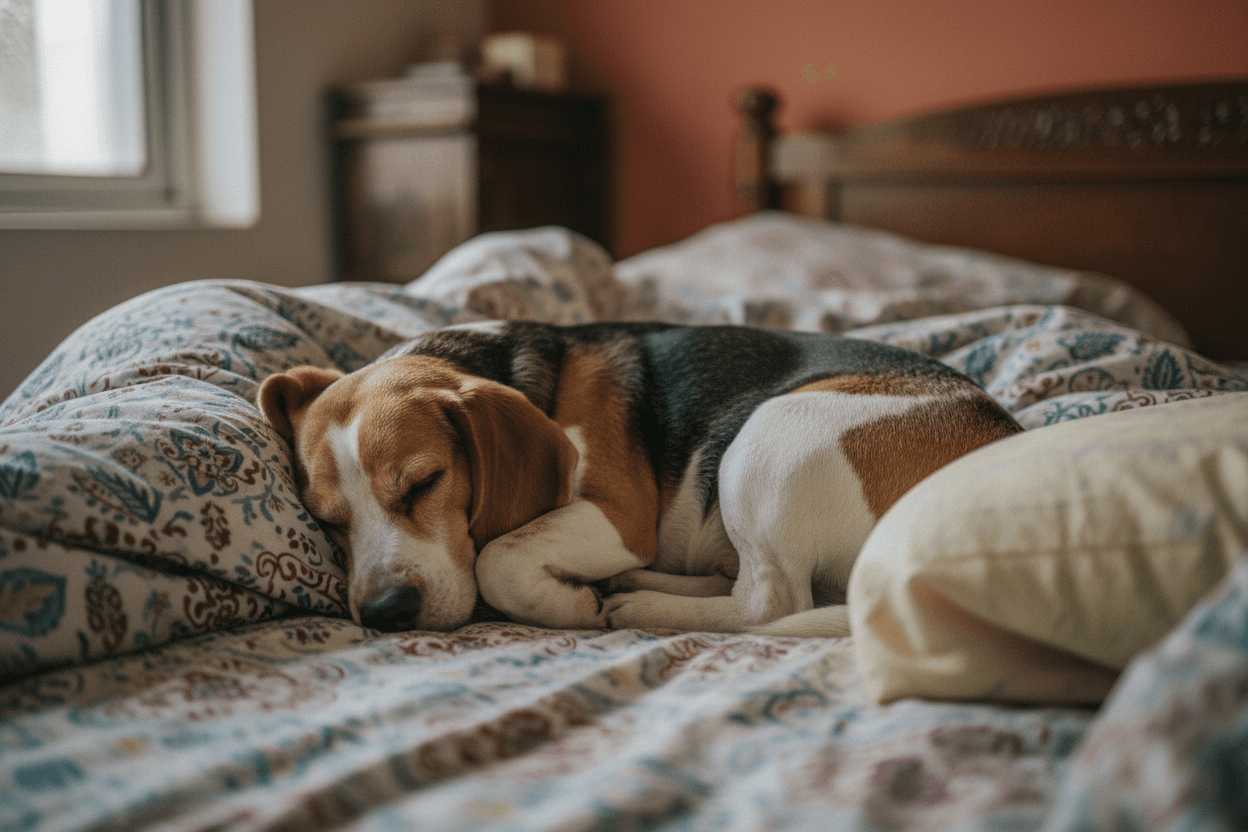
Rewiring the Shadow: A Science-Based Protocol for Building Independence Without Destroying the Bond
Systematic desensitization is the evidence-based gold standard for reducing excessive following. The protocol involves exposing your dog to progressively longer separations, starting with absences of 5 to 10 seconds and building over 4 to 8 weeks. The critical rule: return before your dog shows distress. Each calm successful separation builds genuine confidence. Each panicked reunion reinforces anxiety and resets progress, so consistency of timing on every exit matters as much as consistency on every return. Punishing or ignoring a dog for following does not reduce the behavior. Research consistently confirms it increases anxiety and typically produces more intense following or displacement behaviors like whining and pacing. Teaching a dedicated 'place' cue is the evidence-based alternative: the dog goes to a designated mat and remains for increasing durations. This builds a competing behavior with its own reinforcement history rather than simply suppressing an instinct with no replacement behavior offered. Olfactory enrichment reduces following more effectively than physical exercise alone in highly anxious dogs. Sniff mats, scatter feeding, and food puzzle toys activate the scent-processing system and produce a calming neurological response. For Indian dog owners, effective and affordable puzzle-toy stuffing options include cooked chicken, plain curd (dahi), mashed sweet potato, and banana. All are widely available at Indian grocery markets and safe for dogs to consume regularly. For clinical separation anxiety, veterinary medication is often necessary alongside behavioral modification, not as a replacement for it. Generic fluoxetine and clomipramine are the two primary medications used in Indian veterinary practice for this condition. Generic fluoxetine is available at Indian veterinary pharmacies for approximately Rs. 15 to 25 per tablet. Medication without concurrent behavioral modification carries a high relapse rate once discontinued, which is why both components must run simultaneously. The most powerful long-term tool is selectively reinforcing calm, self-directed behavior. Most Indian dog owners inadvertently sustain following by providing affection every time their dog approaches them. Shifting 70 percent of petting and praise to moments when your dog is settled in a separate space, unprompted by you, builds a competing reinforcement history within 3 to 4 weeks that gradually weakens the following habit without weakening the bond. For more on apartments india u2014 breeds ranked, see our apartments india u2014 breeds ranked guide. You'll find good options at Delhi dog kennel | puppies for sale in delhi | dog sale in delhi | pet shop near me | poodle puppy | shihzu in Rashid Market, Geeta Colony, Delhi — rated 5.0/5 by pet owners. You'll find good options at Dr. Palampalle's Pet Care Clinic in Pratikhsha Nagar, Sion East, Sion, Mumbai — rated 5.0/5 by pet owners.
You'll find good options like Delhi dog kennel | puppies for sale in delhi | dog sale in delhi | pet shop near me | poodle puppy | shihzu in Rashid Market, Geeta Colony — rated 5.0/5. Check our pet stores in Delhi directory for more choices near you.
You'll find good options like Dr. Palampalle's Pet Care Clinic in Pratikhsha Nagar, Sion East, Sion — rated 5.0/5. Check our pet stores in Mumbai directory for more choices near you.