Introduction: Learning from Others' Mistakes
Learning from Others' Mistakes is an important topic for dog owners across India. Whether you live in a bustling metro like Mumbai or Delhi, or in a quieter city like Pune or Jaipur, understanding this subject helps you provide the best possible care for your furry companion.
India's unique climate, diverse living conditions, and growing pet care industry mean that dog owners face specific challenges and opportunities. This guide covers everything you need to know, with practical advice tailored to Indian conditions including costs in INR, local brand recommendations, and city-specific tips.
With over 30 million pet dogs in India and the pet care market growing at 15-20% annually, more resources and services are becoming available to help you care for your dog. Let's explore what you need to know.
Top 5 Costliest Mistakes (By Impact)
1. **Skipping vaccinations**: Parvovirus treatment ₹20,000-₹80,000 vs vaccination ₹3,000 | 2. **Feeding human food**: Pancreatitis treatment ₹15,000-₹40,000 | 3. **No socialization**: Behavioral training ₹10,000-₹50,000 later | 4. **Delaying vet for 'minor' issues**: Simple infection ₹2,000 becomes surgery ₹25,000+ | 5. **Buying from puppy mills**: Genetic health issues cost ₹50,000-₹3,00,000 lifetime
Mistake 1: Skipping or Delaying Vaccinations
The Mistake:
Mistake 2: Feeding Human Food and Table Scraps
Mistake 2: Feeding Human Food and Table Scraps is an important aspect of responsible dog ownership in India. With the country's diverse climate zones and living conditions, Indian pet owners need to be particularly attentive to this area of care.
Veterinarians across India recommend paying close attention to this aspect of your dog's care. Regular monitoring and proactive measures can prevent many common issues that Indian dogs face, especially during extreme weather seasons.
Whether you're a first-time dog owner or an experienced pet parent, staying informed about the latest recommendations helps you make the best decisions for your furry family member.
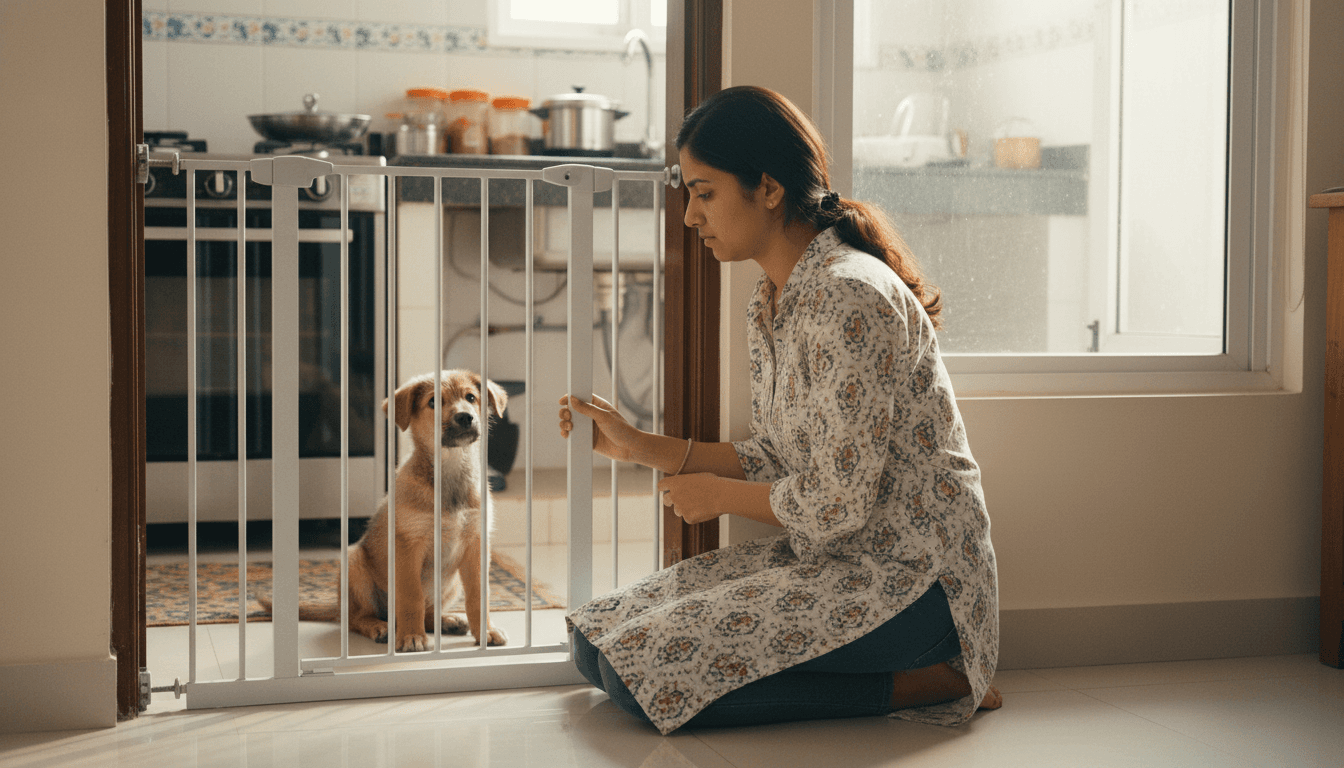
Foods That Kill Dogs (Common in Indian Homes)
🚫 **NEVER FEED:** Chocolate, grapes/raisins, onions, garlic, xylitol (sugar-free items), alcohol, caffeine, macadamia nuts, avocado, cooked bones, fatty meat, spicy food, raw dough. Even SMALL amounts can be fatal. Not worth the risk for your 'food-motivated' dog.
Mistake 4: Inconsistent or No Training
Mistake 4: Inconsistent or No Training is an important aspect of responsible dog ownership in India. With the country's diverse climate zones and living conditions, Indian pet owners need to be particularly attentive to this area of care.
Veterinarians across India recommend paying close attention to this aspect of your dog's care. Regular monitoring and proactive measures can prevent many common issues that Indian dogs face, especially during extreme weather seasons.
Whether you're a first-time dog owner or an experienced pet parent, staying informed about the latest recommendations helps you make the best decisions for your furry family member.
5-Minute Daily Training Routine
**Morning (5 min):** Sit before breakfast, practice 'stay' while bowl goes down, 3 minutes leash walking in hallway. **Evening (5 min):** Recall practice (come when called), 'leave it' with treats, trick training (shake, spin). **Bedtime (5 min):** Gentle handling (touch paws, ears), crate routine, 'settle' command. Total: 15 min/day = obedient dog in 3 months.
Mistake 5: Buying from Puppy Mills or Backyard Breeders
India is home to several remarkable native dog breeds, each adapted to the local climate and conditions. Indian breeds like the Indian Pariah Dog (INDog), Rajapalayam, Mudhol Hound, and Chippiparai are well-suited to Indian weather and generally have fewer health issues compared to some imported breeds.
When choosing a breed, consider your living space, lifestyle, local climate, and the time you can dedicate to exercise and grooming. Dogs in Indian apartments need different care than those in independent houses with yards.
- Indian Pariah Dogs: Hardy, low-maintenance, excellent immunity
- Labradors and Golden Retrievers: Popular but need AC in summer
- German Shepherds: Active, need space and regular exercise
- Pugs and Shih Tzus: Apartment-friendly but prone to breathing issues in heat
- Beagles: Energetic, great with families, moderate grooming needs
Mistake 6: Ignoring Dental Care
Mistake 6: Ignoring Dental Care is an important aspect of responsible dog ownership in India. With the country's diverse climate zones and living conditions, Indian pet owners need to be particularly attentive to this area of care.
Veterinarians across India recommend paying close attention to this aspect of your dog's care. Regular monitoring and proactive measures can prevent many common issues that Indian dogs face, especially during extreme weather seasons.
Whether you're a first-time dog owner or an experienced pet parent, staying informed about the latest recommendations helps you make the best decisions for your furry family member.
Signs of Dental Disease (Don't Ignore)
🚨 **See vet if:** Bad breath (not just 'dog breath'—strong, foul odor), drooling, pawing at mouth, difficulty chewing, dropping food, bleeding gums, swollen face, reluctance to eat hard food, yellow/brown teeth. Dental infections spread to bloodstream, causing heart and kidney failure. Not just a 'cosmetic' issue—it's health crisis.
Mistake 7: No Emergency Fund or Pet Insurance
Mistake 7: No Emergency Fund or Pet Insurance is an important aspect of responsible dog ownership in India. With the country's diverse climate zones and living conditions, Indian pet owners need to be particularly attentive to this area of care.
Veterinarians across India recommend paying close attention to this aspect of your dog's care. Regular monitoring and proactive measures can prevent many common issues that Indian dogs face, especially during extreme weather seasons.
Whether you're a first-time dog owner or an experienced pet parent, staying informed about the latest recommendations helps you make the best decisions for your furry family member.
Mistake 8: Overfeeding and Obesity
Mistake 8: Overfeeding and Obesity is an important aspect of responsible dog ownership in India. With the country's diverse climate zones and living conditions, Indian pet owners need to be particularly attentive to this area of care.
Veterinarians across India recommend paying close attention to this aspect of your dog's care. Regular monitoring and proactive measures can prevent many common issues that Indian dogs face, especially during extreme weather seasons.
Whether you're a first-time dog owner or an experienced pet parent, staying informed about the latest recommendations helps you make the best decisions for your furry family member.
Treat Math (Owners Never Do This Calculation)
**Example:** 10kg dog needs ~400 calories/day. ONE chicken leg = 100 calories (25% of daily intake). TEN training treats = 50 calories (12.5%). ONE chapati = 70 calories (17.5%). TOTAL from 'just little treats' = 55% of daily calories! Must SUBTRACT from main meals or dog becomes obese.
Mistake 9: Delaying Vet Visits for 'Small' Issues
Mistake 9: Delaying Vet Visits for 'Small' Issues is an important aspect of responsible dog ownership in India. With the country's diverse climate zones and living conditions, Indian pet owners need to be particularly attentive to this area of care.
Veterinarians across India recommend paying close attention to this aspect of your dog's care. Regular monitoring and proactive measures can prevent many common issues that Indian dogs face, especially during extreme weather seasons.
Whether you're a first-time dog owner or an experienced pet parent, staying informed about the latest recommendations helps you make the best decisions for your furry family member.
Mistake 10: Unrealistic Expectations from Breed
India is home to several remarkable native dog breeds, each adapted to the local climate and conditions. Indian breeds like the Indian Pariah Dog (INDog), Rajapalayam, Mudhol Hound, and Chippiparai are well-suited to Indian weather and generally have fewer health issues compared to some imported breeds.
When choosing a breed, consider your living space, lifestyle, local climate, and the time you can dedicate to exercise and grooming. Dogs in Indian apartments need different care than those in independent houses with yards.
- Indian Pariah Dogs: Hardy, low-maintenance, excellent immunity
- Labradors and Golden Retrievers: Popular but need AC in summer
- German Shepherds: Active, need space and regular exercise
- Pugs and Shih Tzus: Apartment-friendly but prone to breathing issues in heat
- Beagles: Energetic, great with families, moderate grooming needs
Best Breeds for Indian First-Time Owners
**Top Recommendations:** (1) **Indian Pariah Dog (Indie)**—Heat-tolerant, healthy, intelligent, low-maintenance. Rescue free, breeder ₹5,000-₹15,000. (2) **Labrador Retriever**—Friendly, trainable, adaptable. Needs exercise. ₹15,000-₹40,000. (3) **Beagle**—Medium energy, compact, good with kids. ₹15,000-₹35,000. (4) **Golden Retriever**—Gentle, trainable, family-friendly. Needs space + exercise. ₹20,000-₹50,000. (5) **Cocker Spaniel**—Moderate size, friendly, apartment-suitable. ₹20,000-₹40,000.
Frequently Asked Questions
Frequently Asked Questions is an important aspect of responsible dog ownership in India. With the country's diverse climate zones and living conditions, Indian pet owners need to be particularly attentive to this area of care.
Veterinarians across India recommend paying close attention to this aspect of your dog's care. Regular monitoring and proactive measures can prevent many common issues that Indian dogs face, especially during extreme weather seasons.
Whether you're a first-time dog owner or an experienced pet parent, staying informed about the latest recommendations helps you make the best decisions for your furry family member.
Frequently Asked Questions
What is the biggest mistake new pet owners make?
Skipping or delaying vaccinations. 40% of Indian puppies die before 6 months from preventable diseases (parvovirus, distemper). Vaccination costs ₹3,000-₹6,000 first year. Parvo treatment costs ₹20,000-₹80,000 with 50% survival rate. Many owners think 'indoor dogs don't need vaccines' or delay due to cost—both deadly mistakes. Parvo is brought in on shoes and survives in environment for months.
How can I fix mistakes I've already made with my dog?
Most mistakes are fixable with time and effort: (1) Late socialization: Enroll in positive reinforcement training class, work with certified behaviorist, gradual exposure with treats. (2) Overfeeding: Switch to weight management food, reduce portions by 10-25%, increase exercise. (3) No dental care: Start brushing now (gradual introduction), schedule professional cleaning. (4) Inconsistent training: Family meeting to establish rules, everyone enforces consistently, 2-week reset. (5) Delayed vet care: Make appointment NOW for checkup, commit to annual wellness exams.
Is it too late to train my 2-year-old dog who wasn't trained as a puppy?
No, absolutely not too late. Old saying 'can't teach old dog new tricks' is FALSE. Adult dogs learn just fine—often faster than puppies (better attention span). Differences: (1) Breaking bad habits takes longer than preventing them (2-3 months vs 2-3 weeks), (2) May need professional trainer for ingrained behaviors, (3) Requires more patience and consistency. Success stories abound of 5-10 year old dogs learning complete obedience after lifetime of no training. Cost: Professional trainer ₹8,000-₹25,000 for 8-week program.
How much should I budget for a dog's first year?
Honest budget (many first-time owners underestimate): Purchase/adoption: ₹0-₹1,00,000 (breed-dependent) | Initial supplies (crate, bowls, toys, leash): ₹5,000-₹15,000 | Vaccinations (3 doses + rabies): ₹3,000-₹6,000 | Deworming (4x first year): ₹800-₹2,000 | Spay/neuter (6-9 months): ₹3,000-₹12,000 | Food: ₹18,000-₹50,000 (₹1,500-₹4,000/month) | Flea/tick prevention: ₹4,000-₹12,000 | Routine vet visits: ₹3,000-₹8,000 | Training class: ₹5,000-₹15,000 | Emergency fund: ₹20,000-₹50,000 | Unexpected (illness, damage): ₹10,000-₹50,000 | TOTAL: ₹70,000-₹3,20,000. Small breeds lower end, large breeds upper end. Don't underbudget—causes stress and delays necessary care.
Should I get pet insurance in India?
Pros: Covers accidents/illness (₹20k-₹2L claims), some include annual checkups, peace of mind. Cost: ₹5,000-₹20,000/year. Cons: Pre-existing conditions excluded (must buy before 12 weeks), waiting periods (30-90 days), breed restrictions, claim approval can be slow. Verdict: Worth it if: (1) Expensive breed prone to health issues (Labrador hip dysplasia, Golden Retriever cancer, German Shepherd), (2) Can't afford ₹50,000+ emergency, (3) Buy BEFORE 12 weeks (no pre-existing exclusions). Alternative: Self-insurance—save ₹5,000-₹10,000/month in dedicated account (can use for non-covered expenses like dental, grooming).
What are signs I chose the wrong breed for my lifestyle?
Red flags: (1) Dog is destructive despite adequate toys (under-exercised), (2) Excessive barking/whining (boredom), (3) Hyperactivity that never settles (high-energy breed, low-activity owner), (4) Heat stress in Indian summers (wrong breed for climate), (5) You dread walks/training (mismatch in energy/time commitment), (6) Grooming is nightmare (underestimated maintenance), (7) Dog is aggressive/fearful (didn't research temperament). Fix attempts: Increase exercise 2-3x, hire dog walker (₹3,000-₹8,000/month), daycare 2-3x/week (₹500-₹1,200/day), training class. If still not working: Honest conversation—is rehoming better for dog?
How do I know if my dog is overweight?
Three-point check: (1) **Rib test**: Run hands along sides—should easily feel ribs without pressing hard. Can't feel ribs = overweight. Ribs visible = underweight. (2) **Waist check**: Look from above—should see clear waist behind ribs. No waist = overweight. (3) **Tuck check**: View from side—abdomen should tuck up behind ribcage. Sagging belly = overweight. Breeds vary but general rule: Ribs palpable but not visible.
Can I feed my dog homemade food instead of commercial dog food?
Technically yes, practically difficult. Challenges: (1) Nutritional balance is HARD—calcium, vitamins, minerals need precise ratios. Imbalances cause growth deformities in puppies, deficiencies in adults. (2) Time-consuming—daily cooking, meal prep. (3) Expensive if done right—quality meat, supplements cost more than premium kibble. (4) Risk of toxic ingredients if not educated (onions, garlic common in Indian cooking). If you insist: MUST consult vet nutritionist (₹3,000-₹8,000 consultation) for formulated recipe. Add supplements (calcium, vitamins). Cost: ₹3,000-₹6,000/month for balanced homemade (vs ₹2,000-₹4,000 premium kibble).
Conclusion: Learn, Fix, and Move Forward
Taking proper care of your dog is a rewarding responsibility that strengthens the bond between you and your pet. The key takeaways from this guide should help you make informed decisions about new pet owner mistakes what to avoid fix.
Remember that every dog is unique, and what works for one may not work for another. Consult with your local veterinarian for personalized advice, especially if you notice any concerning changes in your dog's health or behavior.
Pro Tip
Bookmark this guide and share it with fellow dog owners in your community. Regular check-ups with your vet (every 6 months) and staying informed are the best investments in your dog's health.