Understanding Dog Grooming in India
Why Regular Grooming is Essential for Your Dog
Start grooming routines when your dog is a puppy. Even if they don't need extensive grooming yet, handling their paws, ears, and body regularly makes professional grooming sessions stress-free as they grow older.
At-Home Grooming Basics: Getting Started
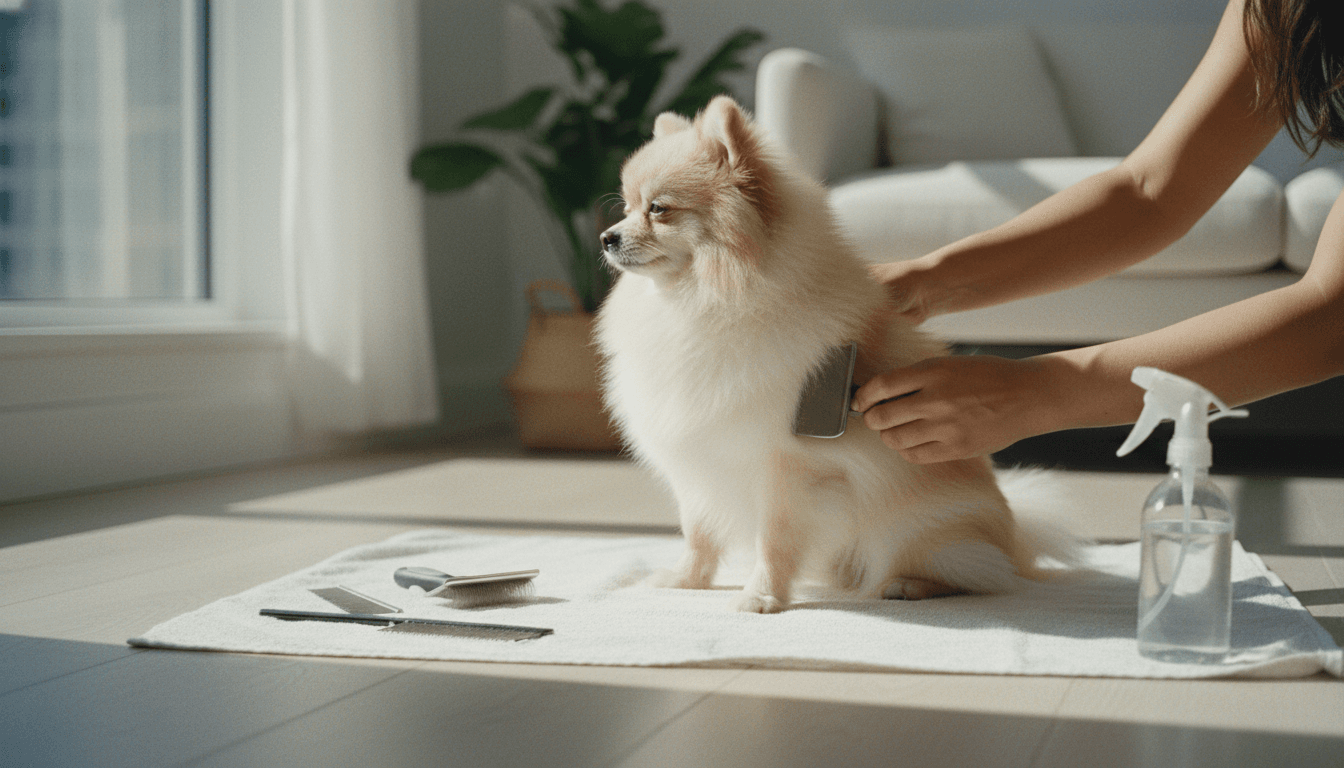
Instead of expensive imported grooming tables, use a non-slip mat on your bathroom floor or a sturdy plastic table covered with a towel. This saves thousands of rupees while providing the same functionality.
Professional Grooming Services and Costs in India
Professional groomers offer services that go beyond what most pet parents can do at home. Understanding costs helps you budget appropriately and know what to expect. Metro cities like Mumbai, Delhi, Bangalore, and Pune have numerous professional grooming salons and mobile groomers who come to your home.
Ask your groomer about package deals. Many salons offer monthly packages at 15-20% discount, which can save you ₹3000-₹5000 annually.
The Complete Bathing Guide
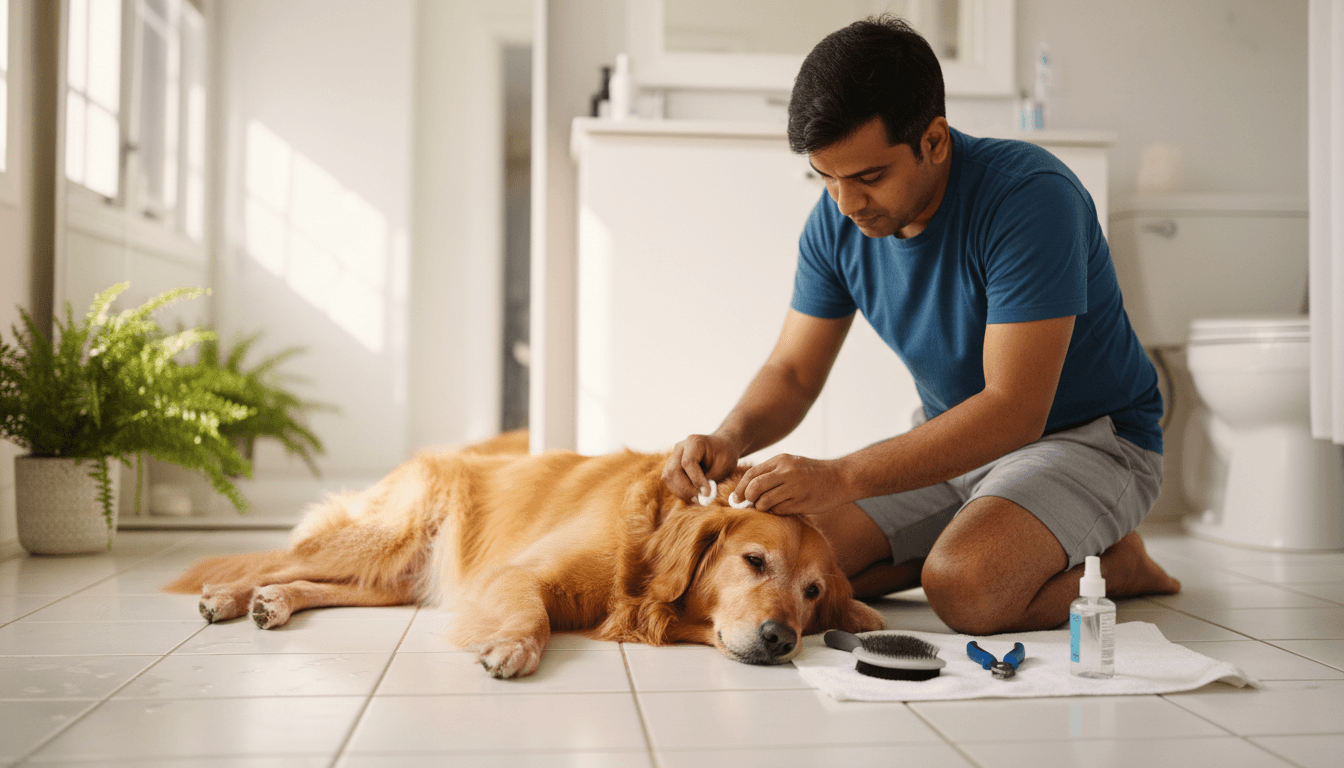
Never leave your dog unattended during bathing. Wet bathroom floors are slippery, and dogs can panic. Also, avoid getting water in their ears—use cotton balls as ear plugs during the bath.
Coat Care by Breed Type
Different coat types require dramatically different grooming approaches. Understanding your dog's specific needs prevents damage and keeps them comfortable in India's climate.
NEVER shave double-coated breeds like Huskies, German Shepherds, or Indian Spitz, even in summer. Their undercoat actually insulates against heat. Shaving can cause permanent coat damage and worsen heat regulation.
Nail Trimming: A Critical Yet Often Neglected Task
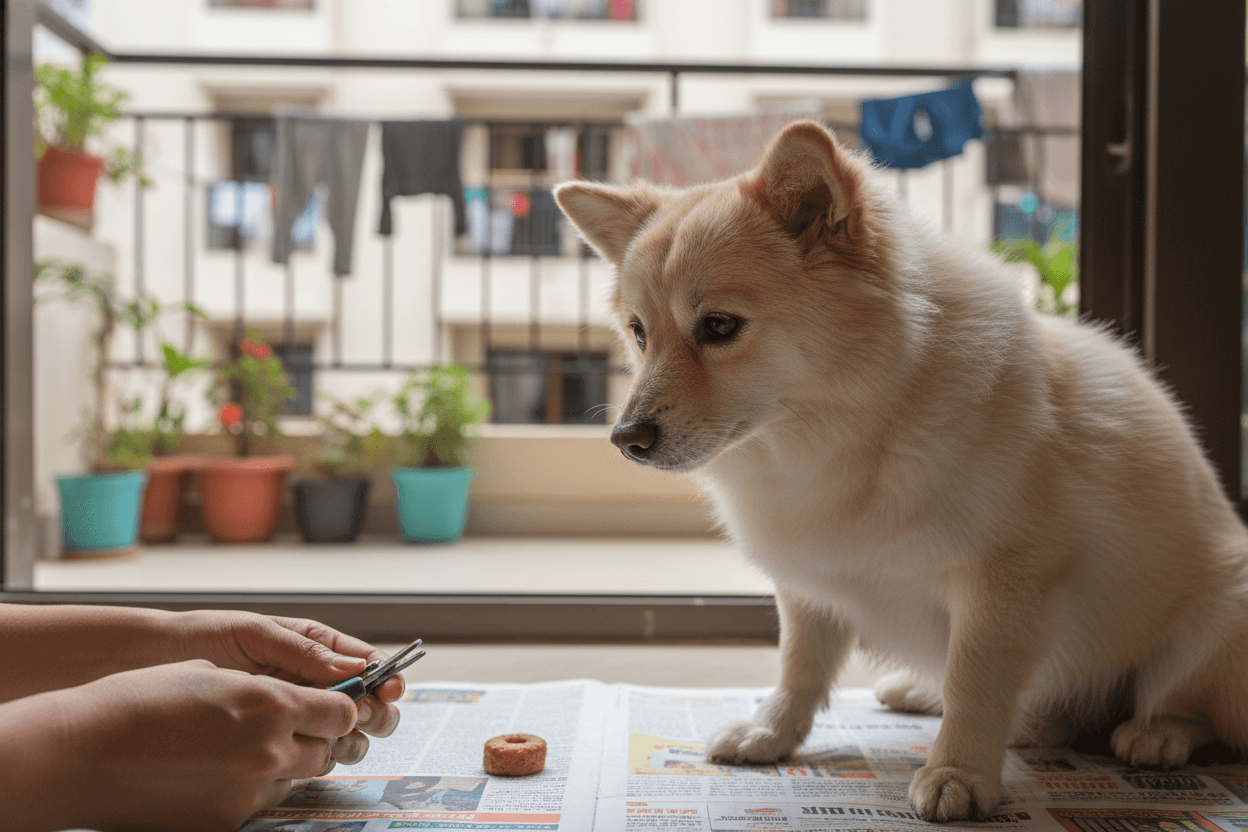
Overgrown nails cause pain, affect posture, and can lead to joint problems. In India, where many dogs walk primarily on soft surfaces like grass or home floors rather than pavement, nails don't wear down naturally. Signs your dog's nails need trimming: you hear clicking on floors, nails touch the ground when standing, or your dog's paw looks splayed. Trim every 3-4 weeks using either guillotine-style clippers (easier for beginners) or scissor-style clippers (better control for experienced groomers). Hold the paw firmly but gently, identify the quick (pink area with blood vessels—easier to see in light-colored nails), and trim just before the quick at a 45-degree angle. For dark nails, trim small amounts gradually until you see a gray or pink oval in the center—that's near the quick. If you accidentally cut the quick, apply styptic powder or cornstarch to stop bleeding.
If you're nervous about nail trimming, ask your vet to demonstrate during a routine visit. Many groomers also offer nail trimming as a standalone service for ₹200-₹400, which is cost-effective until you gain confidence.
Ear Cleaning: Preventing Infections in India's Humid Climate
India's humidity, especially during monsoon, creates perfect conditions for ear infections. Floppy-eared breeds like Cocker Spaniels, Basset Hounds, and Labradors are particularly vulnerable. Check ears weekly for redness, odor, discharge, or excessive scratching. Clean monthly or after swimming/bathing using a veterinary ear cleaning solution (brands like Epi-Otic or Otoclean are available at pet stores). Squeeze solution into the ear canal, massage the base of the ear for 20-30 seconds (you'll hear a squishing sound), let your dog shake their head, then wipe the outer ear with cotton balls. Never use cotton swabs deep in the canal—you can damage the eardrum.
Dark discharge, strong yeasty smell, head tilting, or excessive scratching indicates an ear infection requiring veterinary treatment. Don't just clean repeatedly—untreated infections can cause permanent hearing damage.
Dental Care: The Most Overlooked Grooming Aspect
Dental disease affects 80% of dogs over age 3, yet most Indian pet parents neglect teeth cleaning. Poor dental health leads to pain, tooth loss, and serious infections that can affect the heart and kidneys. Ideally, brush your dog's teeth daily using dog-specific toothpaste (human toothpaste contains xylitol which is toxic to dogs). Start by letting them taste the toothpaste, then graduate to rubbing it on teeth with your finger, and finally use a dog toothbrush or finger brush. Focus on the outer surfaces where plaque accumulates. Dental chews, dental diets, and water additives provide supplementary cleaning but don't replace brushing. Professional dental cleaning under anesthesia costs ₹5000-₹15000 in India but may be necessary for severe buildup.
Himalaya Dental Care for Dogs (₹150-₹200) and Petcare Dental Powder (₹250) are affordable India-made products that work well. For dental chews, Whimzees and Pedigree Dentastix are widely available.
Seasonal Grooming: Adapting to India's Climate
India's dramatic seasonal changes require adjusting your grooming routine throughout the year.
During monsoon, carry a towel on walks and dry your dog's paws, belly, and ears immediately upon returning home. This simple habit prevents 90% of monsoon-related skin infections.
Grooming Tools and Products Available in India
You don't need to import expensive grooming tools. Quality products are readily available in India at reasonable prices. Essential brushes: Slicker brush (₹300-₹800) for removing loose hair and small mats; Undercoat rake (₹500-₹1200) for double-coated breeds; Pin brush (₹400-₹900) for long coats; Bristle brush (₹200-₹500) for short coats. Shampoos: Petcare range (₹180-₹400) offers options for different coat types; Himalaya (₹150-₹350) provides medicated and regular varieties; Beaphar (₹400-₹800) is a good mid-range imported brand; Pet Head and Furminator (₹800-₹2000) are premium imported options. Nail tools: Guillotine clippers (₹200-₹500); Scissor clippers (₹300-₹700); Nail grinders (₹800-₹2500) for nervous dogs. Purchase from reputable pet stores like Heads Up For Tails, Marshalls Pet Zone, or online via Amazon India and Petshop18.
Generic slicker brushes from local pet stores (₹150-₹300) work just as well as branded ones for most dogs. Save money on brushes and invest in quality shampoo instead—that's where product quality truly matters.
Common Grooming Mistakes to Avoid
Even well-intentioned pet parents make grooming errors that can harm their dogs. Avoid these common mistakes: Using human shampoo—it disrupts the pH balance of dog skin and causes irritation; Bathing too frequently—strips natural oils and causes dry, itchy skin (exception: dogs with skin conditions under veterinary guidance); Skipping the brush before bathing—water tightens mats making them nearly impossible to remove; Cutting nails too short—painful and makes dogs fear future nail trims; Grooming only when they look dirty—regular grooming catches health issues early; Using scissors near the skin—one sudden movement can cause serious cuts; Shaving double-coated breeds—damages coat permanently and worsens heat regulation; Ignoring your dog's stress signals—forcing grooming creates negative associations and worsens behavior over time.
If your dog shows extreme fear or aggression during grooming (not just mild reluctance), consult a professional trainer or behaviorist. Forcing it can escalate into a serious behavioral problem requiring medication or sedation for even basic care.
When to Visit Professional Groomers
While regular at-home maintenance is essential, professional groomers provide services that most pet parents cannot safely replicate: Breed-specific styling and cuts (especially for Poodles, Schnauzers, Terriers requiring hand-stripping); Severe matting removal—professionals have skills and tools to safely remove mats without harming skin; De-shedding treatments using specialized tools and products; Anal gland expression—a messy but necessary task for some dogs; Tick and flea treatments with professional-grade products; First groom for puppies—professionals make it a positive experience; Senior dogs or dogs with mobility issues—groomers have appropriate setups. Additionally, even if you do most grooming at home, consider professional grooming every 3-4 months for a thorough job that includes sanitary trims, pad hair trimming, and detailed nail work.
Schedule professional grooming appointments 2-3 weeks in advance during peak seasons (pre-Diwali, summer vacation periods). Good groomers book up quickly, especially in metro cities.
Understanding Grooming Costs in India: Professional Services Breakdown
Professional grooming prices vary significantly based on city, breed size, coat condition, and additional services. In tier-1 cities (Mumbai, Delhi, Bangalore), expect to pay 20-30% more than smaller cities. Mobile groomers charge ₹300-₹500 extra for home visits but save you travel time and stress. Package deals typically offer better value—for example, a monthly package might cost ₹5000-₹8000 for four sessions instead of ₹6000-₹10000 for individual bookings. Premium salons in South Delhi or South Mumbai may charge ₹5000+ for elaborate breed-specific styling, while neighborhood groomers provide basic baths for ₹600-₹800. Additional services like teeth cleaning add ₹300-₹800, flea treatments ₹400-₹1000, and breed-specific cuts ₹500-₹1500 to the base price. Always ask for a complete price breakdown before booking to avoid surprise charges.
According to Dr. Anjali Sharma, veterinary dermatologist in Bangalore: 'The ideal approach combines regular at-home maintenance with professional grooming every 2-3 months. This keeps costs manageable while ensuring expert eyes check your dog regularly for skin or coat issues.'
Building a Sustainable Grooming Routine
Consistency is more important than perfection. Create a realistic grooming schedule you can maintain long-term: Daily (2-3 minutes): Quick brush for long-coated breeds, wipe paws after walks during monsoon, dental care. Weekly (15-30 minutes): Thorough brushing for all dogs, ear check, nail check, look for fleas/ticks. Monthly (1-2 hours): Full bath, nail trim, ear cleaning, sanitary trim. Quarterly (professional or DIY): Deep coat treatment, professional assessment, anal glands if needed. Mark grooming days on your calendar or set phone reminders. Involve family members so grooming doesn't depend on one person. Keep all supplies in one basket or caddy so setup is quick. Most importantly, end every grooming session positively with treats and playtime so your dog looks forward to it rather than dreading it.
Studies show that dogs groomed regularly (at least weekly brushing) have 60% fewer vet visits for skin issues and 40% better coat condition compared to dogs groomed only when visibly dirty.
Frequently Asked Questions
How often should I bathe my dog in India's climate?
Most dogs in India need bathing every 4-6 weeks. However, this varies by breed, lifestyle, and season. Active dogs who play outdoors may need bathing every 2-3 weeks, especially during monsoon. Dogs with skin conditions may require weekly medicated baths as prescribed by your vet. Bathing too frequently (more than weekly) can strip natural oils and cause dry, itchy skin unless using a veterinary-recommended shampoo.
Can I use human shampoo on my dog in an emergency?
Avoid using human shampoo even in emergencies. Dogs have a pH of 6.5-7.5 while human skin is more acidic at 4.5-5.5. Human shampoos disrupt this balance, causing dryness, irritation, and potentially skin infections. If you're out of dog shampoo, a thorough rinse with plain water is better than using human products. Most pet stores in India stock affordable dog shampoos (₹150-₹300) that last several months, so keep a backup bottle.
How much does professional dog grooming cost in India?
Professional grooming costs vary by city, breed size, and services. Basic bath and dry: ₹800-₹2500 depending on dog size. Full grooming including trim and nails: ₹1500-₹4000. Breed-specific styling: ₹2000-₹6000. Metro cities charge 20-30% more than tier-2 cities. Mobile groomers add ₹300-₹500 for home visits. Package deals often provide 15-20% savings, making monthly packages cost ₹5000-₹8000 for four sessions instead of individual booking rates.
Should I shave my dog in summer to keep them cool?
No, never shave double-coated breeds (German Shepherds, Huskies, Golden Retrievers, Spitz). Their coat actually insulates against both cold AND heat, and shaving disrupts this temperature regulation while potentially causing permanent coat damage. Instead, trim long coats moderately, increase brushing to remove dead undercoat, ensure access to shade and water, and avoid midday walks. For single-coated breeds, a light trim (not a full shave) can help, but consult a professional groomer first.
What are the signs my dog needs professional grooming rather than at-home care?
Seek professional grooming when: mats are severe or close to skin (pulling causes pain), your dog shows aggression during grooming attempts, breed-specific styling is required (Poodles, Schnauzers), nails are extremely overgrown and touching the quick, anal glands need expression (scooting, fishy smell), severe flea/tick infestation needs professional treatment, or you lack confidence with tools near sensitive areas. Professionals have training, proper restraints, and experience handling difficult situations safely.
How can I make grooming less stressful for my anxious dog?
Start with short, positive sessions (5-10 minutes) focusing on one task. Use high-value treats continuously throughout grooming. Create positive associations by grooming before meals or walks. Desensitize gradually—touch paws without trimming, run clippers without cutting. Consider calming aids like adaptil spray or calming music. Never punish or force—this creates lasting fear. If anxiety is severe, consult a veterinary behaviorist; some dogs benefit from anti-anxiety medication for grooming. Professional groomers experienced with anxious dogs can also help.
What grooming tools do I absolutely need for at-home grooming in India?
Essential tools for at-home grooming: appropriate brush for your dog's coat type (slicker brush for most breeds, ₹300-₹800), dog-specific shampoo (₹150-₹400), nail clippers (₹200-₹500), ear cleaning solution (₹200-₹400), dog toothbrush and toothpaste (₹150-₹300), towels, and treats for rewards. Optional but helpful: detangling spray for long coats, undercoat rake for heavy shedders, nail grinder for nervous dogs, and grooming table or non-slip mat. Quality tools last years, making the initial ₹2000-₹4000 investment worthwhile.
How do I prevent my dog from getting fungal infections during monsoon?
Monsoon fungal prevention requires diligent post-walk care: dry your dog thoroughly immediately after walks, paying special attention to paws, belly, armpits, and ears. Use anti-fungal shampoos (containing chlorhexidine or ketoconazole) once during heavy monsoon. Keep bedding clean and dry—wash weekly and sun-dry when possible. Increase brushing to remove damp debris. Check skin folds (especially in breeds like Pugs, Bulldogs) daily for moisture and odor. If you notice hair loss, redness, or musty smell, consult your vet immediately—early treatment prevents spread.