Key Takeaways
- Heat stroke kills dogs in 30-60 minutes—act immediately if you see heavy panting, drooling, weakness, or collapse
- Never walk dogs during 11am-5pm in summer (March-June) when temperatures exceed 35°C
- Brachycephalic breeds (Pugs, Bulldogs, Shih Tzus) have 5x higher heat stroke risk—extra vigilance needed
- Emergency treatment costs ₹3000-₹20,000+ and requires immediate vet care for survival
- Dogs cool through panting only—no sweating means they overheat faster than humans
- Prevention is 100% effective: avoid midday heat, provide shade/water, never leave in cars
- Early cooling (first 10 minutes) dramatically improves survival—use cool (not ice-cold) water
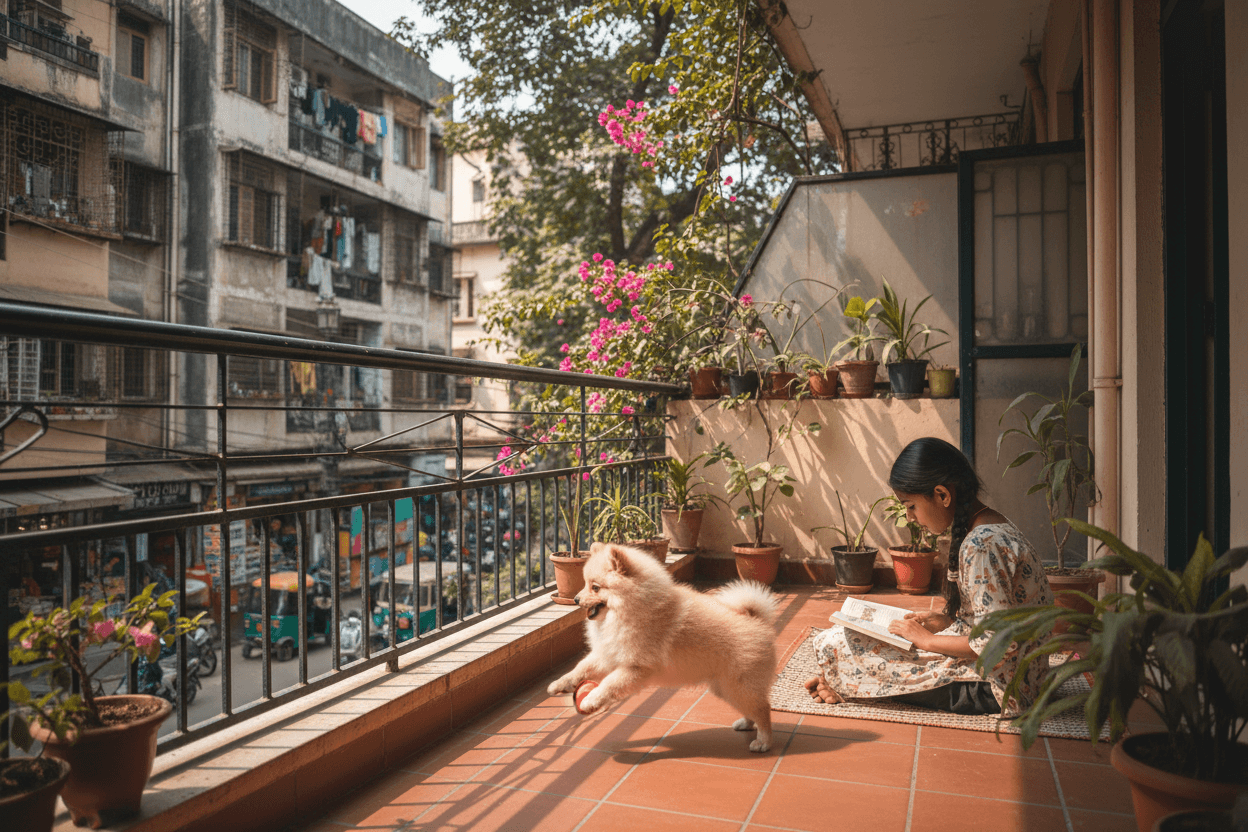
Introduction: India's Deadly Summer Heat
Warning
**CRITICAL FACT: Dogs cool through panting only.** They don't sweat like humans (only minimal sweating through paw pads). When ambient temperature exceeds 35°C and humidity is high, panting becomes ineffective. Body temperature rises rapidly from normal 38-39°C to dangerous 40-43°C in just 15-30 minutes.
Understanding Heat Stroke: Why It's So Dangerous
Heat stroke occurs when a dog's body temperature rises above 40°C and their cooling mechanisms fail. At 41-42°C, proteins denature, cells die, organs begin shutting down. At 43°C+, death is imminent without immediate intervention.
Quick Fact
**Heat Stroke vs Heat Exhaustion:** Heat Exhaustion: body temp 39-40°C, heavy panting, mild weakness, still responsive. REVERSIBLE with immediate cooling. Heat Stroke: body temp 40-43°C+, bright red gums, vomiting, collapse, seizures. LIFE-THREATENING. Requires emergency vet care. Mortality rate: 50% even with treatment if body temp exceeded 42°C.
Symptoms: Recognizing the Emergency
Early recognition saves lives. Here's what to watch for:
Vet Alert
**EARLY SYMPTOMS (Heat Exhaustion—ACT NOW):** Excessive panting (rapid, shallow breaths), increased drooling, mild weakness or lethargy, seeking shade/cool surfaces, reluctance to move. If you see these: STOP activity immediately, move to shade, offer water, start cooling measures.
Vet Alert
**EMERGENCY SYMPTOMS (Heat Stroke—CALL VET, START COOLING):** Bright red or dark red gums and tongue, rapid heart rate (over 180 bpm), vomiting or diarrhea, disorientation or stumbling, collapse or inability to stand, seizures or muscle tremors, unconsciousness. If you see ANY of these: CALL VET IMMEDIATELY while starting emergency cooling. This is life-threatening. Minutes matter.
Pro Tip
**The Gum Test:** Lift your dog's lip and check gum color. Normal: pale pink. Heat exhaustion: bright pink/red. Heat stroke: dark brick red or purple-ish. Also check capillary refill time: press gum until white, release, should return to pink in 1-2 seconds. Slower = poor circulation = emergency.
Emergency Cooling Protocol: What to Do Right Now
If you suspect heat stroke, follow this exact protocol while someone calls the vet:
Safety First
**STEP 1 (Immediate):** Move dog to shaded, cool area immediately. Turn on AC or fan if indoors. Remove collar to improve air circulation. CALL VET and tell them you're coming with heat stroke emergency (they can prepare).
Safety First
**STEP 2 (Cooling—CRITICAL):** Use COOL (not ice-cold) water. Apply to paw pads, belly, groin, armpits, neck. Wet towels on these areas, replace every 2-3 minutes as they warm. Small dog: place in cool (not cold) water bath up to chest level. Offer small amounts of cool water to drink (do NOT force). Use fan to increase evaporative cooling.
Vet Alert
**STEP 3 (Transport):** Once body temp drops to 39.5-40°C (rectal thermometer), STOP active cooling to prevent hypothermia. Keep dog wet with cool towels during transport. Drive to vet IMMEDIATELY even if dog seems better. Internal organ damage may not be apparent for hours.
Treatment Costs Across India
Heat stroke treatment is expensive due to intensive care requirements.
Quick Fact
**Emergency Treatment Costs:** Initial emergency consultation: ₹1000-₹2000. Blood work (kidney, liver, clotting function): ₹2000-₹5000. IV fluid therapy (24-48 hours): ₹4000-₹10,000. Medications (organ support, anti-seizure): ₹1000-₹3000. Hospitalization (24-72 hours): ₹5000-₹15,000. Oxygen therapy if needed: ₹2000-₹5000. Total for moderate case: ₹8000-₹20,000. Severe case with complications: ₹20,000-₹60,000+.
Money Saver
**City-wise breakdown:** Tier-1 cities (Mumbai, Bangalore, Delhi): ₹15,000-₹40,000. Tier-2 cities (Pune, Jaipur, Coimbatore): ₹10,000-₹25,000. Tier-3 cities: ₹5000-₹15,000. Government vet hospitals: 40-60% cheaper but may lack 24/7 emergency capacity. Pet insurance typically covers heat stroke treatment.
Breed-Specific Risks: Who's Most Vulnerable
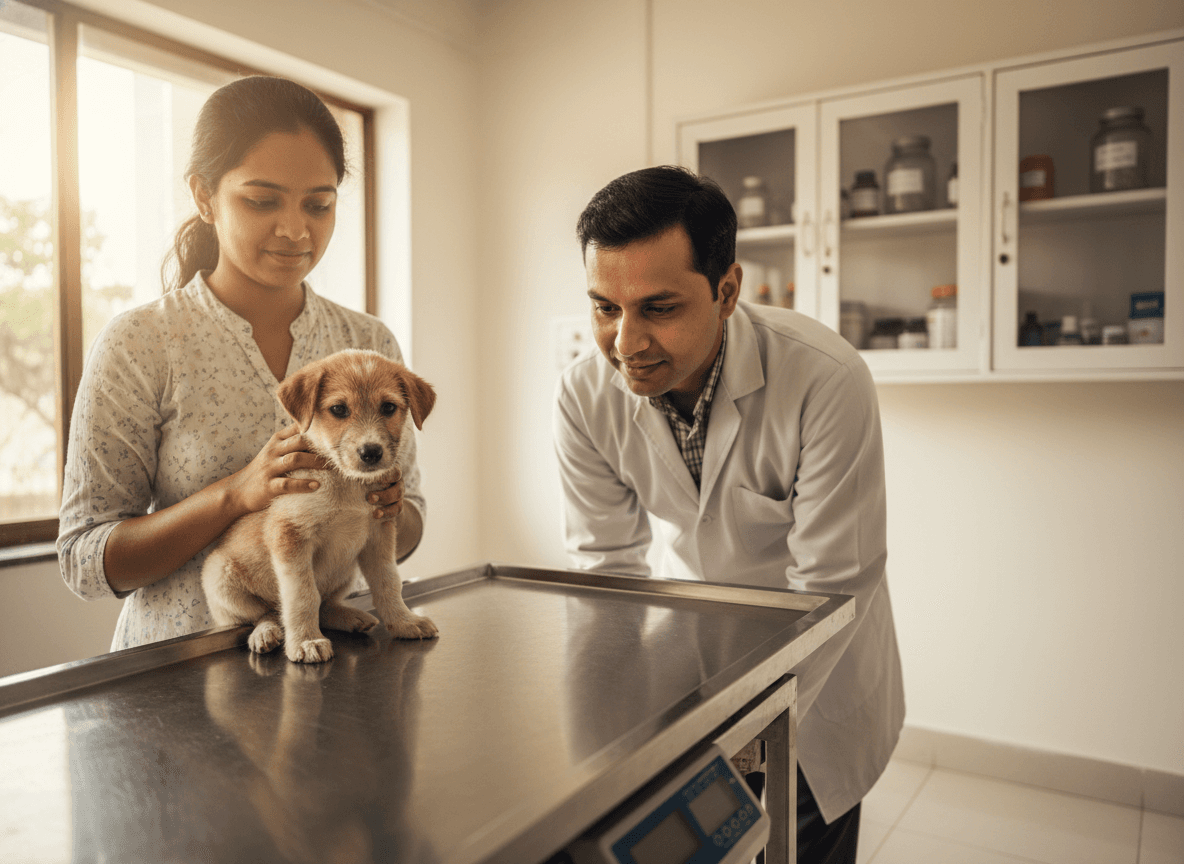
Not all dogs have equal heat stroke risk. Breed anatomy determines vulnerability.
Breed Specific
**HIGHEST RISK - Brachycephalic (Flat-Faced) Breeds:** Pugs, Bulldogs (English, French), Shih Tzus, Pekingese, Boston Terriers, Boxers. Risk: 5-8x higher than normal-nosed breeds. Why: shortened airways = inefficient panting. They overheat in temperatures as low as 28-30°C. NEVER walk these breeds midday. AC is essential in summer. Some airlines ban flying these breeds in summer due to death risk.
Breed Specific
**HIGH RISK - Other Vulnerable Groups:** Thick-coated breeds (Huskies, Samoyeds, Saint Bernards—poor choices for India), overweight/obese dogs (fat insulates, traps heat), senior dogs (7+ years, less efficient cooling), puppies (immature temperature regulation), dogs with heart/respiratory disease, dark-colored coats (absorb more heat than light colors).
Breed Specific
**LOWER RISK:** Indian Pariah dogs (evolved for tropical climate, excellent heat tolerance), Greyhounds/Whippets (thin coat, efficient cooling), breeds with upright ears and long noses (better air circulation), light-colored coats. However, NO breed is immune—prevention is essential for all dogs.
Summer Safety Rules: Prevention Protocol
100% of heat stroke cases are preventable. Follow these rules religiously during Indian summer (March-June):
DodoDoggy Tip
**Walk Timing Rules:** Walk ONLY before 7am or after 7pm when pavement and air cool. NEVER 11am-5pm. Test pavement: place back of your hand on ground for 5 seconds. If too hot for your hand, too hot for dog paws. Pavement can reach 60-70°C in direct sun—causes severe burns within seconds.
Safety First
**Hydration:** Fresh water available 24/7. Change water 3-4x daily (gets warm quickly). Add ice cubes to keep cool. Carry water bottle on walks. Offer water every 15-20 minutes during outdoor time. Dehydration accelerates heat stroke. Monitor water intake—decreased drinking is warning sign.
Pro Tip
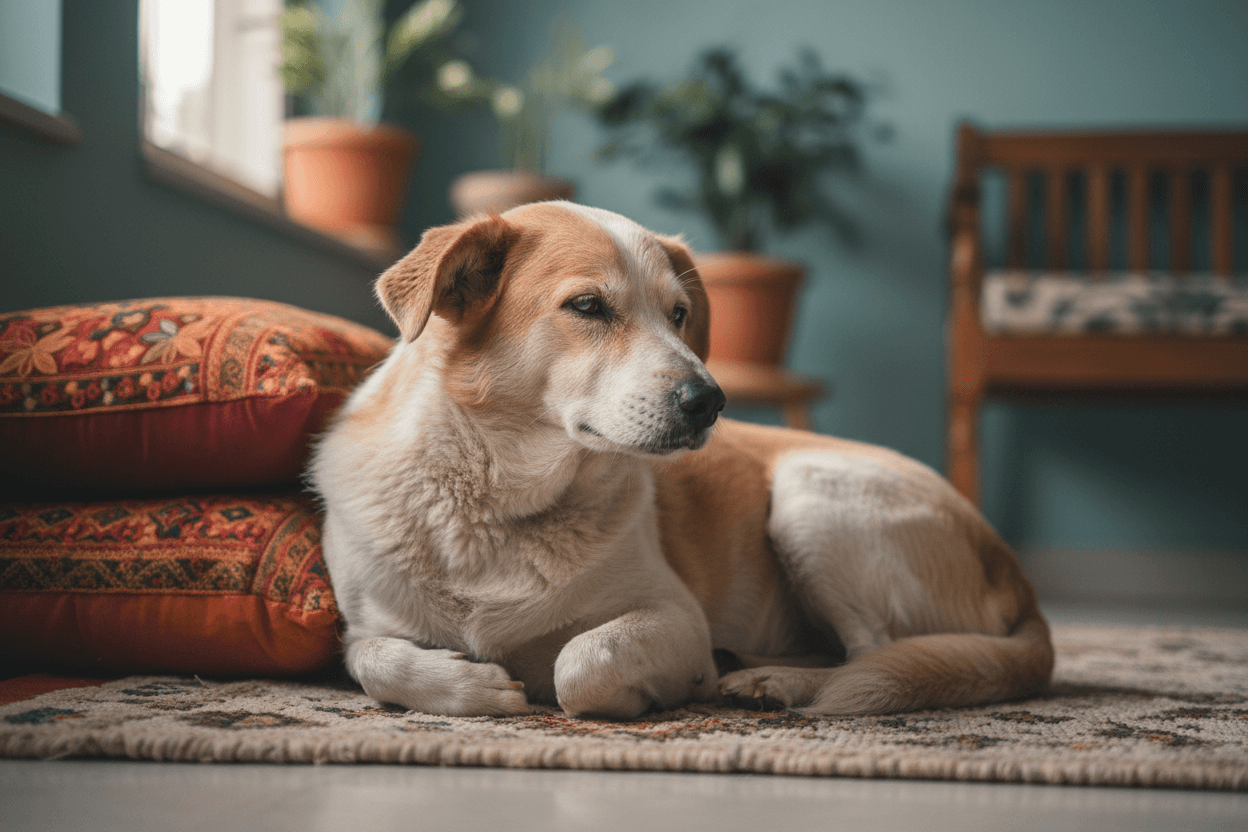
**Indoor Cooling:** AC or cooler is essential for brachycephalic breeds. Target temp: 24-26°C. If no AC, use wet towels, cooling mats (₹800-₹2500), or let dog lie on cool tile floors. Close curtains during peak sun hours. Ensure good ventilation. Never leave dog in car—even 5 minutes with windows cracked = death trap. Car interior can reach 60-70°C in 10 minutes.
DodoDoggy Tip
**Exercise Modifications:** Reduce exercise duration by 50-70% in summer. Swap long walks for short potty breaks. Play indoor games instead of outdoor fetch. Swimming is excellent cooling exercise (if safe water available). Never force exercise—if dog lies down, stops, or seeks shade, respect that signal.
Pro Tip
**Grooming:** Regular brushing removes dead undercoat, improves air circulation. For thick-coated breeds, consider professional summer trim (NOT shaving—coat protects from sun, just thin it). Never shave double-coated breeds completely. Trim paw hair to prevent heat retention.
Special Situations: High-Risk Scenarios
- Car Travel: NEVER leave dog unattended in car. Always have AC running. Bring extra water. Take breaks in shade. Consider travel at night for long trips.
- Power Outages: Common in Indian summers. Have backup plan: cooling mats, wet towels, battery-operated fans, or temporary stay at friend's AC home.
- Festivals/Events: Holi (March), outdoor events = high risk. Keep dogs indoors. Avoid crowded areas. Never take brachycephalic breeds to outdoor events in summer.
- Vet Visits: Book first appointment (coolest time). Carry water. Wait in AC area if possible. Some clinics have outdoor waiting—arrive just before appointment time.
- Multi-Dog Households: Dogs can overheat during play. Monitor closely. Separate if play gets too intense. Ensure each dog has access to water and shade.
Conclusion: Prevention Is Everything
Heat stroke is one of the most preventable dog emergencies, yet it kills hundreds of dogs every Indian summer. The rules are simple: no midday walks, constant water access, AC for vulnerable breeds, and immediate action at first symptoms.
If you own a Pug, Bulldog, or Shih Tzu in India, AC is not a luxury—it's a life-saving necessity. These breeds simply cannot survive Indian summers without climate control. The ₹3000-₹5000 monthly electricity cost is far less than a ₹20,000+ emergency vet bill, and more importantly, it prevents suffering and death.
Know the symptoms. Have your vet's emergency number saved. Keep a rectal thermometer at home. Practice emergency cooling steps so you're ready. And most importantly, prevent heat stroke by respecting the heat. Your dog cannot tell you 'I'm too hot, I need to stop.' You must make that decision for them. When in doubt, choose caution. No walk is worth your dog's life.
Frequently Asked Questions
What are the symptoms of heat stroke in dogs?
Early symptoms (heat exhaustion): excessive panting, increased drooling, mild weakness, seeking shade. EMERGENCY symptoms (heat stroke): bright red or dark red gums, rapid heart rate (over 180 bpm), vomiting, disorientation, collapse, seizures, unconsciousness. If you see emergency symptoms, CALL VET IMMEDIATELY while starting cooling. Heat stroke kills in 30-60 minutes. Early cooling (first 10 minutes) dramatically improves survival.
What should I do if my dog has heat stroke?
IMMEDIATE ACTION: (1) Move to shade, remove collar, call vet. (2) Start cooling with COOL (not ice-cold) water on paw pads, belly, groin, armpits, neck. Use wet towels, replace every 2-3 minutes. Offer cool water to drink. Use fan. Never use ice water—causes blood vessels to constrict. (3) Once temp drops to 39.5-40°C, stop active cooling. (4) Transport to vet IMMEDIATELY even if dog seems better. Internal organ damage may not be apparent for hours. Treatment costs ₹3000-₹20,000+.
Can I walk my dog during Indian summer?
YES, but ONLY before 7am or after 7pm when pavement and air cool. NEVER walk 11am-5pm when temperatures exceed 35°C. Test pavement: place back of hand on ground for 5 seconds—if too hot for your hand, too hot for dog paws. Pavement can reach 60-70°C in direct sun. Reduce walk duration by 50-70%. Carry water. For brachycephalic breeds (Pugs, Bulldogs), limit to short potty breaks only. Swimming is better summer exercise.
Which dog breeds are most at risk for heat stroke in India?
HIGHEST RISK (5-8x higher): Brachycephalic (flat-faced) breeds—Pugs, Bulldogs (English, French), Shih Tzus, Pekingese, Boston Terriers, Boxers. Their shortened airways make panting inefficient. They overheat at 28-30°C. AC is essential. HIGH RISK: thick-coated breeds (Huskies, Samoyeds), overweight dogs, senior dogs, puppies, dark-colored coats. LOWER RISK: Indian Pariah dogs (evolved for tropical climate), Greyhounds, light-colored coats. However, ALL breeds need summer precautions.
How much does heat stroke treatment cost in India?
Heat stroke treatment is expensive: emergency consultation ₹1000-₹2000, blood work ₹2000-₹5000, IV fluids (24-48 hours) ₹4000-₹10,000, medications ₹1000-₹3000, hospitalization ₹5000-₹15,000. Total for moderate case: ₹8000-₹20,000. Severe case with complications: ₹20,000-₹60,000+. City breakdown: Tier-1 cities ₹15,000-₹40,000, Tier-2 cities ₹10,000-₹25,000, Tier-3 cities ₹5000-₹15,000. Government vet hospitals 40-60% cheaper. Pet insurance typically covers treatment. Prevention costs nothing.
Should I use ice water to cool my dog with heat stroke?
NO—NEVER use ice or ice-cold water. Use COOL (room temperature or slightly cool) water only. Why: ice-cold water causes blood vessels to constrict (vasoconstriction), which traps heat INSIDE the body instead of releasing it. This makes heat stroke worse. Correct method: apply cool water to paw pads, belly, groin, armpits, neck with wet towels. Replace towels every 2-3 minutes as they warm. Use fan for evaporative cooling. Stop cooling once body temp reaches 39.5-40°C to prevent hypothermia.
How hot is too hot to walk my dog in India?
When ambient temperature exceeds 35°C (common March-June in most Indian cities), walking is dangerous. For brachycephalic breeds (Pugs, Bulldogs), even 28-30°C is risky. Rule: Walk only before 7am or after 7pm. Test pavement temperature: place back of hand on ground for 5 seconds—if you cannot keep it there comfortably, do not walk dog. Pavement can be 20-30°C hotter than air temp. At 45°C air temp, pavement can reach 70°C—causes severe paw burns in seconds.