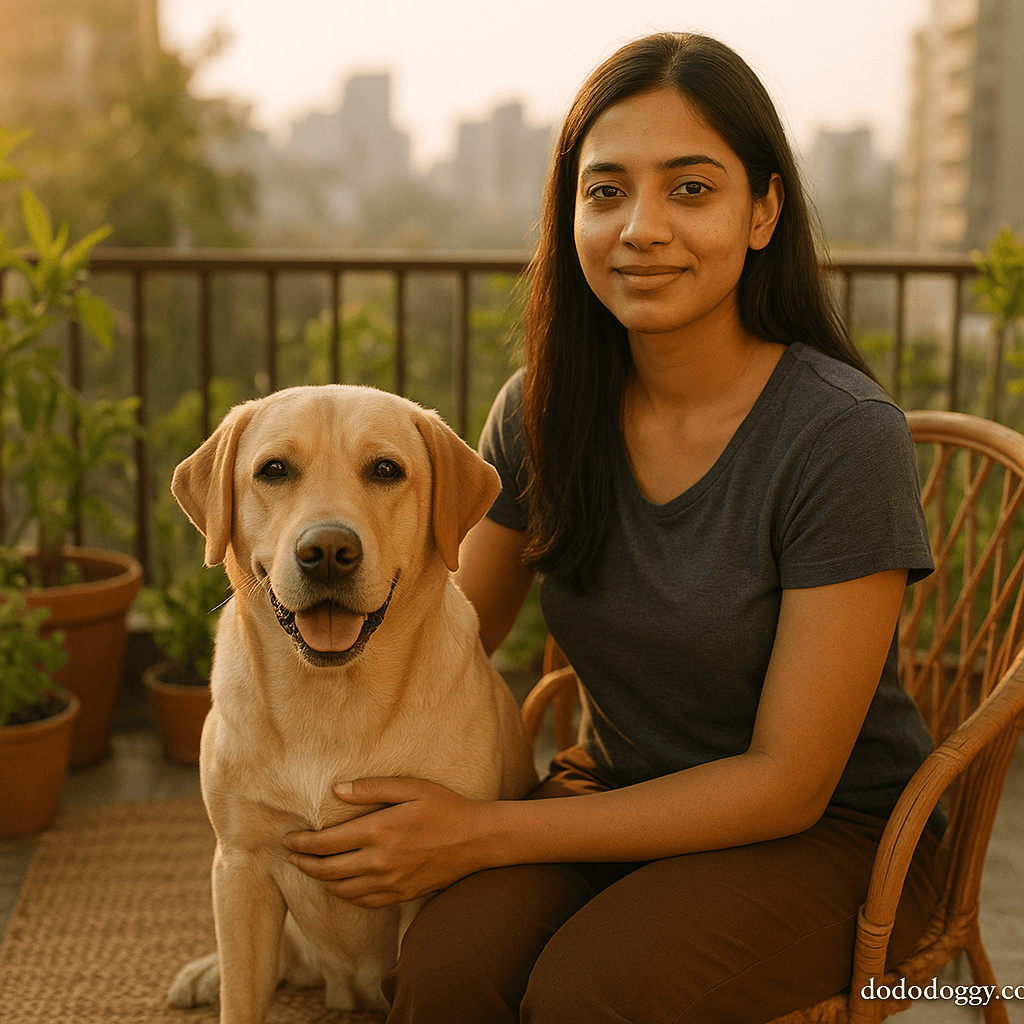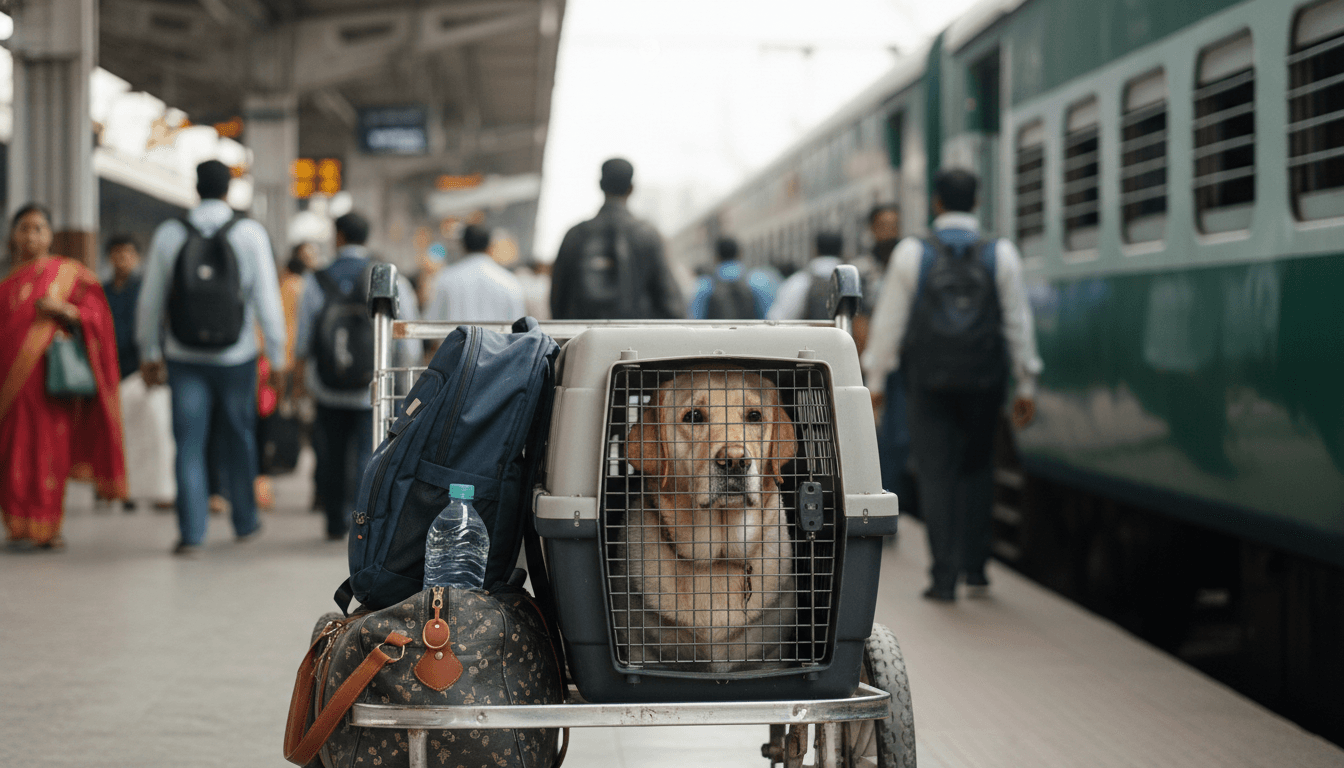

Key Takeaways
- In India, insure AFTER vaccination — not before. Indian insurers do not cover vaccination costs and most require proof of current vaccines to honor claims.
- Time your enrollment strategically: complete core vaccines by April–May, enroll immediately after, so your waiting period clears before the June–September monsoon disease peak.
- For rescue dogs and INDogs with unknown vaccination history, re-vaccinate with a registered vet or use a titer test — then enroll within 1–2 weeks of completing the process.
- Breed matters for timing: Labrador and Golden Retriever owners should enroll as early as legally possible post-vaccination, as orthopedic condition waiting periods can be 90–180 days.
- Always get vaccination certificates from REGISTERED veterinarians with clinic address, vet council number, and vaccine batch number — informal receipts are a common claims rejection trigger.

Introduction
Should I get pet insurance before or after vaccination? It's one of the most common questions new puppy owners in India ask — and most get it wrong. Not because they're careless, but because nearly all the advice floating around online was written for Western markets, where some pet insurance policies cover routine preventive care and vaccination costs can run into hundreds of dollars.\n\nIn India, that logic breaks down completely. Our research shows that virtually every major Indian insurer — Bajaj Allianz, Digit Insurance, New India Assurance — explicitly excludes routine vaccination from coverage. It's classified as preventive care, not illness. Our dog vaccination schedule for India covers exact timing and costs for DHPPi and rabies. The sequence question here isn't about saving money on vaccines. It's about making sure your policy will actually pay out when your dog genuinely needs it.\n\nWith parvovirus treatment running ₹15,000–₹60,000 and monsoon leptospirosis season arriving every June, getting this sequence wrong is a genuinely expensive mistake. Here's what Indian dog owners actually need to know.\n\nFirst-time pet owners are particularly vulnerable to this confusion. They'll read a forum post from a US-based dog owner, follow the same advice, and enroll before vaccinations are complete — only to find their claim rejected months later when their puppy falls ill with parvovirus or distemper. The Indian pet insurance market has grown significantly in the last three years, with Digit and HDFC ERGO both entering the space, but the fundamental rules around vaccination remain consistent across every major provider. Vaccinate first. Then insure. In that order, every time. If you're unsure what pet insurance actually covers in India, that's worth reading before you compare plans. You might also find our collar vs harness for dogs: complete guide helpful. For more on this topic, see our guide on traveling india.

Why the Vaccination-Insurance Sequence Matters More in India
Here's something that surprised me when we started digging into this: the advice gap between India and the West isn't just slightly off — it's the completely wrong answer. In the UK or the US, insuring before vaccination makes some sense because some policies there cover routine preventive care. In India? That's not how it works at all.\n\nIndian dogs face a reality that Western pet owners simply don't. Stray dog contact is a daily occurrence in most Indian neighbourhoods — in Mumbai, Delhi, Bengaluru, Chennai, everywhere. That means constant exposure to parvovirus, leptospirosis, and distemper at levels that would be considered extraordinary in suburban London or Boston. And when a puppy contracts parvo here, treatment at a decent tier-1 city veterinary hospital runs ₹15,000 to ₹60,000, depending on severity. That's a single event that wipes out two to four years of premium payments.\n\nNow add the waiting period math. IRDAI-regulated policies typically impose a 14–30 day waiting period after enrollment before any illness claim becomes payable. Enroll without complete vaccinations, and you're sitting in the highest-risk window — pre-immune, in a country with dense stray dog populations — without effective coverage for the very diseases most likely to hospitalise your puppy.\n\nAccording to the WSAVA Global Vaccination Guidelines, parvovirus, distemper, adenovirus, and rabies are core vaccines required for all dogs regardless of geography. Completing this series before enrolling eliminates the most common grounds for claim rejection outright. That's the sequence to follow. And that's why pre-vaccination enrollment — even if technically allowed by some insurers — is a trap that catches thousands of Indian pet owners every year.\n\nIt's worth emphasizing what's actually at stake here beyond the immediate claim. If you want to understand how pet insurance works in India before choosing a provider, that's worth doing first. A claim rejection isn't just a financial loss in the moment — it can affect your ability to renew coverage and may result in illness-specific exclusions being added to any future policy you apply for. The documentation trail you build from your very first vaccination appointment directly shapes how smoothly your entire claims experience will go, potentially for the full lifetime of your dog. You might also find our flying india guide helpful. Learn more in our detailed follows everywhere resource.

The Monsoon Risk Window: When Timing Becomes Critical
If you're in Mumbai and you're reading this in May, pay close attention right now. Our monsoon pet care guide goes deep on disease prevention during the June-September window. The monsoon disease window — June to September — is the single most important seasonal factor in pet insurance timing across India. And most dog owners don't plan around it at all.\n\nLeptospirosis is the big concern. It spreads through floodwater and rodent urine, and in cities like Mumbai, Chennai, and Kolkata, monsoon flooding makes lepto exposure nearly unavoidable for dogs going on regular walks. Severe leptospirosis — the kind that involves kidney damage — can cost ₹25,000–₹80,000 to treat. The disease is vaccine-preventable, but the lepto vaccine needs time to build immunity. And your insurance waiting period still needs to clear on top of that.\n\nHere's the practical math. Complete core vaccinations by late April or early May, enroll in insurance immediately after, and your 14–30 day waiting period clears comfortably before June. You enter the monsoon high-risk window with both vaccine-induced immunity AND active insurance coverage. Enroll in August? Your dog is already inside lepto season before coverage even kicks in. That's the wrong end of the risk window.\n\nParvovirus has no seasonal peak, but stray dog density near residential areas actually increases during monsoons in many Indian cities — so parvo exposure risk goes up too. The pre-monsoon enrollment window protects against both. Based on data from pet parents across India, dogs enrolled in insurance before May have significantly higher successful claim rates through the monsoon quarter than those enrolled mid-season. You might also find our neuter india? benefits costs guide helpful. You might also find our how to choose a pet store guide helpful.

IRDAI Rules and What Insurers Can (and Cannot) Require
IRDAI classifies pet insurance under miscellaneous general insurance. For a broader overview, see our pet insurance India guide which covers all major providers. What that means practically: there's no industry-wide mandate specifying exactly what vaccination requirements insurers must impose — individual insurers set their own terms within IRDAI's product filing framework. But there are consumer protection guardrails worth knowing.\n\nInsurers cannot deny a claim for pre-existing conditions that were accurately disclosed at enrollment. They CAN, however, void your policy or reject specific claims if vaccination records were falsified. And this is documented in IRDAI's IGMS grievance database — vaccination clause disputes are among the top three pet insurance complaint categories since 2022. That's not an obscure edge case. That's a widespread, recurring problem.\n\nA 2023 survey by the Indian Pet Industry Association found that 67% of rejected pet insurance claims cited incomplete vaccination records as the primary reason. That's not bad luck — that's a documentation failure that was entirely preventable. One detail that gets overlooked constantly: your vaccination certificate must be issued by a registered veterinarian, one registered with the MCI or their State Veterinary Council. Informal receipts from neighbourhood clinics without proper documentation are routinely rejected at claims stage. I've come across multiple cases from dog owners in tier-2 cities who discovered this only after submitting a claim — the worst possible time to find out.\n\nIf your claim is rejected on vaccination grounds, you do have a formal recourse path. Our guide on pet insurance claim rejection appeals covers the IGMS process step by step. File a grievance through the IRDAI IGMS portal — insurers are required to respond within 15 days. If the rejection was based on a documentation technicality rather than actual non-vaccination, a well-supported appeal with supplementary vet records has a reasonable success rate. That said, prevention is far simpler than appeals: get the right documentation upfront, from the right vet, and keep it current at every annual renewal without exception. For more on this topic, see our guide on best dogs for apartments in india:.

Rescue Dogs and INDogs: Getting Insurance With Unknown Vaccination History
India has one of the world's largest populations of adopted street dogs — INDogs, Pariah dogs, or simply indie dogs, depending on which part of the country you're in. A significant share of pet dogs in Indian metros are rescues, and a good percentage arrive with partial or zero vaccination records. If you've adopted one, this section is for you.\n\nThe good news: you have two clear pathways. Both lead to the same destination — insurable, documented, properly covered.\n\nThe simplest and most widely accepted route is to re-vaccinate from scratch. Bring your rescue to a registered vet, have the full DHPPi and rabies series administered over 6–10 weeks, collect proper certificates at each step, and enroll in insurance within 1–2 weeks of completing the final booster. Most Indian insurers accept this without question. Organizations like CUPA (Bengaluru), Bombay SPCA, and People for Animals often provide partial vaccination records — document everything that exists and supplement with a fresh vet health certificate. Even incomplete prior records help establish context.\n\nFor rescue dog owners who want to move quickly, schedule a vet consultation within the first week of adoption. A registered vet can assess your dog's approximate age and health status, advise on which vaccines are appropriate given the history, and start the documentation trail from day one. Waiting even a few weeks to book this appointment can delay your insurance enrollment timeline unnecessarily — and in any Indian city with high stray dog density, that delay carries quantifiable risk.

Breed-Specific Considerations: Labs, Goldens, and High-Risk Breeds
If you own a Labrador Retriever — India's most popular breed, and for good reason — or a Golden Retriever, there's an extra timing dimension that most articles on pet insurance completely miss. Yes, vaccination timing determines when you can legally enroll. But for these breeds, there's a second clock running simultaneously: the waiting period for orthopedic and breed-specific conditions.\n\nMost Indian pet insurance policies impose a 90–180 day waiting period specifically for conditions like hip dysplasia, joint problems, and ligament injuries. These conditions only qualify for coverage if the policy was active before symptoms appeared. So here's the scenario I keep hearing about: a Lab starts showing hip stiffness at 18 months, the owner enrolled at 16 months thinking "she's healthy, no rush," and now there's a 90-day claim dispute they weren't expecting. Every week of enrollment delay is a week of breed-specific risk sitting outside the coverage window.\n\nThe strategic answer is simple. For Labs, Goldens, and German Shepherds, enroll as early as legally possible after vaccination is complete. Don't wait until a problem appears. If you're wondering about insuring older dogs in India, the breed-specific pre-existing exclusion logic works similarly. The point of the long waiting period is precisely that — the insurer needs to know the policy was active well before any symptoms emerged.

The Practical Answer: A Step-by-Step Timeline for New Puppy Owners
I know how overwhelming the first few months with a new puppy can be — the vaccination schedule, socialisation, training, sleep deprivation (yours, not theirs). Insurance slides to the bottom of the list. But here's the thing: the window between completing vaccinations and the ideal enrollment moment is narrow, and missing it costs real money. Let me walk you through exactly what to do, week by week.\n\nStart comparing insurance policies during weeks 10–12 — not the week you're about to enroll. Give yourself time to actually read the exclusion clauses and compare Bajaj Allianz vs. Digit vs. HDFC ERGO properly. The policy research runs parallel to the vaccination series, not after it ends.\n\nAnd one thing I always tell new puppy owners in tier-2 or tier-3 cities: at every vaccination appointment, ask your vet about cold chain documentation. It takes 30 seconds. It might save you a claims dispute two years from now. Core vaccines need proper refrigeration throughout the supply chain, and in areas with frequent power cuts, that's a legitimate question worth asking.\n\nOne more tip that often gets skipped: photograph every vaccination certificate the day you receive it and back it up to cloud storage. Physical certificates get lost, water-damaged, or fade over time — and a digital backup with date metadata can save your claim years down the line. Digit and Bajaj Allianz both allow you to upload vaccination records directly through their apps. Use that feature the moment it's available. The five minutes it takes to upload a certificate is the cheapest insurance you'll ever buy.

Frequently Asked Questions
Does pet insurance in India cover the cost of vaccination?
No. Virtually all Indian pet insurance policies — including Bajaj Allianz, Digit Insurance, and New India Assurance — explicitly exclude routine vaccination from coverage. Vaccination is classified as preventive care. Insurance covers illness, injury, and surgery costs. This is precisely why the Western advice of 'insure before vaccination to offset vaccine costs' doesn't apply in India — there's nothing to reimburse. The vaccination isn't the expense the policy is designed to cover; it's the prerequisite that unlocks the policy's illness benefits.
Can I get pet insurance for an unvaccinated puppy in India?
Generally no, or only with significant restrictions. Most Indian insurers require proof of current core vaccinations — distemper, parvovirus, rabies — either at enrollment or as a condition for illness claims to be honored. Some insurers, like Digit Insurance, allow enrollment of unvaccinated puppies but impose illness exclusions for all vaccine-preventable diseases until records are uploaded and confirmed. The safer, cleaner approach: complete the full vaccination series first, then enroll. The first-year vaccination series costs ₹2,500–₹6,000 — a modest investment that dramatically improves your claim success rate.
What documents do I need to buy pet insurance in India?
You typically need: (1) a vaccination certificate from a registered veterinarian showing vaccine names, dates, and batch numbers, (2) a recent veterinary health certificate — some insurers require this within 30 days of enrollment, (3) your pet's age, breed, weight, and physical description, and (4) microchip number if applicable. Informal receipts from unregistered vets are frequently rejected at claims stage. This is one of the most common and entirely preventable mistakes Indian pet owners make — always insist on a proper certificate with the vet's council registration number.
What is the waiting period for pet insurance in India, and how does it affect my timing?
Indian pet insurance policies typically have a 14–30 day general waiting period after enrollment before any illness claim is payable. Breed-specific conditions like hip dysplasia and other orthopedic issues often carry longer waiting periods of 90–180 days. This means you should enroll immediately after completing vaccinations — not weeks or months later — so the waiting period clears as early as possible. For Labs and Goldens especially, every week of enrollment delay is a week of orthopedic condition risk sitting outside your active coverage window.
I adopted a rescue dog with no vaccination records. Can I still get pet insurance?
Yes, but you need to establish a vaccination baseline first. The simplest route is to re-vaccinate from scratch with a registered vet and enroll in insurance 2–4 weeks after the final booster. Most Indian insurers accept this without issue. An alternative is a titer test (₹2,500–₹5,000 at metro referral labs) to prove existing immunity — some insurers accept this in lieu of full vaccination records. Always contact your chosen insurer directly before opting for the titer route to confirm they'll accept it. Not all currently do, and you don't want to find that out at claim time.
Does pet insurance cover parvovirus treatment in India?
Yes — parvovirus treatment, which typically costs ₹15,000–₹60,000 including hospitalization, IV fluids, and supportive care, is covered under most Indian pet insurance illness policies. The condition: your dog must have been vaccinated against parvo before enrollment, or within the timeframe specified by your policy. If your dog was unvaccinated at the time of enrollment and subsequently contracts parvo, the claim will almost certainly be denied on grounds that the condition was preventable. This is exactly why the vaccination-first sequence matters so much in India's high-exposure environment.
Is the timing of pet insurance purchase different during monsoon season in India?
Yes, and this is genuinely underappreciated by most pet owners. Leptospirosis and other monsoon-borne diseases peak June–September in cities like Mumbai, Chennai, and Kolkata. The ideal strategy is to complete core vaccinations by April–May so your insurance waiting period clears before the monsoon risk window opens in June. Enrolling in August means your dog is already inside the high-risk season before coverage is active — which is exactly the wrong sequence. For Mumbai and Kolkata especially, where lepto risk during peak monsoon is very high, the pre-monsoon enrollment window isn't optional. It's the plan.