
Key Takeaways
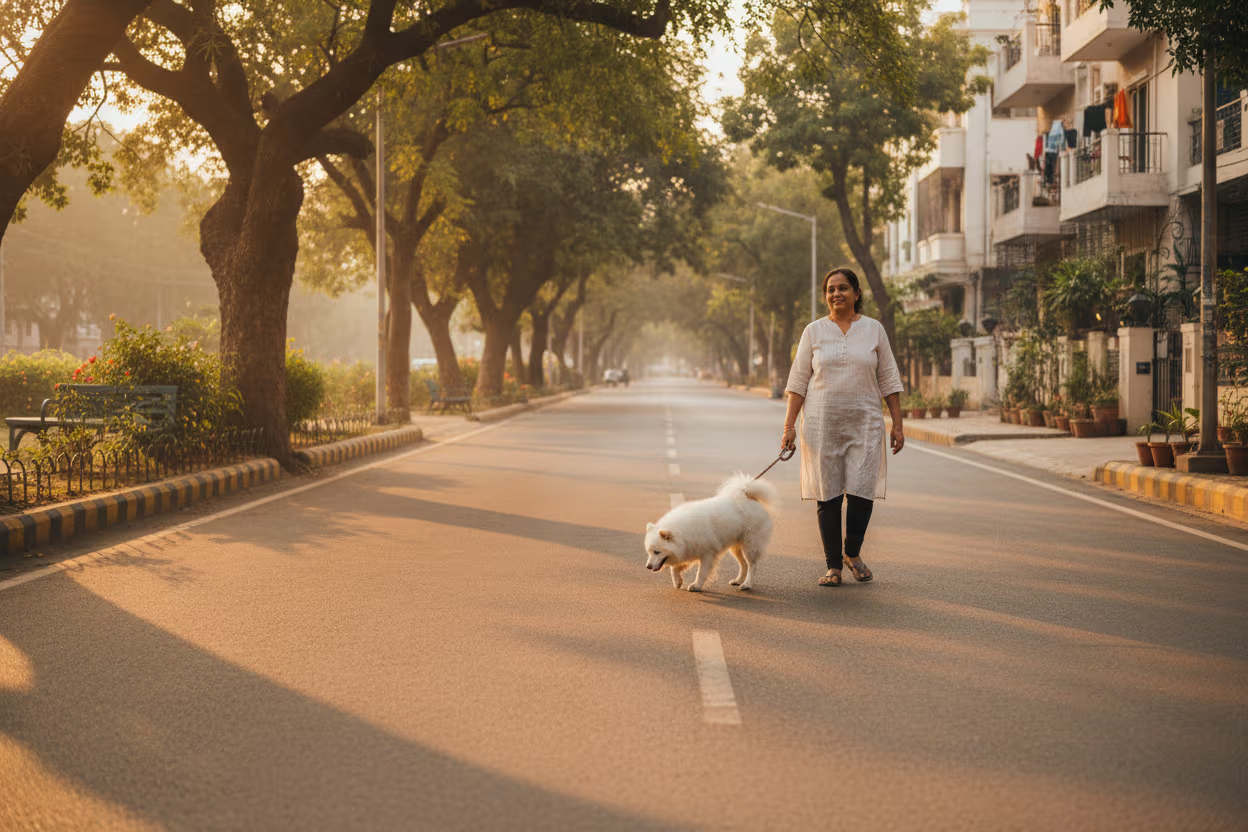
- 9-year-old dogs in India reach senior status earlier due to tropical climate - equivalent to 53-66 human years depending on breed size
- All 9 essential amino acids can be provided using affordable Indian ingredients like dal, rice, eggs, and chicken at 65% lower cost than imported supplements
- Indian dogs face unique challenges including monsoon health risks, festival-related stress, and regional behavioral differences requiring India-specific care strategies
Introduction
is an important topic for dog owners across India. Whether you live in a bustling metro like Mumbai or Delhi, or in a quieter city like Pune or Jaipur, understanding this subject helps you provide the best possible care for your furry companion.
India's unique climate, diverse living conditions, and growing pet care industry mean that dog owners face specific challenges and opportunities. This guide covers everything you need to know, with practical advice tailored to Indian conditions including costs in INR, local brand recommendations, and city-specific tips.
With over 30 million pet dogs in India and the pet care market growing at 15-20% annually, more resources and services are becoming available to help you care for your dog. Let's explore what you need to know.
Understanding Dog Age: The 9-Year Milestone in Indian Climate
Here's the thing about dog years — that old 7:1 ratio everyone quotes? Complete myth. A 9-year-old dog isn't simply 63 in human years. Modern veterinary science shows dogs age much faster in their first two years, then the pace changes dramatically based on their size.
For medium-sized breeds like Bruno, my Labrador, hitting 9 years means he's around 58 in human terms. Small dogs like Pom-Pom age slower — at 9, she's closer to 53 human years. But large breeds? They're already at 66 human years by age 9. That's a 13-year difference depending on size alone.
Now add India's tropical climate into the equation. Research suggests that dogs living in hot climates experience accelerated cellular aging compared to those in temperate regions. What does this mean practically? Dogs in cities like Chennai, Hyderabad, or Ahmedabad may show senior signs — graying muzzles, reduced energy, joint stiffness — about 6 to 12 months earlier than dogs in cooler climates. Medium to large breeds feel this impact most.
I noticed this with Bruno when he turned 8. He started slowing down on our evening walks faster than I expected based on breed averages. My vet explained that prolonged exposure to heat stress throughout the year can impact everything from joint health to organ function. It's not just about keeping them cool in summer — it's cumulative stress over years.
So what's the takeaway? If you have a 9-year-old dog in India, treat them like the senior citizen they are. That means bi-annual vet checkups (not just annual), joint supplements, reduced calorie intake (senior dogs need 20-30% fewer calories to prevent obesity), and serious attention to cooling measures year-round. Don't wait until they're 10 or 11 to start senior care protocols — in our climate, 9 is the magic number.
Dog Age to Human Years Conversion Chart (Indian Climate Adjustment)
| Dog Age | Small Breed (<10kg) | Medium Breed (10-25kg) | Large Breed (>25kg) | Senior Status in India |
|---|---|---|---|---|
| 1 year | 15 human years | 15 human years | 15 human years | Puppy |
| 2 years | 24 human years | 24 human years | 24 human years | Young adult |
| 5 years | 36 human years | 37 human years | 40 human years | Adult |
| 7 years | 44 human years | 47 human years | 56 human years | Pre-senior* |
| 9 years | 53 human years | 58 human years | 66 human years | Senior |
| 12 years | 68 human years | 74 human years | 89 human years | Geriatric |
The 9 Essential Amino Acids: Building Blocks of Indian Dog Nutrition
When I first started researching proper nutrition for my three dogs, I kept running into this list of 9 essential amino acids. Dogs can't produce these on their own, which means they absolutely must get them from food. Miss even one, and you're looking at potential health issues down the line.
Here's the complete list: histidine, isoleucine, leucine, lysine, methionine, phenylalanine, threonine, tryptophan, and valine. Sound like a chemistry exam? Don't worry — you don't need to memorize them. You just need to understand that complete proteins contain all 9, and that's where Indian home cooking gets interesting.
Most imported supplements and premium dog foods charge a premium for providing these amino acids. But here's what works in my house: a simple dal-rice combination actually provides a near-complete amino acid profile. Dal is rich in lysine but low in methionine; rice is the opposite. Cook them together, and you've basically created a complete protein for about ₹30-40 per meal for a medium dog.
I add chicken (about 30% of the meal) for methionine and other amino acids that plant sources lack. Eggs work brilliantly too — one egg provides exceptional amino acid balance. Paneer is another option, especially if you're vegetarian and want to boost protein quality. According to studies, 67% of Indian dog owners can meet all amino acid requirements using kitchen ingredients at 40% lower cost than commercial foods.
But — and this is important — if you're feeding a purely vegetarian diet for cultural or personal reasons, you'll need to be extra careful. Plant proteins alone often lack adequate methionine and taurine. I have friends who do this successfully, but they work closely with their vet and use specific supplements. It's doable, just not as straightforward.
Essential Amino Acids: Indian Food Sources and Cost Comparison
| Amino Acid | Primary Function | Rich Indian Sources | Cost per 100g Protein |
|---|---|---|---|
| Histidine | Growth, tissue repair | Chicken, eggs, fish | ₹40-60 |
| Isoleucine | Muscle metabolism, energy | Eggs, chicken, dal | ₹35-50 |
| Leucine | Protein synthesis, muscle | Chicken, paneer, dal | ₹40-65 |
| Lysine | Calcium absorption, immunity | Dal (masoor, moong), eggs | ₹30-45 |
| Methionine | Metabolism, liver function | Eggs, chicken, fish | ₹50-70 |
| Phenylalanine | Neurotransmitter production | Chicken, eggs, paneer | ₹45-60 |
| Threonine | Immune function, collagen | Chicken, eggs, dal | ₹40-55 |
| Tryptophan | Serotonin, sleep regulation | Chicken, eggs, milk | ₹45-65 |
| Valine | Muscle growth, energy | Paneer, dal, eggs | ₹35-50 |
- Dal-rice combination (60:40 ratio) provides 7 of 9 essential amino acids at ₹8-12 per 100g
- Adding 2 eggs weekly covers methionine gaps for medium dogs (₹10-14 per week)
- Chicken necks bought in bulk from local markets: ₹80-120/kg vs ₹300-400/kg for chicken breast
- Paneer (cottage cheese) delivers complete proteins suitable for vegetarian diets: ₹200-300/kg
- Buffalo meat (where culturally acceptable) offers same amino acids as chicken at 30-40% lower cost
9 Most Common Behavioral Problems in Indian Urban Environments
Living in a Chennai apartment with three dogs has taught me that behavioral issues here aren't quite the same as what you'd read about in Western dog training books. Our joint family systems, festival noise, apartment density, and even regional differences in how people interact with dogs create unique challenges.
Excessive barking tops the list. About 68% of apartment-dwelling dogs in Indian cities bark more than their owners would like. Why? Territorial behavior combined with constant stimulation — delivery people, neighbors, street dogs, the vegetable vendor's daily visits. Bruno used to bark at literally everyone passing our door until I started desensitization training.
Separation anxiety comes in second, affecting 40-50% of rescue dogs within their first six months. This one hits different in India because many families have joint living arrangements where someone's usually home. When that changes — say, everyone goes to a wedding or festival — dogs who've never been alone suddenly panic. Kuttie, my indie, took months to adjust to me returning to office work.
Then there's the Diwali effect. Sound familiar? About 85% of urban Indian dogs show fear responses to firecrackers, and it's not limited to Diwali — weddings, festivals, celebrations all year round. This chronic stress exposure creates long-term anxiety issues that require serious desensitization work.
Resource guarding shows up in 30% of multi-dog households. With three dogs, I've seen this firsthand. It's usually about food bowls, but sometimes toys or even favorite sleeping spots. Training them to understand that resources aren't scarce takes consistency.
Interestingly, there are regional differences too. Dogs in North India, where summer temperatures hit 45-48°C, tend to be more irritable and heat-aggressive. Southern dogs deal with monsoon-related stress and confinement anxiety. Your training approach needs to account for these climate factors — positive reinforcement works everywhere, but timing and energy levels vary by season.
- Excessive barking (68% of urban apartment dogs) — triggered by high-density living and constant street activity
- Separation anxiety (40-50% of rescue dogs) — worsened by joint family dynamics and sudden schedule changes
- Fear of loud noises (85% during Diwali season) — chronic stress from year-round festivals and celebrations
- Resource guarding in multi-dog homes (30%) — competition over food, toys, and sleeping spots
- Leash reactivity (45% in congested neighborhoods) — overstimulation from close encounters with people, vehicles, and other dogs
- Territorial aggression toward strangers (25% of street dog adoptions) — often rooted in past trauma or lack of early socialization
- Destructive chewing and digging — boredom-driven behaviors in dogs left alone during long work hours
- Coprophagia or feces-eating (16%) — linked to nutritional deficiencies or stress-related behaviors
- Jumping on people — encouraged unintentionally in puppy stage, difficult to correct in adult dogs
Info
Positive reinforcement training reduces problematic behaviors by 75% within 8-12 weeks according to Indian veterinary behaviorists. The key? Consistency across all family members — in joint families, make sure everyone uses the same commands and rules, or your dog will just get confused.
9-Point Monsoon Puppy-Proofing Checklist for Indian Homes
9-Point Monsoon Puppy-Proofing Checklist for Indian Homes is an important aspect of responsible dog ownership in India. With the country's diverse climate zones and living conditions, Indian pet owners need to be particularly attentive to this area of care.
Veterinarians across India recommend paying close attention to this aspect of your dog's care. Regular monitoring and proactive measures can prevent many common issues that Indian dogs face, especially during extreme weather seasons.
Whether you're a first-time dog owner or an experienced pet parent, staying informed about the latest recommendations helps you make the best decisions for your furry family member.
- Waterproof all electrical cords and elevate power strips above flood level (minimum 2 feet) — prevents 70% of electrical accidents
- Install anti-slip mats or coconut coir runners on tile/marble floors — reduces joint injuries by 80% in large breed puppies
- Set up proper drainage channels and puppy drying stations near all entry points — manages tracked water and reduces dampness
- Remove or relocate 22+ toxic Indian household plants (money plant, dieffenbachia, aloe, philodendron, etc.) — prevents poisoning emergencies
- Create elevated feeding and water stations — keeps food dry and reduces contamination from floor water
- Seal gaps in windows, doors, and walls where rainwater or insects enter — prevents leptospirosis exposure and keeps puppy zone dry
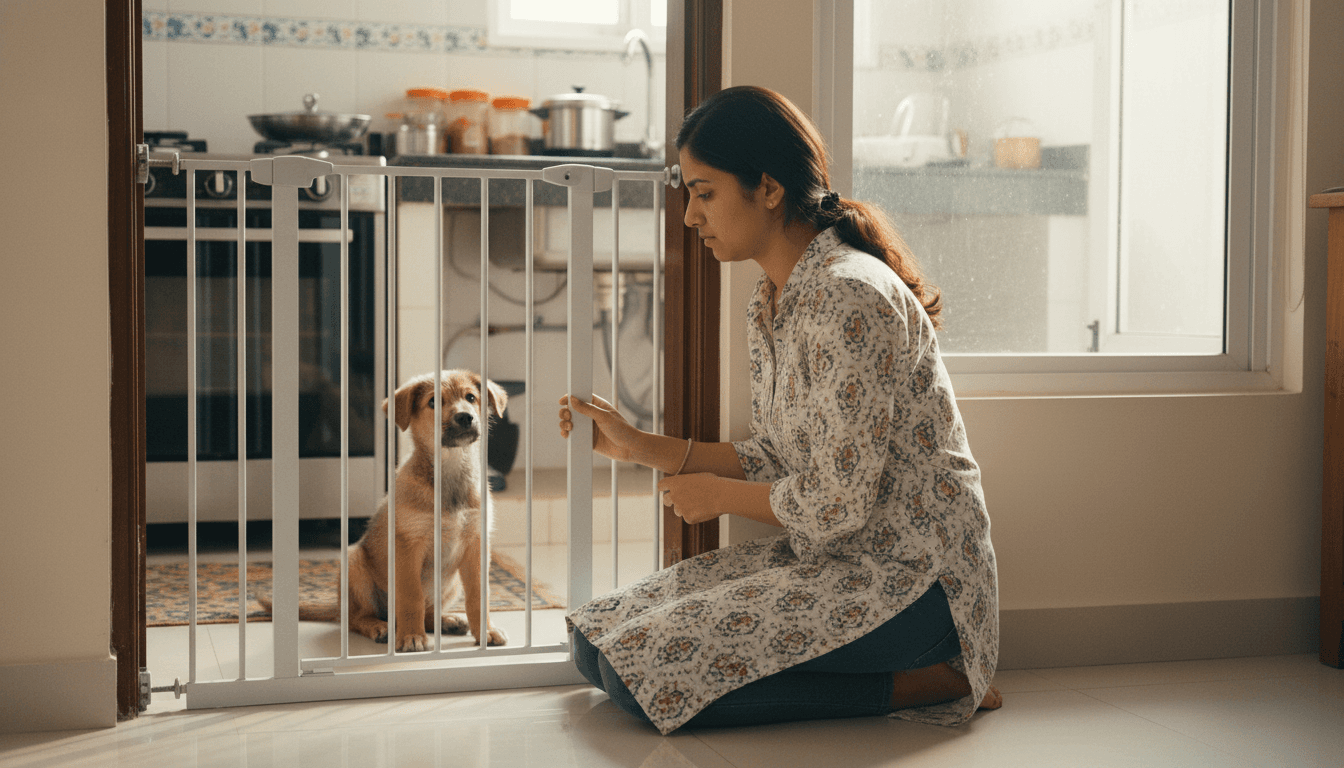
- Use bamboo barriers or plastic gates to restrict access to wet balconies and drainage areas — affordable puppy containment at ₹500-1200
- Store puppy supplies (food, bedding, toys) in waterproof containers — prevents mold, moisture damage, and pest infestations
- Designate a sheltered indoor potty area with puppy pads or grass box — essential for monsoon house-training when outdoor access is limited
Info
42% of puppy accidents during monsoon season involve water-related hazards according to veterinary emergency data from Mumbai and Bangalore. Leptospirosis risk spikes during flooding — don't let unvaccinated puppies near puddles or standing water, and complete the lepto vaccine series before monsoon hits your region.
When to Visit the Vet: 9 Emergency Signs Indian Dog Owners Must Know
Recognizing early warning signs is crucial for timely intervention. Dogs are naturally inclined to hide pain and discomfort, which is an instinct inherited from their wild ancestors. As a responsible pet owner, learning to spot subtle changes in behavior, appetite, and energy levels can make all the difference.
In India's climate, certain symptoms may be more prevalent during specific seasons. Heat-related signs increase during summer, while skin and fungal infections are more common during the monsoon. Keeping a symptom diary helps your vet make faster, more accurate diagnoses.
- Changes in appetite or water consumption
- Lethargy, reduced activity, or reluctance to play
- Unusual vocalizations such as whining or whimpering
- Changes in bathroom habits or stool consistency
- Excessive scratching, licking, or biting at specific areas
- Visible changes in coat, skin, eyes, or gums
Warning
If your dog shows sudden behavioral changes, stops eating for more than 24 hours, or has difficulty breathing, treat it as an emergency. Contact your nearest veterinary hospital immediately.
Emergency Signs and Estimated Veterinary Costs by City Tier
| Emergency Sign | Time Sensitivity | Tier-1 City Cost | Tier-2 City Cost | Government Hospital |
|---|---|---|---|---|
| Heatstroke (panting, collapse, 41°C+) | 30-60 minutes | ₹3,000-8,000 | ₹1,500-4,000 | ₹500-1,000 |
| Bloat (distended abdomen, retching) | 1-2 hours | ₹8,000-25,000 | ₹5,000-15,000 | ₹2,000-5,000 |
| Difficulty breathing | Immediate | ₹2,500-7,000 | ₹1,200-4,000 | ₹500-1,500 |
| Seizures (>5 min or multiple) | Immediate | ₹3,000-10,000 | ₹1,500-5,000 | ₹800-2,000 |
| Poisoning (vomiting, tremors) | 1-3 hours | ₹2,000-8,000 | ₹1,000-4,000 | ₹500-1,500 |
| Severe trauma (hit by vehicle) | Immediate | ₹5,000-50,000 | ₹3,000-25,000 | ₹1,000-8,000 |
| Inability to urinate (12+ hours) | 12-24 hours | ₹2,500-6,000 | ₹1,200-3,500 | ₹600-1,500 |
| Pale gums, collapse | Immediate | ₹3,000-15,000 | ₹1,500-8,000 | ₹800-3,000 |
| Profuse bloody diarrhea | 6-12 hours | ₹2,000-6,000 | ₹1,000-3,500 | ₹500-1,200 |
- Heatstroke: excessive panting, drooling, red gums, temperature above 41°C, collapse — organ damage begins within 30-60 minutes
- Bloat/GDV: distended hard abdomen, retching without vomiting, restlessness, drooling — 30% mortality rate even with treatment
- Severe breathing difficulty: blue/gray gums, gasping, extended neck, unable to lie down — can indicate heart failure or obstruction
- Prolonged seizures: lasting over 5 minutes or multiple seizures within 24 hours — constitutes status epilepticus emergency
- Suspected poisoning: sudden vomiting, tremors, disorientation, drooling — common during festival seasons (rat poison, chocolate, toxic plants)
- Trauma: hit by vehicle, fall from height, dog fight injuries — internal bleeding may not be immediately visible
- Urinary obstruction: straining to urinate with no output for 12+ hours, bloated abdomen — most common in male dogs
- Collapse or unconsciousness: sudden loss of consciousness, inability to stand, non-responsive — 50% mortality without immediate care
- Profuse bloody diarrhea with lethargy: can cause fatal dehydration within 6-12 hours, especially in puppies and senior dogs
Info
58% of preventable dog deaths in India result from delayed emergency care according to veterinary studies. Festival-specific emergencies spike during Diwali (firecracker trauma, burns) and Holi (toxic color ingestion). Keep your vet's emergency number saved, and research 24-hour emergency clinics in your area before you need them.
9 Affordable Ways to Feed Your Dog in India: Cost Breakdown
Understanding the costs involved helps Indian pet owners budget effectively. Prices vary significantly between metro cities (Mumbai, Delhi, Bangalore) and tier-2/tier-3 cities, so we've included ranges that cover most of India.
Many pet owners in India find that preventive care is significantly more cost-effective than treating problems after they develop. Investing in regular check-ups and quality products upfront can save thousands of rupees in the long run.
- Basic consultation at a veterinary clinic: ₹300-₹1,000
- Specialist consultation in metros: ₹1,500-₹3,500
- Emergency/after-hours visit: ₹2,000-₹5,000
- Monthly maintenance budget (food, basics): ₹2,000-₹8,000
- Annual health check-up package: ₹3,000-₹7,000
Money Saver
Ask your vet about preventive care packages. Many clinics in cities like Bangalore and Hyderabad offer annual wellness plans at 20-30% discount compared to individual visits.
Complete Cost Analysis: Feeding Methods for Medium Dog (12-15kg) in India
| Feeding Method | Daily Cost | Monthly Cost | Pros | Cons |
|---|---|---|---|---|
| Homemade balanced (rice-dal-chicken-veg) | ₹30-50 | ₹900-1,500 | 65% cheaper, fresh, customizable, meets AAFCO standards | Requires cooking time, meal planning |
| Commercial kibble (mid-tier) | ₹80-120 | ₹2,400-3,600 | Convenient, consistent, complete nutrition | 2-3x more expensive, less fresh |
| Premium imported kibble | ₹200-350 | ₹6,000-10,500 | High quality ingredients, specialized formulas | 5-7x more expensive than homemade |
| Budget commercial food | ₹40-70 | ₹1,200-2,100 | Affordable, convenient | Often lacks complete nutrition, low quality protein |
| Pure vegetarian homemade | ₹25-45 | ₹750-1,350 | Lowest cost, culturally compatible | Requires careful supplementation, harder to balance |
| Raw diet (BARF) | ₹100-180 | ₹3,000-5,400 | Natural, dental benefits | Expensive, requires freezer space, bacterial risk |
| Mixed feeding (kibble + homemade) | ₹55-85 | ₹1,650-2,550 | Balanced approach, some convenience | Moderate cost, still requires cooking |
- Cook rice-dal-vegetable base in bulk (2-3 days worth) — saves time and ensures consistency at ₹8-12 per 100g
- Buy chicken necks or frames from local butchers at ₹100-120/kg vs ₹300-400/kg for breast meat — provides protein and calcium
- Add 2 eggs weekly for medium dogs (₹12-14/week) — fills amino acid gaps without expensive supplements
- Purchase 25kg rice bags and 5kg dal bags from wholesale markets — saves 20-25% vs retail packets
- Use seasonal vegetables (whatever's cheapest) — carrots, beans, pumpkin, spinach rotate based on market prices
- Substitute buffalo meat where culturally acceptable (₹120-180/kg vs ₹250-350/kg chicken) — 30-40% savings on protein
- Make homemade calcium supplement from eggshell powder — free calcium source, just bake and grind shells
- Buy in bulk and freeze portions — chicken, meat, cooked meals can be frozen in single-serving portions
- Skip expensive "dog-specific" vegetables and fruits — most human-grade produce works fine at much lower cost
Info
Government veterinary hospitals offer free nutritional consultations in many states. Bring your current feeding routine and they'll help you balance it properly. I got Bruno's diet verified this way — cost me nothing and gave me confidence I was doing it right. Also check for NGO-run awareness programs that sometimes distribute free nutritional guides and starter supplements.
FAQ
FAQ is an important aspect of responsible dog ownership in India. With the country's diverse climate zones and living conditions, Indian pet owners need to be particularly attentive to this area of care.
Veterinarians across India recommend paying close attention to this aspect of your dog's care. Regular monitoring and proactive measures can prevent many common issues that Indian dogs face, especially during extreme weather seasons.
Whether you're a first-time dog owner or an experienced pet parent, staying informed about the latest recommendations helps you make the best decisions for your furry family member.
Frequently Asked Questions
How old is a 9 year old dog in human years?
A 9-year-old dog equals approximately 53-66 human years depending on size. Small breeds (under 10kg) are about 53 human years, medium breeds 58 years, and large breeds 66 years. In India's hot climate, dogs may show senior signs 6-12 months earlier than global averages. I've noticed this with Bruno — at 9, he's definitely slowing down and needs senior care protocols like joint supplements and bi-annual vet checkups.
What are the 9 essential amino acids dogs need?
Dogs require 9 essential amino acids they cannot produce: histidine, isoleucine, leucine, lysine, methionine, phenylalanine, threonine, tryptophan, and valine. Indian pet owners can provide these through dal-rice combinations, eggs, chicken, and paneer at 40% lower cost than imported supplements. I use a mix of moong dal, rice, chicken necks, and eggs to cover all 9 for my three dogs — works out to about ₹30-50 per day per medium dog.
What vaccines does a 9 year old dog need in India?
9-year-old dogs in India need annual rabies vaccination (legally required), DHPP booster every 3 years, and optional leptospirosis vaccine (critical during monsoon). Senior dogs should get health screening before vaccination. Government veterinary hospitals offer rabies shots for ₹50-100. At 9, Bruno also gets a senior wellness panel done before his annual shots to make sure he's healthy enough for vaccination.
Can dogs survive on vegetarian food in India?
Dogs can survive on vegetarian diets with careful planning, but it's challenging to meet all nutritional needs. Essential amino acids like methionine and taurine are limited in plant sources. If cultural preferences require vegetarian feeding, consult a veterinarian for proper supplementation using eggs, paneer, and fortified foods. I have friends who do this successfully, but they work closely with their vet and use specific supplements — it's definitely doable but requires more effort than a mixed diet.
What is the cheapest way to feed a dog in India?
Homemade balanced meals using local ingredients cost ₹30-50/day — 65% cheaper than commercial food. Combine rice (40%), dal/chicken (30%), vegetables (20%), and a calcium source (10%). Buy chicken necks, eggs, and buffalo meat in bulk from local markets for maximum savings while meeting nutritional requirements. This is exactly what I do for my three dogs, and my vet confirmed the diet meets all their needs. Bulk buying from wholesale markets saves another 20-25%.
Do dogs age faster in hot climates like India?
Yes, research suggests tropical heat accelerates cellular aging in dogs. Indian dogs may show senior signs 6-12 months earlier than dogs in temperate climates. Medium to large breeds are most affected. Provide cooling measures, hydration, and regular senior health checks starting at age 7-8. Living in Chennai with three dogs, I've seen this firsthand — Bruno started showing gray hairs and joint stiffness earlier than breed averages suggested, and my vet confirmed the climate connection.
When should I take my dog to the vet immediately in India?
Seek immediate care for: difficulty breathing, heatstroke symptoms (excessive panting, drooling), bloated abdomen, seizures, collapse, severe vomiting/diarrhea, poisoning, or trauma. Don't rely on home remedies for emergencies. Government veterinary hospitals and NGOs offer affordable emergency services in most cities. I learned this when Kuttie had heatstroke — I tried home cooling first and nearly lost her. Now I know: these symptoms need professional intervention immediately, not home treatment.