My Labrador, Bruno, destroyed three toys in his first week home. The fourth one — a cheap imported rubber ball from a roadside pet shop in Pune — left green dye all over his mouth. That was 2021, and it pushed me to actually research what goes into the toys we hand our dogs without thinking twice.
India's pet toy market has changed dramatically. Brands like Heads Up For Tails, Supertails, and Barkbutler now stock a genuine range of options from Rs 150 to Rs 3,500 — but the variety also makes it harder to separate durable, safe products from the stuff that'll end up in the bin (or worse, in your dog's stomach) within a week.
This guide covers every major toy type, what materials to trust, which Indian and international brands hold up in our climate, and how to match a toy to your dog's age and chewing style. Prices are current as of early 2026. If you're still setting up your home for a new dog, the new pet checklist for Indian homes is a good starting point before buying toys.
Why Toy Safety Is Different in India
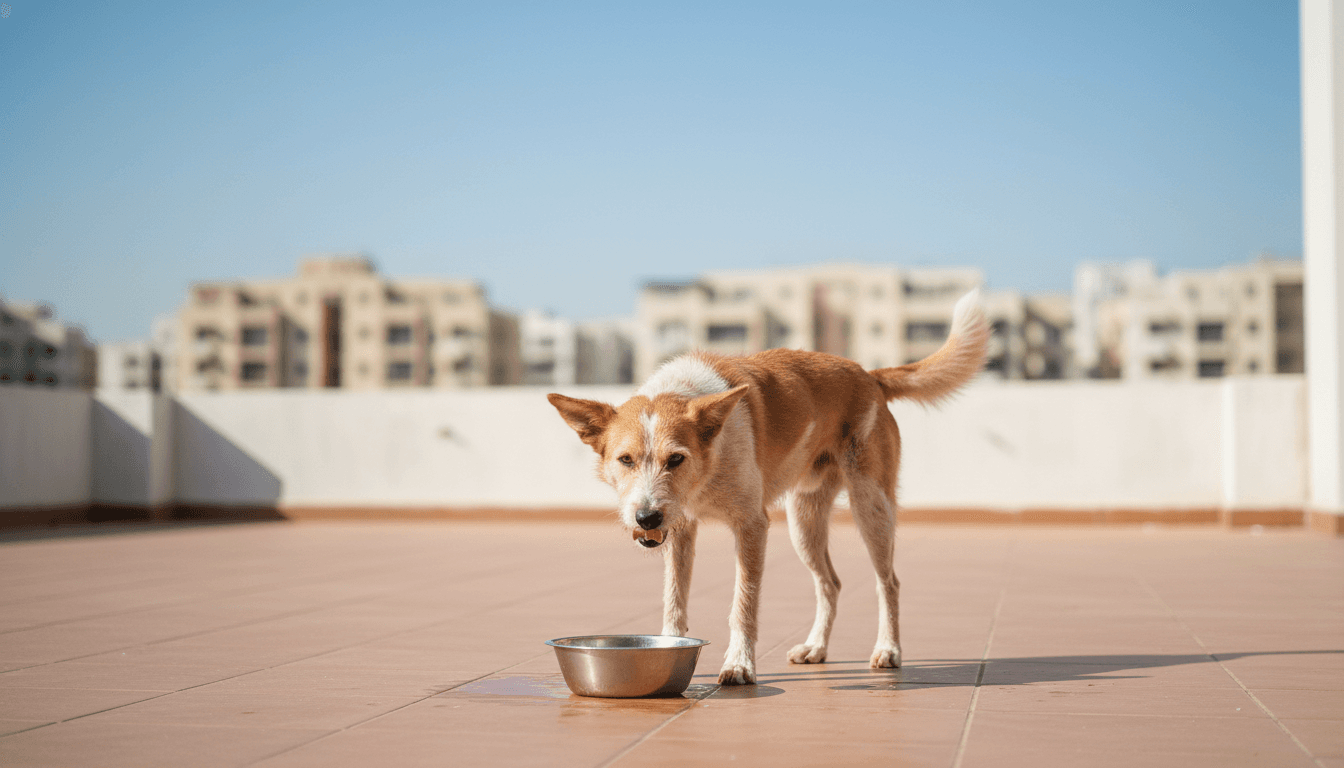
Indian summers are brutal. In cities like Chennai, Hyderabad, and Nagpur, temperatures regularly hit 42°C+ between April and June. Rubber toys left on balconies or terraces in that heat can soften, swell, or off-gas chemicals at a faster rate than the manufacturer intended. I've seen cheap TPR (thermoplastic rubber) toys turn sticky and lose shape after two weeks on a Delhi rooftop.
The bigger issue is regulation. Pet toys in India aren't subject to mandatory BIS testing the way children's toys are. The Animal Welfare Board of India (AWBI) sets welfare standards for animals but doesn't currently certify pet products. That means the safety of any toy sold here depends entirely on the manufacturer's own testing — and cheap imports often skip that entirely.
Research from Preventive Vet shows that phthalates and BPA can leach from vinyl and low-grade plastic toys during chewing. Those chemicals have documented links to hormonal disruption. The fix isn't complicated — look for toys explicitly labeled food-grade natural rubber or food-safe TPR, and avoid anything with a strong chemical smell when you open the packaging.
Materials to Trust vs. Materials to Avoid
| Material | Safety Rating | Notes for Indian Climate |
|---|---|---|
| Natural rubber | Safe | Heat-stable up to ~70°C; look for latex-free labels if dog has allergies |
| Food-grade TPR | Safe | Softer than rubber; good for seniors and puppies |
| Nylon | Conditional | Hard nylon can fracture teeth in aggressive chewers; supervise closely |
| Virgin polyester plush | Safe if seams intact | Check seam quality; loose stuffing is a swallowing hazard |
| PVC / vinyl | Avoid | Often contains phthalates; leaches faster in summer heat |
| Painted wood | Avoid unless certified | Lead paint risk in uncertified imports |
The 6 Main Toy Categories Explained
1. Chew Toys
Chew toys serve two functions: keeping teeth clean and giving a dog an outlet for the gnawing instinct. Bruno's current favorite is the KONG Classic (Large, Rs 1,200 on Heads Up For Tails), which I stuff with peanut butter and freeze overnight. The freezing slows him down and makes the toy last longer in summer when he's already low-energy from the heat. This trick also works well for dogs going through potty training — a frozen KONG keeps them occupied and out of trouble during crate time.
For dogs who chew harder — German Shepherds and Beagles especially — the standard KONG can get shredded within days. The KONG Extreme (black rubber, Rs 1,450) is the step up. I've heard from Mumbai-based trainers that they recommend KONG Extreme for any dog classified as a 'power chewer' by their owners.
Barkbutler's 'Just a Snitch' (Rs 649, available at Supertails) is a solid Indian-market alternative made from natural rubber with a minty scent that dogs seem to respond well to. It bounces erratically, which keeps fetch sessions interesting.
2. Interactive Puzzle Toys
Puzzle toys became my go-to after Bruno started barking at 6 AM every morning during lockdown in Pune. Thirty minutes with a Level 2 Nina Ottosson puzzle (the Dog Tornado, available at Supertails for Rs 2,100) and he'd settle for two hours. The cognitive drain is real — and for apartment dogs who can't run outdoors during Diwali cracker season or monsoon floods, it's a lifesaver. Dogs bred for working roles — read about best dogs for apartments in India to match breed energy levels — particularly benefit from structured mental work.
Nina Ottosson puzzles come in four difficulty levels. Start at Level 1 for puppies or dogs new to puzzles, and move up only when your dog solves the current level in under two minutes consistently. Going too hard too fast causes frustration, not stimulation.
The Trixie Activity Flip Board (Rs 1,800 at Supertails) is another strong option — it has multiple mechanisms including cones, sliders, and knobs. Unlike the Nina Ottosson puzzles, Trixie uses a mix of plastic and wood, so I'd recommend buying from authorized Indian retailers only to ensure you're getting a properly finished product without splinter risks.
3. Rope and Tug Toys
Rope toys are the most overused and misunderstood category. The cotton braiding that makes them look harmless is actually the biggest hazard — when dogs chew the strands loose and swallow the fibers, those strands can ball up in the intestine. This is called a linear foreign body and it requires surgery. I'm not being alarmist; a vet friend at Cessna Lifeline Veterinary Hospital in Bangalore told me they see two or three rope toy ingestion cases per month.
The rule with rope toys: use them for tug-of-war games only, under your supervision, and store them away when playtime ends. The Fofos Flossy Rope Toy (Rs 585, Supertails) works well for tug sessions and is machine washable, which matters in humid coastal cities like Mumbai and Kochi. If you're doing structured tug work as part of obedience training, rope toys with a firm grip handle are better than single-rope options.
4. Fetch and Ball Toys
Standard tennis balls are fine for fetch but degrade fast when chewed — the fuzzy coating is abrasive against tooth enamel over time. For dogs who bring the ball back and then gnaw on it for ten minutes before dropping it, switch to a rubber ball specifically sized for your dog.
The Fofos Super Bounce Ball (Rs 399–650 depending on size, Supertails) is made from natural latex rubber and holds up noticeably better than cheap plastic balls from local pet markets. For bigger dogs — Labradors, Golden Retrievers — go for the Large size; the Small version can fit inside a medium dog's mouth and become a choking hazard.
Goofy Tails' rubber ball range (Rs 299–499) is sold through Supertails and Pawsindia and has decent reviews for mid-size breeds. I haven't tested them personally but the feedback from Kolkata-based dog owner communities on Facebook groups has been consistently positive.
5. Plush and Soft Toys
Plush toys aren't for chewers. They're for dogs who carry things around, comfort themselves with a soft object, or play gentle fetch. If your dog disembowels a plush toy in under five minutes, skip the category entirely — the polyfill stuffing is indigestible and buttons or plastic eyes are a swallowing hazard.
For dogs who are gentler, Heads Up For Tails stocks a solid range of plush toys starting around Rs 350. Look for double-stitched seams and avoid any toy with plastic eyes or nose pieces that are glued rather than stitched through. Our collar harness dogs: comparison guide covers this in detail.
6. Squeaky Toys
The squeak mechanism in cheap toys is often a thin plastic or PVC disk inside a cloth or rubber shell. Once your dog finds and removes the squeaker — and they will — there's a round disc the perfect size to lodge in a throat. Buy squeaky toys only from reputable brands where the squeaker is embedded deep inside durable rubber, not sewn loosely into fabric.
KONG's Squeakair Balls (Rs 750 for a 3-pack) embed the squeaker in a rubber ball with no exposed seams. They're safe for indoor fetch and don't shed fuzz. Barkbutler also sells squeaky latex toys where the squeaker is fully encased.
Toy Selection by Age and Breed Size
| Life Stage | Recommended Types | Avoid |
|---|---|---|
| Puppy under 6 months | Soft rubber teethers, frozen toys, gentle rope supervised | Hard nylon, antlers, rope unsupervised |
| Adolescent 6-18 months | Durable rubber chew, interactive puzzles, tug toys | Cheap plastic balls, thin latex toys |
| Adult 18 months-7 years | Full range — match chew strength to toy material | Toys smaller than dog's paw |
| Senior 7+ years | Soft rubber KONG Senior, easy puzzles, plush toys | Hard nylon, high-impact balls, antlers |
Breed size matters more than people realize. A small rubber ball sold for 'all sizes' on a generic Amazon listing can sit inside a Labrador's mouth without any resistance — meaning it can be accidentally swallowed during enthusiastic play. The sizing rule I use: the toy should be at least 1.5x the width of your dog's open jaw. If there's any doubt, go larger. For a detailed look at how breed affects care needs across all life stages, see the puppy first year guide for India.
Indian Brand Comparison: What's Worth Buying
India's pet market has matured enough that you don't need to import everything. But not all domestic brands are equal.
| Brand | Price Range | Best For |
|---|---|---|
| Barkbutler x Fofos | Rs 359 – Rs 799 | Rubber chew toys, rope toys, latex squeaky toys |
| Goofy Tails | Rs 299 – Rs 599 | Plush toys, rubber balls for medium dogs |
| Heads Up For Tails | Rs 350 – Rs 2,500 | Full range; curated quality across categories |
| KONG international | Rs 750 – Rs 2,800 | Chew toys, treat dispensers, senior dogs |
| Nina Ottosson / Outward Hound | Rs 1,400 – Rs 3,500 | Interactive puzzles all difficulty levels |
| Trixie | Rs 800 – Rs 2,200 | Activity boards, snuffle mats, nose work toys |
Avoid buying toys from unlabeled vendors on Meesho or low-rated Amazon third-party sellers. The pricing is attractive — sometimes Rs 99 for a rubber toy — but there's no way to verify material safety. Two acquaintances in Hyderabad reported toys that smelled strongly of chemicals even after washing; one dog developed skin irritation around the mouth. Pair your toy selection with appropriate food — see the guide to dog nutrition in India for the broader health picture.
Where to Buy: Online vs. Physical Stores
Supertails (supertails.com) has the best online selection I've found, with accurate product descriptions and customer reviews that include photos. Heads Up For Tails has over 100 physical stores across India — which means you can inspect the toy, feel the material, and check the smell before buying. For first-time toy purchases, physical is better.
Zigly, Pawsindia, and Puprise are good secondary online options. Amazon works for international brands like KONG or Nina Ottosson when they're sold by authorized sellers — filter by 'Fulfilled by Amazon' or check seller rating above 4.5 stars with more than 500 reviews.
Don't buy dog toys from roadside stalls or non-specialist shops. The toy market is flooded with uncertified imports, often with no brand name, no material disclosure, and no size-safety guidance. When sourcing other supplies, our guide to choosing a pet store in India covers what to look for.
Seasonal Considerations for Indian Dog Owners
Monsoon season (June through September in most of India) is when rope and fabric toys become a problem — they stay wet for hours and grow mold in humid conditions. Switch to all-rubber or all-plastic during monsoon months, or at least rotate fabric toys into the wash and dry cycle frequently.
In peak summer, dogs in Chennai, Mumbai, and Hyderabad get less outdoor exercise. Indoor enrichment matters more. This is when puzzle toys earn their cost — a dog who's done two sessions of Nina Ottosson Level 2 in a day is genuinely tired and less likely to chew furniture or bark at the building security guard.
During Diwali, the 3-4 days of heavy firecrackers make outdoor play impossible for noise-sensitive dogs. Having a rotation of indoor toys already available — snuffle mats, puzzle boards, frozen KONGs — can significantly reduce anxiety-driven destructive behavior. Snuffle mats (Rs 800–1,500 from Trixie or HUF) are particularly good for this. If your dog needs additional calming support, the senior dog care guide for India covers anxiety management strategies that apply to adults too.
How to Check If a Toy Is Safe Before Buying
Five things to check at the point of purchase or delivery:
- Smell test: Open the packaging and smell. A strong petroleum or chemical odor means off-gassing of plasticizers — return it immediately.
- Size check: Compare the toy's smallest dimension to your dog's open jaw width. It should be larger.
- Seam and squeeze test: For plush toys, squeeze seams firmly. If they pop or you feel loose stuffing, the seams will fail quickly.
- Label check: Look for 'BPA-free', 'phthalate-free', 'food-grade rubber', or 'non-toxic paint'. No material disclosure on the label is itself a warning sign.
- Brand verification: Search the brand name plus 'reviews India' before buying anything from an unfamiliar seller.
The American Kennel Club's toy safety guidelines and the Humane World's resources on safe dog toys are two reliable reference points that Indian vet recommendations often cite. Neither is India-specific, but material safety standards translate regardless of geography.
My Current Toy Rotation for Bruno
Bruno is now 5, a Labrador with a moderate-to-strong chew drive. His current rotation: a KONG Classic stuffed with curd and banana (frozen overnight, Rs 1,200 from HUF), a Barkbutler rubber chew for solo sessions, a Trixie Activity Flip Board for mental work on hot days, and a rope tug toy stored away and only brought out when I'm sitting with him. Total investment: around Rs 4,500 over 18 months. I replace the rubber chews every six months when they show signs of tearing.
Rotating toys matters as much as picking them right. Dogs get bored with constant access to the same toys. Keeping half the rotation 'hidden' and swapping weekly maintains novelty — and novelty drives engagement. For dogs who also struggle with separation anxiety, look at the 9 essential dog care tips for Indian pet owners which covers enrichment as part of daily routine.
Frequently Asked Questions
Frequently Asked Questions
What's the safest dog toy material for hot Indian summers?
How many toys does a dog need?
Are Indian-made dog toys safe compared to imported brands?
Can I give my dog homemade toys?
At what age can puppies start using chew toys?
The Short Version
Buy from established brands or retailers. Natural rubber beats PVC every time. Match toy size to jaw size — when in doubt, go larger. Keep rope toys supervised-only. Rotate what you have rather than buying more. And in Indian summer, check outdoor toys for heat degradation once a month.
For new dogs and puppies, start with a KONG (age-appropriate hardness) and one basic puzzle toy. Add variety as you learn what your specific dog gravitates toward. For breed-specific guidance on what suits your dog's energy levels, the best dogs for first-time owners in India covers activity needs alongside temperament.