Why Indian Homes Need a Different Pet-Proofing Approach
My Labrador was eight weeks old when she yanked a phone charger off the nightstand and chewed through the cable in under 30 seconds. No spark, thankfully, but the plastic casing split clean open. That single scare sent me through every room of our Pune flat with a notepad, and I found 14 separate hazards before I reached the kitchen. Exposed wiring behind the TV. Phenyl under the bathroom sink with no latch. Balcony railing gaps wide enough for a puppy skull.
Indian homes carry risks you won't find in Western pet-proofing guides. Mosquito coils on the floor, naphthalene balls in every cupboard, open-flame gas stoves at dog-nose height, and balconies with railing gaps that builders never designed with a 4 kg puppy in mind. According to ASPCA Animal Poison Control Center data, household products account for 7.1% of all pet poisoning calls, and over-the-counter medications top the list at 16.8%. Those numbers climb when your home stores half its chemicals in open buckets under the sink.
This checklist breaks your home into six zones. Each zone lists the actual hazards, the fix, and what the fix costs in rupees. I've priced everything from local hardware stores and Amazon.in so you can pet-proof a 2BHK for under Rs 5,000 total.
Key Takeaways
- Indian-specific hazards like phenyl, naphthalene balls, mosquito coils, and open gas stoves cause most indoor pet poisoning cases
- Balcony safety nets cost Rs 13-25 per square foot installed, and they're non-negotiable for any flat above ground floor
- You can pet-proof a full 2BHK apartment for under Rs 5,000 using locally sourced hardware
- The Animal Welfare Board of India (AWBI) mandates that housing societies cannot ban pet dogs from apartments under the PCA Act 1960
- Monthly safety audits catch new hazards from worn-out cord covers to shifted furniture that exposes previously blocked gaps
Zone 1: Kitchen
The kitchen kills more dogs than any other room. Not through aggression or accidents, but through food left on counters. Onions, garlic, grapes, and xylitol-containing sugar-free products are all toxic to dogs, and Indian cooking uses onions and garlic in almost every dish. A single onion can trigger hemolytic anemia in a medium-sized dog, according to the ASPCA toxic food database.
Gas stove knobs sit right at nose height for most Indian breeds. My neighbour's Beagle in Bangalore turned on a burner by pawing the knob while jumping for scraps. Stove knob covers cost Rs 150-300 for a set of four on Amazon.in. Buy them the day you bring your dog home.
The wet waste bin under Indian kitchen sinks is a magnet. Fish bones, chicken bones, and paneer wrappers smell irresistible, and fish bones can perforate a dog's intestinal wall. Swap your open basket for a pedal bin with a locking lid. Brands like Cello and Milton sell stainless steel pedal bins from Rs 600 to Rs 1,200 depending on capacity.
| Hazard | Fix | Cost (INR) |
|---|---|---|
| Onion/garlic on counter | Store in closed upper cabinet or wall-mounted rack | Rs 200-400 |
| Open wet waste bin | Pedal bin with locking lid (Cello, Milton) | Rs 600-1,200 |
| Gas stove knobs | Silicone knob covers, set of 4 | Rs 150-300 |
| Floor cleaner under sink | Child-proof latch on cabinet door | Rs 80-150 per latch |
| Open spice jars (turmeric, chilli) | Sealed containers in upper shelf | Rs 0 (rearrange) |
Kitchen Storage Hacks
One item I missed for months: the steel plate rack next to the sink. My dog would pull plates off the bottom rack, and the crash on tile flooring sent sharp shards everywhere. A simple Rs 50 bungee cord around the rack legs fixed that overnight.
Keep your dog's own food in a sealed container too. Kibble bags left open attract cockroaches and rats, and rat poison is the eighth most common pet toxin according to ASPCA data, causing bleeding disorders, kidney failure, or death.
Zone 2: Bathroom and Washroom
Phenyl. That's the single biggest bathroom hazard in Indian homes. Most families store Harpic, phenyl, or Lizol under the bathroom sink or on the floor beside the toilet. Phenyl contains carbolic acid, and even a few licks off a freshly mopped floor can cause chemical burns in a dog's mouth and esophagus. The fix takes 90 seconds: move every cleaning chemical to a shelf above waist height, or install a Rs 80 child-proof latch on the under-sink cabinet.
Toilet water is another trap that Western guides actually do cover, but they don't mention Harpic residue. In India, many households pour Harpic into the bowl and leave it for hours. Your dog doesn't know the blue water is corrosive. Keep the toilet lid down at all times, or install a toilet lock clip for Rs 120-200.
Naphthalene balls show up in bathroom cabinets, shoe racks, and almirah drawers across India. According to research published in PMC, naphthalene ingestion causes methemoglobinemia in dogs, destroying red blood cells and leading to anemia, seizures, and potentially death. One mothball can poison a small dog. Replace naphthalene with neem leaves or dried lavender sachets, both of which repel insects without toxicity.
Warning
If your dog licks phenyl or Harpic residue off a freshly mopped floor, rinse the mouth with clean water immediately and rush to the nearest vet. DCC Animal Hospital (Delhi), Cessna Lifeline (Bangalore), and Max Vets (multiple cities) handle toxin emergencies 24/7. Keep your emergency contacts list pinned to the fridge.
Zone 3: Balcony and Windows
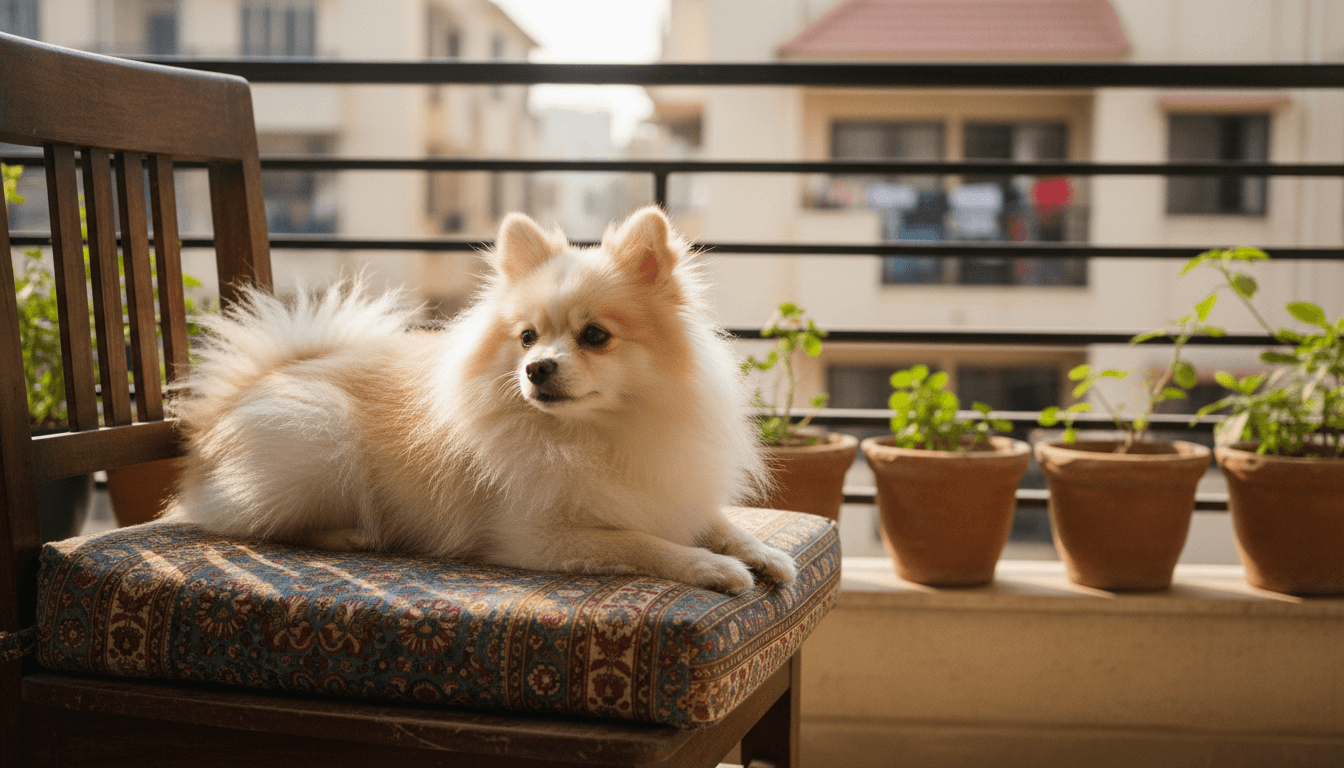
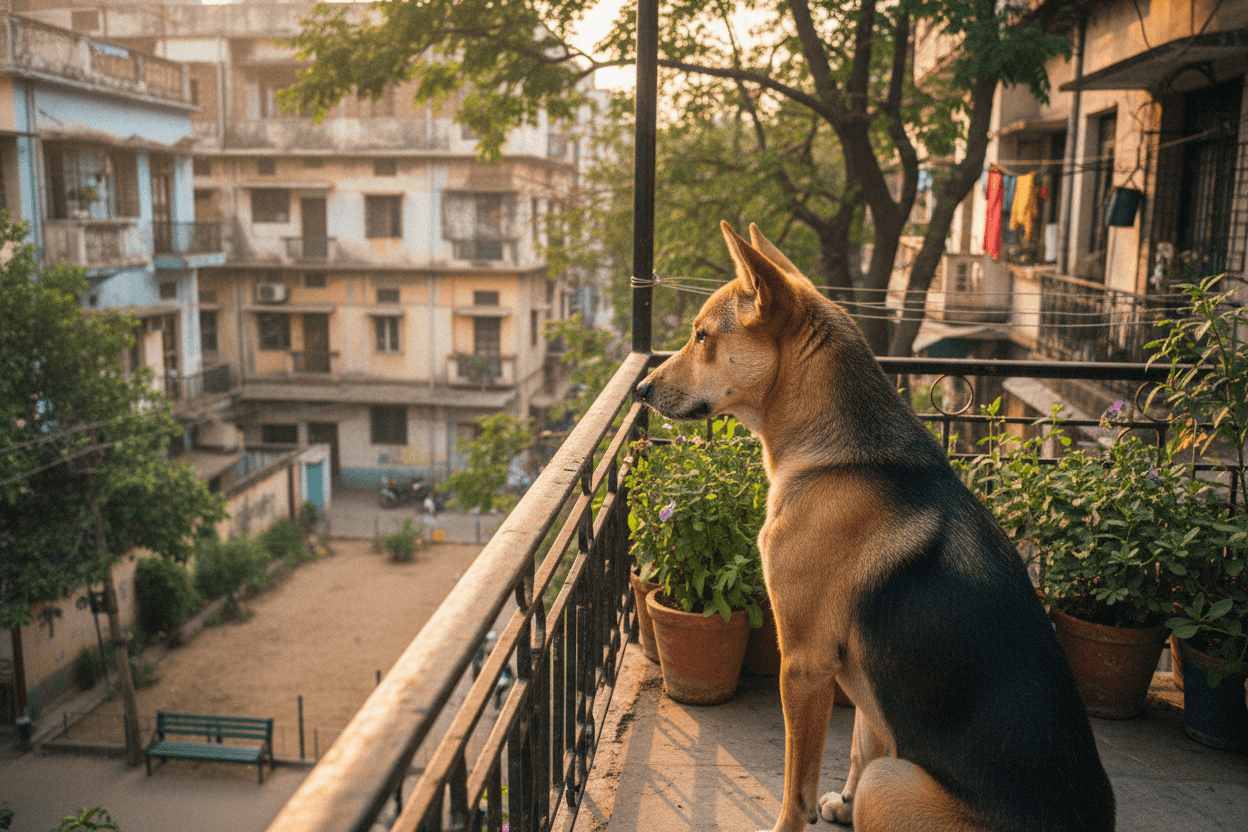
Indian apartment balconies were designed for drying clothes, not containing dogs. Builder-grade railings in most Mumbai, Pune, and Hyderabad apartments have gaps of 10-15 cm between vertical bars. A Dachshund, Pomeranian, or any puppy under 5 kg can squeeze through those gaps. Falls from even a second-floor balcony (roughly 6 metres) are often fatal for small breeds.
Balcony safety nets solve this permanently. Companies like Jeevan Safety Nets (Bangalore, with branches in Chennai, Mumbai, Pune, and Hyderabad) and Durga Safety Nets install HDPE or nylon nets at Rs 13-25 per square foot. For a standard 40 sq ft balcony, the total comes to Rs 520-1,000 with free installation. Request UV-stabilised netting. Regular nylon degrades in direct sunlight within 18 months, and you won't notice the weakening until a net panel tears.
Windows are the balcony's quieter cousin. Sliding windows without mesh screens let dogs jump or fall out, and the wire mesh on older windows rusts through in coastal cities like Mumbai and Chennai. Check every window mesh twice a year during and after monsoon season. Replacement mesh costs Rs 30-50 per square foot at any local hardware shop.
DodoDoggy Tip
The AWBI's 2015 circular (awbi.gov.in) confirms that housing societies cannot ban residents from keeping pet dogs, and pets cannot be restricted from common areas if leashed. If your society objects to balcony nets, cite this circular. The Prevention of Cruelty to Animals Act, 1960 backs your right to ensure pet safety.
Zone 4: Living Room and Electrical
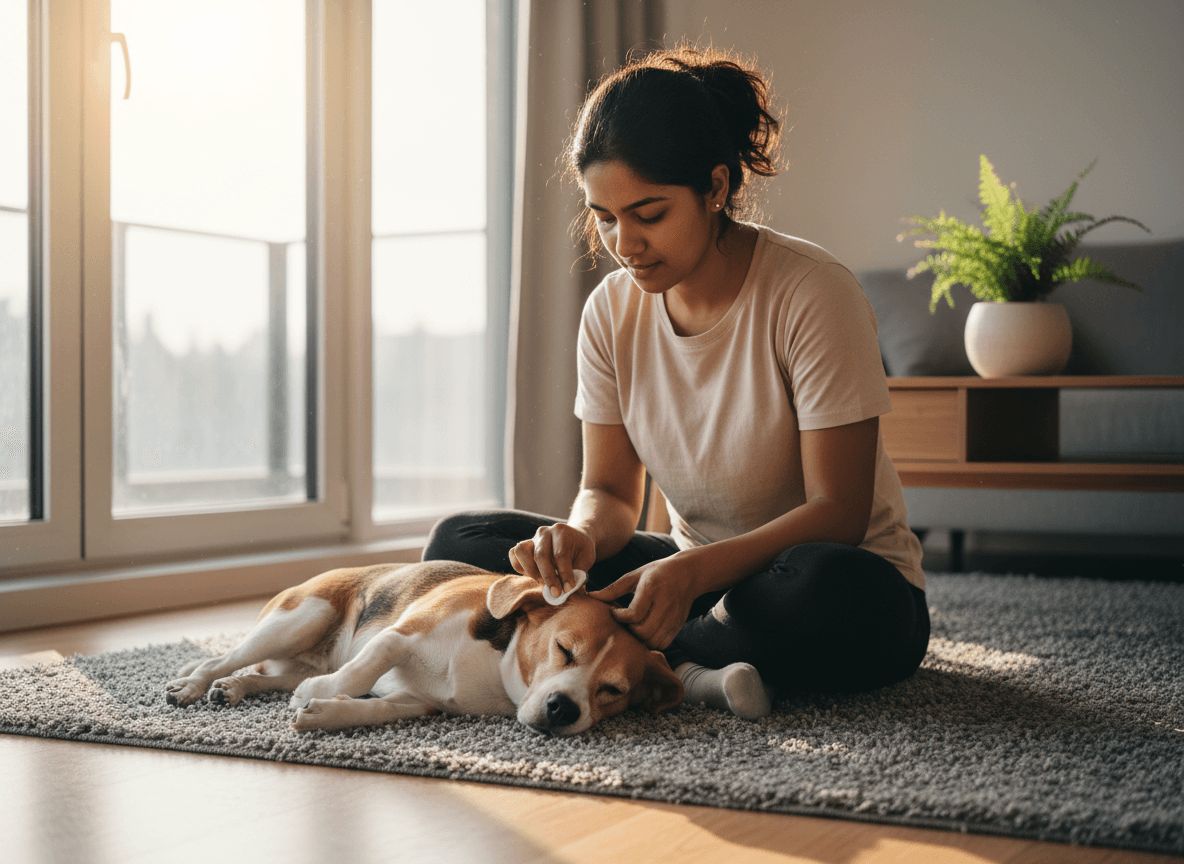
Wiring in Indian homes is a horror show for dogs. Extension boards on the floor, charger cables dangling from beds, and TV cables running along baseboards without any conduit. Puppies chew through live wires because the rubber coating feels good on teething gums. Electrical burns to the mouth, cardiac arrest, and house fires are all documented outcomes.
Start with the cables behind your TV and WiFi router. Bundle them into a cable management box (Rs 200-500 on Amazon.in for brands like Cableor and JEEJEX). Run remaining exposed wires through PVC conduit, which costs Rs 15-25 per foot at any electrical supply store. If your dog targets specific cables, apply bitter apple spray (Himalaya makes a pet-safe bitter spray for Rs 250) or wrap the cables in split-loom tubing.
Extension boards deserve their own rule: never leave one on the floor. Wall-mount it using a Rs 30 bracket, or route it behind furniture where paws can't reach. I've seen two cases in our Pune pet parents' WhatsApp group where dogs bit into floor-level extension boards and needed emergency treatment for oral burns. Both dogs survived, but vet bills exceeded Rs 8,000 each.
| Risk | Solution |
|---|---|
| Loose charger cables | Unplug and store in drawer when not charging |
| Floor-level extension boards | Wall-mount with bracket (Rs 30) or move behind furniture |
| TV/router cable cluster | Cable management box (Rs 200-500) |
| Exposed wall wiring | PVC conduit (Rs 15-25/ft) from any electrical shop |
| Puppy teething on cords | Bitter apple spray (Rs 250) or split-loom tubing |
Zone 5: Bedroom and Medication Storage
Indian bedrooms collect medications on nightstands. Crocin, Combiflam, Digene, thyroid pills, and blood pressure tablets sit openly on bedside tables or dressing tables across most homes. According to ASPCA's 2023 data, over-the-counter medications account for 16.8% of all pet poisoning calls, making them the single largest category. Ibuprofen (found in Combiflam) causes kidney failure and stomach ulcers in dogs. Paracetamol (Crocin, Dolo) destroys liver cells.
Move every medication into a zipped pouch or locked drawer. This includes your purse or bag on the bed, which often contains loose pills, sugar-free gum (xylitol is lethal to dogs), and chocolate. Our collar harness dogs: comparison guide covers this in detail.
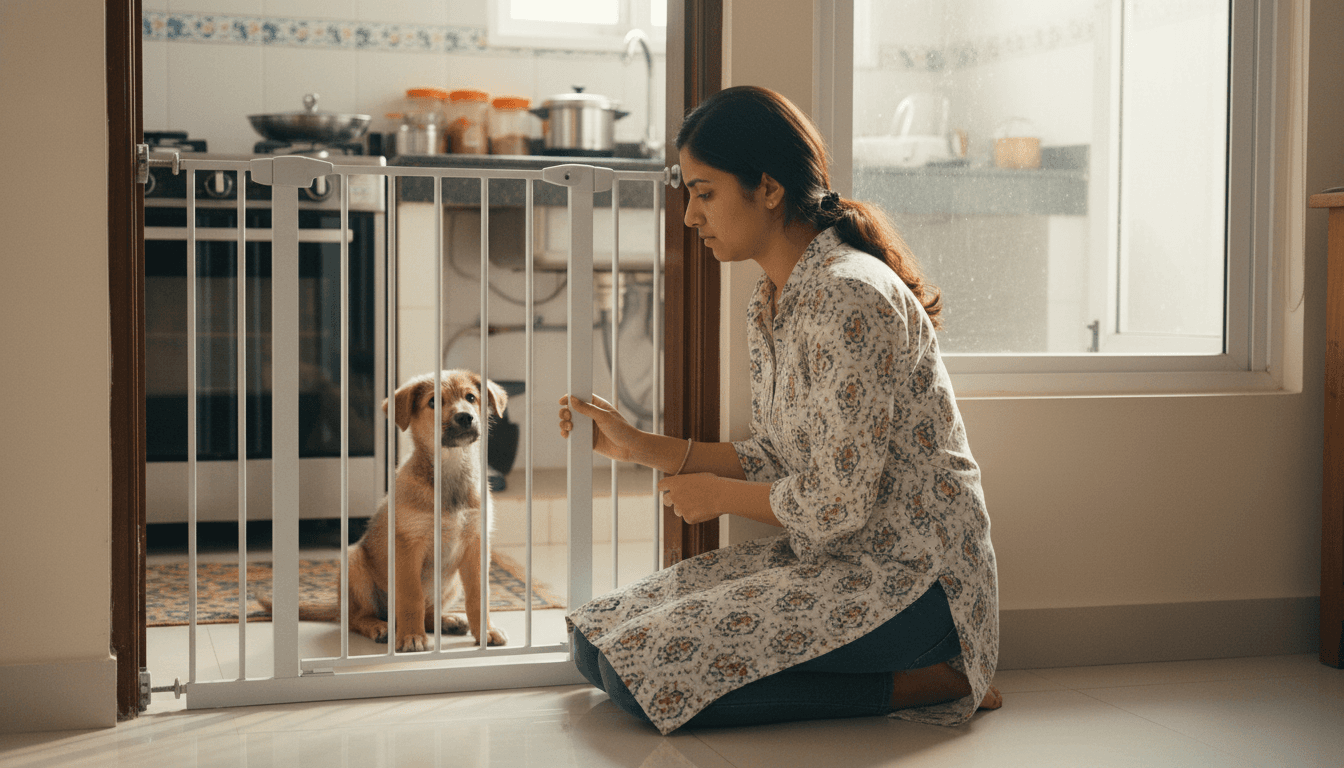
Bedroom doors in older Indian homes often have gaps at the bottom wide enough for small puppies to squeeze under. A draft stopper (Rs 150-300) seals the gap and stops puppies from escaping into unsupervised areas. For rooms you want completely off-limits, pet gates work better. Pressure-mounted metal pet gates are available on Flipkart and Amazon.in from Rs 1,500 to Rs 3,500. Kiddale and Pets Empire are two brands with good reviews for Indian door widths.
Zone 6: Indoor Plants and Garden
Money plant, aloe vera, dieffenbachia, oleander, and sago palm are five of the most popular houseplants in Indian homes. All five are toxic to dogs. Sago palm is the deadliest: every part of the plant contains cycasin, which causes severe liver failure. The ASPCA's toxic plant list confirms that even small ingestions of sago palm can be fatal without immediate veterinary treatment.
Raat ki Rani (night-blooming jasmine) grows on balcony trellises and garden walls throughout Delhi, Mumbai, and South Indian cities. The berries are toxic to dogs and drop onto the ground where curious puppies find them. If you can't remove the plant, fence it off with chicken wire at ground level.
Safe alternatives that thrive in Indian conditions include spider plants, Boston ferns, areca palms, and bamboo palms. All four are non-toxic to dogs per ASPCA data, tolerate Indian humidity, and don't need direct sunlight. Spider plants also purify indoor air, making them a practical swap for money plant.
Tulsi (holy basil) is safe for dogs and grows in almost every Indian household. The small pots on windowsills or balcony ledges won't harm your dog if they nibble a leaf. Curry leaf plants are also non-toxic, though your dog probably won't enjoy the taste.
| Toxic (Remove or Fence) | Safe Alternatives |
|---|---|
| Money plant (Pothos) | Spider plant |
| Aloe vera | Boston fern |
| Sago palm | Areca palm |
| Dieffenbachia (Dumb Cane) | Bamboo palm |
| Oleander | Tulsi (holy basil) |
Seasonal Hazards in Indian Homes
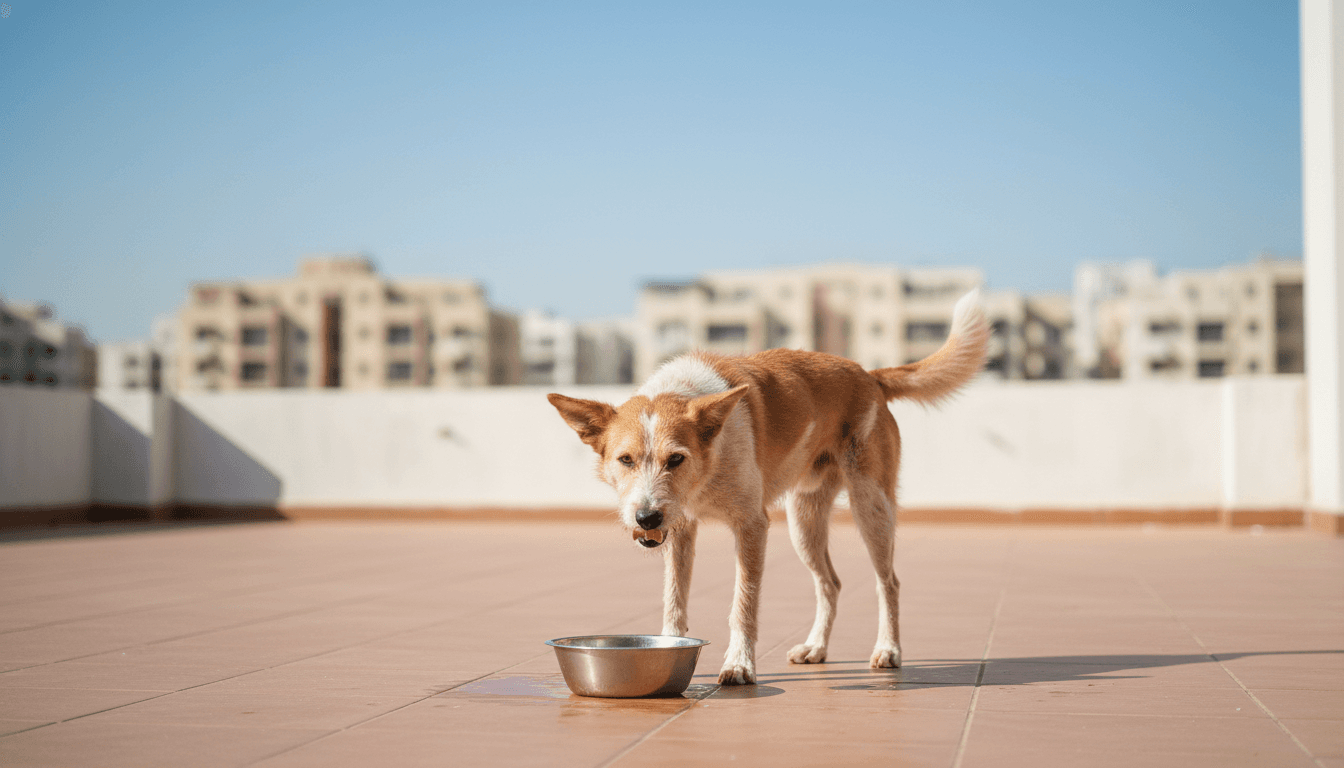
India's three extreme seasons create rotating hazards. During summer (March through June), tile and marble floors in south and west-facing rooms absorb heat and can burn paw pads. Balcony surfaces in cities like Jaipur, Nagpur, and Ahmedabad hit 55-60 degrees Celsius in peak afternoon sun. Never let your dog onto an exposed balcony between 11 AM and 4 PM from April to June.
Monsoon (June through September) brings a different problem. Dampness causes wooden furniture legs to swell and split, creating sharp splinters at dog height. Metal fixtures rust faster in coastal humidity. Check monsoon care basics every June: inspect window mesh for rust holes, replace any degraded cable conduit, and ensure balcony drains aren't clogged (standing water breeds mosquitoes, and your dog will drink it).
Winter in North India (December through February) sends families to room heaters and blowers. Halogen heaters with exposed elements burn dogs who lie too close. Oil-filled radiators are safer but still get hot enough to scald. Maintain a one-metre clearance zone around any heater using a pet barrier or furniture placement. Read our heat stroke prevention guide for the full summer protocol.
Read also: best dog beds available in India in 2026.
Breed-Specific Adjustments
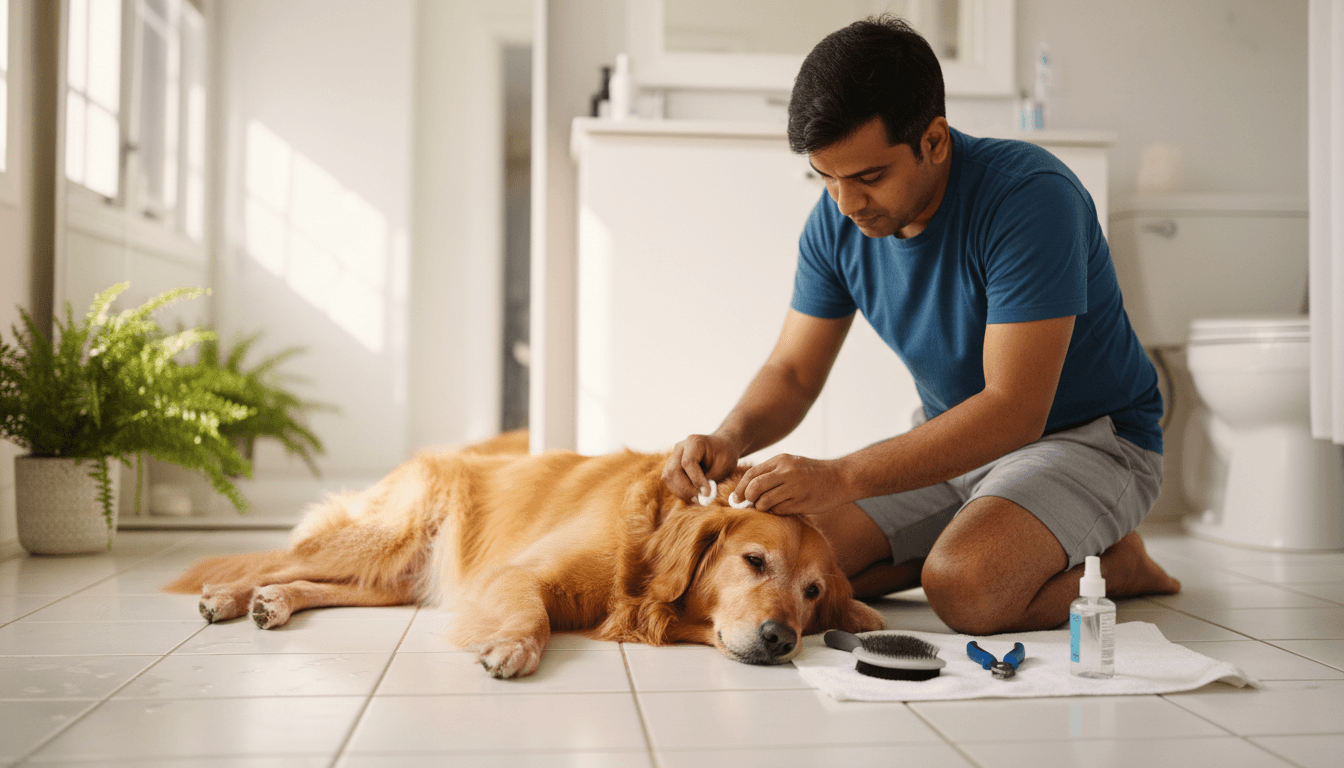
A Pomeranian needs different protection than a Labrador. Small breeds (under 8 kg) face fall risks from furniture, beds, and stairs. A Shih Tzu jumping off a cot that's 60 cm high can fracture a leg, especially under 12 months when bones haven't fully calcified. Pet ramps or steps for bed access cost Rs 800-2,000 on Amazon.in.
Large breeds like Labradors, Golden Retrievers, and Indian Pariah Dogs have the opposite problem: their size lets them reach counters, dining tables, and upper shelves. Counter-surfing is how most large dogs access toxic food. Push all food items at least 30 cm from counter edges, and use back burners on the gas stove instead of front ones.
Brachycephalic breeds (Pugs, Bulldogs, Boxers) overheat faster in Indian summers. These dogs need cooler indoor zones, and rooms with direct sun exposure should be blocked off between noon and 5 PM. A fan alone won't cut it for a Pug in a Chennai apartment during May. Cooling mats (Rs 500-1,500 on Amazon.in) placed in shaded rooms provide consistent relief.
Monthly Safety Audit
Pet-proofing isn't a one-time job. Dogs grow, furniture moves, new products enter the house, and seasonal changes introduce fresh risks. Run a 15-minute walkthrough once a month using this sequence.
- ✓Check all window and balcony mesh for rust holes or tears
- ✓Test child-proof latches on kitchen and bathroom cabinets (they loosen over time)
- ✓Inspect cable conduits and cord covers for chew damage
- ✓Verify no new medications or chemicals have been left at dog-accessible height
- ✓Confirm wet waste bin latch works properly
- ✓Look under furniture for small objects (pen caps, earbuds, rubber bands) that rolled out of sight
- ✓Check all houseplants for dropped leaves or berries on the floor
- ✓Test pet gate pressure mounts to confirm they haven't shifted
- ✓Inspect halogen heater clearance zone before winter begins
- ✓Verify balcony drain isn't clogged before monsoon season
Total Cost Breakdown
Here's what a full pet-proofing run costs for a standard 2BHK apartment in a city like Pune, Bangalore, or Hyderabad. Prices are from Amazon.in, Flipkart, and local hardware stores as of early 2026.
| Item | Cost (INR) |
|---|---|
| Child-proof cabinet latches (6 pack) | Rs 480-900 |
| Stove knob covers (set of 4) | Rs 150-300 |
| Pedal bin with locking lid | Rs 600-1,200 |
| Balcony safety net (40 sq ft) | Rs 520-1,000 |
| Cable management boxes (2) | Rs 400-1,000 |
| PVC conduit (20 ft) | Rs 300-500 |
| Pet gate (1 doorway) | Rs 1,500-3,500 |
| Bitter apple spray | Rs 250 |
| Draft stoppers (2 doors) | Rs 300-600 |
| Toilet lock clip | Rs 120-200 |
| Total range | Rs 4,620-9,450 |
Money Saver
Skip the pet gate initially if budget is tight. Use a sturdy cardboard box or a baby gate borrowed from friends to block doorways temporarily. The three non-negotiable purchases are balcony nets, cabinet latches, and a locking waste bin. Those three items cost under Rs 2,000 combined and prevent the most dangerous scenarios.
Renter-Friendly Pet-Proofing Tips
If you're renting, you need solutions that don't damage walls or require landlord permission. Pressure-mounted pet gates leave no screw holes. Adhesive cable clips replace conduit without drilling. Command strips hold lightweight items to walls without nails. For balcony nets, most landlords agree once you explain the safety need, especially if you offer to cover removal costs (typically Rs 300-500) when you move out.
Renters should also document the apartment's condition before installing anything. Take dated photos of walls, floors, and fixtures. This protects your security deposit and gives you evidence if the landlord disputes modifications later.
What to Do Next
Get the new pet checklist sorted before your puppy arrives. Pet-proofing is one piece; vaccination schedules, crate training setup, and a poisoning emergency plan should all happen in the same week.
Walk through your home with fresh eyes every time something changes: new furniture, a baby arriving, a festival like Diwali (firecrackers and food scraps create temporary hazards), or a seasonal shift. The checklist above isn't a one-time exercise. Dogs adapt, explore new spots, and find weaknesses you missed. Stay one step ahead, and your home stays safe.
You'll find good options like Harish pathak pet shop in pune in Durvankur Colony, Indrayani Nagar, Shivtirth Nagar, Thergaon — rated 4.8/5. Check our pet stores in Pune directory for more choices near you.
You'll find good options like Heads Up For Tails Pet Store - Orion Mall, Bengaluru in West, Malleshwaram — rated 5.0/5. Check our pet stores in Bengaluru directory for more choices near you.