Key Takeaways
- Choose puppy food with 22-28% protein and DHA for brain development during the critical first year
- Budget Rs 3000-8000/month for quality nutrition; compare brands by price per feeding, not just per kg
- Indian climate requires airtight storage and freshness checks, especially during monsoon humidity
- Transition from 4 meals/day at 2 months to 2-3 meals by 6 months based on breed size
- Consider breed-specific needs: Indian Pariah puppies may thrive on different formulas than imported breeds
Puppy Nutrition by the Numbers
Introduction
A puppy's nutritional needs during its first 12 months directly determine its adult health, coat quality, and bone strength. In India, the puppy food market ranges from budget kibble at Rs 200/kg to premium imports at Rs 800/kg, and price alone does not predict quality. This guide breaks down protein content, ingredient sourcing, and feeding schedules for Indian puppies by breed size.
Understanding Puppy Nutrition Requirements in India
Puppies are basically tiny growth machines. Those machines need fuel — the right kind, in the right amounts.
Start with protein. Puppies need 22-28% crude protein minimum, according to AAFCO standards. Most quality brands in India actually go higher, offering 26-30%. Why? Puppies require 2-3 times more protein per kilogram of body weight compared to adult dogs. That's biology, not marketing.
When Kuttie came home as a scrawny two-month-old pup, my vet emphasized two things: DHA and calcium. DHA (an omega-3 fatty acid) supports brain development during those first months. Calcium, paired with phosphorus in a 1.2:1 to 1.4:1 ratio, builds strong bones without causing developmental issues that plague large breed puppies. Too much calcium risks hip dysplasia. Too little means weak bones and teeth. According to WSAVA's Global Nutrition Guidelines, these ratios are the single most important factor in large breed skeletal development.
India-specific considerations matter here. Our climate variations — 15°C in winter to 45°C in Chennai summers — affect puppy metabolism rates by up to 20%. Your puppy might need adjusted caloric intake depending on the season. Bruno ate noticeably more during his first winter than summer, even with similar activity levels.
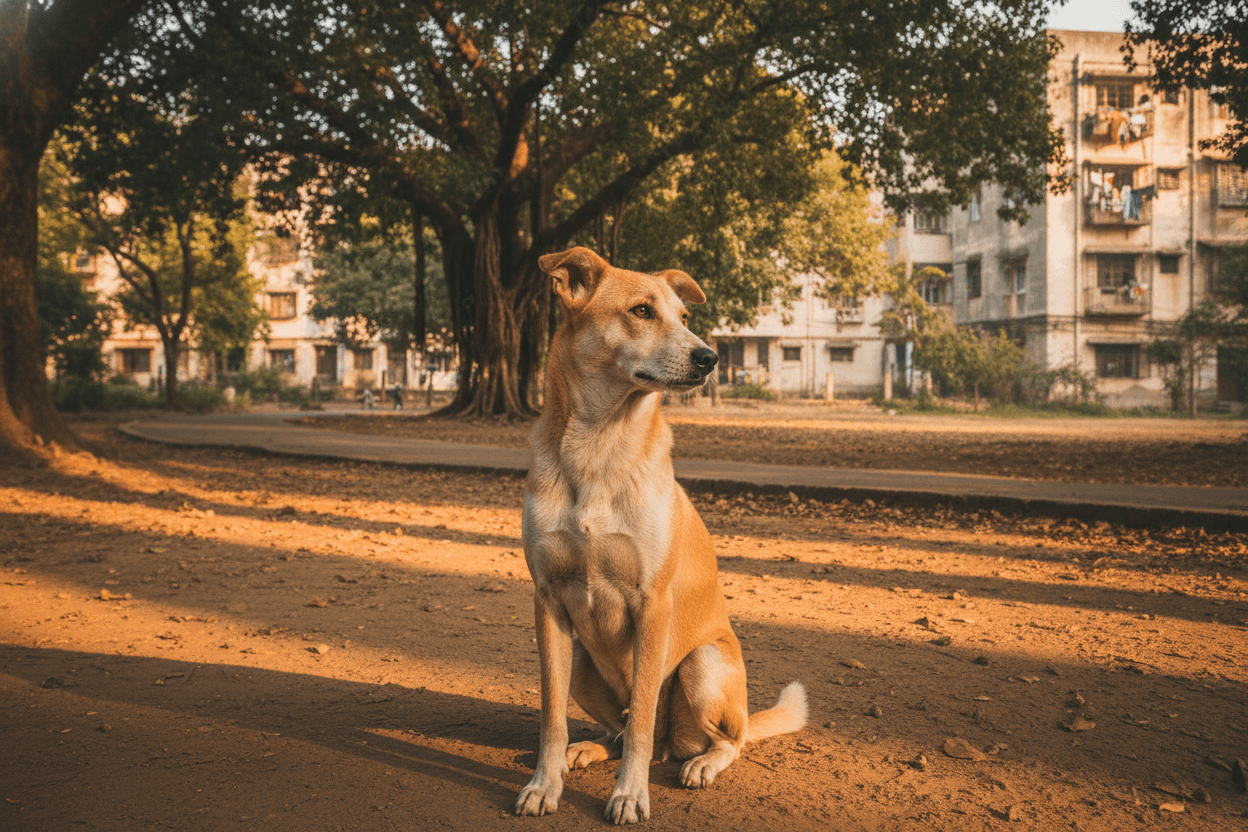
Breed matters too. Indian Pariah puppies (like Kuttie) often do brilliantly on mid-range foods that foreign breeds might struggle with. Their generations of adaptation to Indian conditions mean they're less fussy and often have hardier digestive systems. Meanwhile, Pom-Pom needed a small-breed-specific formula because his tiny jaw couldn't handle regular kibble size.
Key nutritional requirements for Indian puppies: 22-28% minimum protein (higher is often better), 1.2:1 to 1.4:1 calcium-to-phosphorus ratio for large breeds, DHA from fish oil or egg sources for brain development, and digestible carbohydrates like rice, sweet potato, and oats. Puppies in tropical regions like Bangalore and Mumbai need 10-15% higher water intake due to increased panting. Always have fresh water available, especially when feeding dry kibble.
Top 10 Best Puppy Food Brands in India: Complete Comparison
Standing in the pet store aisle or scrolling through endless options online can feel completely overwhelming. Here's an honest breakdown of the brands actually available in India — not just the imported options you'll rarely find outside metros.
Royal Canin dominates the premium segment with about 28% market share. Worth the premium? In my experience, yes — especially their breed-specific formulas. But you're paying Rs 450-550 per kg. Pedigree Puppy, meanwhile, has 95% distribution coverage across India. You'll find it everywhere from Chennai to tier-3 cities, priced at Rs 280-320 per kg. Reliable, nothing fancy.
Drools and Farmina have been growing 40% year-over-year in smaller cities. They hit that sweet spot between quality and affordability. Farmina's N&D line (Rs 380-450/kg) uses novel proteins like ocean fish and pumpkin. Drools (Rs 250-350/kg) offers good value with real chicken as the first ingredient. If you're weighing whether the premium import is worth it, check out this breakdown on whether Royal Canin justifies its price for Indian dogs before committing.
Here's what price per kg doesn't tell you: feeding cost per day. A 5kg puppy eating premium food at Rs 500/kg might cost less monthly than the same puppy on budget food at Rs 250/kg if the cheaper option requires double the serving size due to fillers. Do the math based on feeding guidelines.
Imported brands like Acana, Orijen, and Taste of the Wild cost Rs 600-800 per kg when you can find them. The ingredient lists are impressive — 70-80% meat content, no grains, exotic proteins. But availability is patchy outside metros. I use Acana for Pom-Pom but have had to order online three times when local stores ran out.
Regional availability matters more than you'd think. Brands like Pedigree, Drools, and Royal Canin are everywhere. Farmina and Brit Care are growing but still metro-heavy. If you live outside major cities, factor in whether you can actually restock reliably.
Puppy Food Brand Comparison: Price and Protein
| Brand | Price (Rs/kg) | Protein % |
|---|---|---|
| Royal Canin Puppy | 450-550 | 30-33% |
| Pedigree Puppy | 280-320 | 26-28% |
| Farmina N&D Puppy | 380-450 | 32-35% |
| Drools Puppy | 250-350 | 28-30% |
| Acana Puppy | 650-800 | 33-35% |
| Brit Care Puppy | 320-380 | 28-30% |
| Arden Grange Puppy | 480-550 | 26-28% |
| Taste of the Wild Puppy | 700-850 | 32% |
| Orijen Puppy | 750-900 | 38% |
| Purepet Puppy | 180-240 | 24-26% |
Vegetarian vs Non-Vegetarian Puppy Food Options
This question comes up constantly, especially in India. Can your puppy thrive on vegetarian food? The short answer: it's complicated.
Dogs are facultative carnivores, which means they can survive on plant-based diets but they're biologically designed to eat meat. Puppies, with their higher protein needs, make this even trickier. That said, I've met vegetarian dog owners in Chennai who've raised healthy pups on properly formulated plant-based diets — but notice I said 'properly formulated.'
Veterinary experts emphasize that vegetarian puppy diets require serious supplementation. You can't feed rice and dal and call it a day. You need fortified commercial vegetarian formulas or carefully planned homemade diets with calcium, vitamin D, B12, iron, zinc, and essential amino acids like taurine and L-carnitine that are naturally abundant in meat.
Brands like Dogsee Veda and Pedigree offer vegetarian puppy options using soy protein, peas, and lentils, fortified with synthetic nutrients. For some puppies they work, but growth rates can vary. Curious about the homemade vs commercial food tradeoffs for Indian conditions? That comparison covers costs and nutritional gaps in detail.
If you're considering non-vegetarian options, you've got choices beyond chicken. Buffalo meat is increasingly common in Indian formulas — lean, protein-rich, and cheaper than imported options. Goat meat appears in some regional brands. Ocean fish (like in Farmina) offers omega-3s and novel protein for pups with chicken sensitivities.
After raising three dogs with different needs: if ethical concerns drive you toward vegetarian feeding, work closely with a vet nutritionist. Get regular blood work done during the first year to catch deficiencies early. Non-vegetarian options are simply easier to get right nutritionally. Local protein sources like chicken and buffalo are affordable, widely available, and closely match what puppies' digestive systems evolved to process.
Practical considerations: vegetarian formulas require careful label reading for complete nutrition. Non-veg options offer easier amino acid profiles for growth. Buffalo and goat are good local protein alternatives to chicken. Fish-based foods provide anti-inflammatory omega-3s, and hybrid feeding (mostly veg with occasional eggs or fish) is an option some Delhi and Bangalore pet parents choose.
Age-Based Feeding Guide: 2 Months to 12 Months
When Bruno came home at eight weeks, I had no clue how much to feed him. Too much, and I'd risk hip dysplasia. Too little, and he'd miss critical growth windows. Here's what I wish someone had told me.
At 8-12 weeks (2-3 months), your puppy needs four meals daily, totaling about 5-6% of their body weight. Four. I know that sounds intense, but their tiny stomachs can't handle large portions, and metabolism is running at full speed. For a 3kg puppy, that's roughly 150-180 grams spread across the day.
Bruno's schedule looked like this: 7 AM, 12 PM, 5 PM, 9 PM. Consistency matters. Same times daily helps with housetraining too, because what goes in on schedule comes out on schedule.
From 3-6 months, drop to three meals daily — breakfast, lunch, dinner. Total food amount is now 4-5% of body weight. This is when growth really accelerates. Kuttie went from 4kg to 12kg in this window. Portions increase even as meal frequency drops.
At 6-12 months, most puppies can handle two meals daily. Small breeds like Pom-Pom transitioned earlier (around 5 months) because they mature faster. Large breed puppies should stay on three meals longer to prevent bloat risk from single large portions.
Veterinary orthopedic studies confirm that overfeeding in large breed puppies increases hip dysplasia risk by 30-40%. That's significant. So if you've got a Lab, German Shepherd, or Golden Retriever puppy, err on the lean side. You should feel their ribs without pressing hard, but not see them prominently.
Portion sizes vary wildly by breed. A 2-month-old Pomeranian eats maybe 40-50 grams daily. A 2-month-old Lab puppy needs 200-250 grams. Always check the feeding chart on your specific food bag — they vary by caloric density.
Small breeds (under 10kg adult weight) reach 90% adult size by 9-10 months and can switch to adult food around 10-12 months. Large breeds keep growing until 12-14 months and need puppy formula longer. Giant breeds? Some vets recommend specialized growth formulas until 18-24 months.
And please transition gradually. Mix 25% new food with 75% old for 2-3 days. Then 50-50. Then 75% new. This prevents the digestive upset that hits 60% of puppies with sudden diet changes. I learned this the hard way with Bruno — one abrupt switch resulted in three days of diarrhea and a very stressed household in our Mumbai flat.
Puppy Feeding Schedule by Age
| Age | Meals/Day | Daily Amount |
|---|---|---|
| 2-3 months | 4 meals | 5-6% body weight total |
| 3-6 months | 3 meals | 4-5% body weight total |
| 6-9 months | 2-3 meals | 3-4% body weight total |
| 9-12 months | 2 meals | 2.5-3.5% body weight total |
| 12+ months | 2 meals | 2-3% adult weight |
India-Specific Feeding Challenges and Solutions
Let's talk about the stuff the imported feeding guides don't mention. Feeding a puppy in Chennai is different from feeding one anywhere else.
Monsoon storage is my annual nightmare. Humidity turns kibble rancid within days if you're not vigilant. I learned this when a 10kg bag of Bruno's food developed that telltale musty smell halfway through. Now I store kibble in airtight containers (those big Tupperware-style bins) with silica gel packets. Buy smaller bags during monsoon season even if the per-kg price is higher — a 3kg bag you'll finish in two weeks beats a moldy 10kg bag you'll toss.
Check expiry dates religiously. And check the manufacturing date too. Some stores stock food that's already six months old. In our climate, freshness matters more than in temperate regions where kibble can sit stable for a year.
Summer brings different challenges. Puppies pant more, drink more water, and often eat less. Pom-Pom's appetite drops noticeably when temperatures hit 40°C. Slightly moistening kibble with water or low-sodium broth makes it more appealing. Some pet parents switch partially to wet food during peak summer — but watch the cost, since wet food runs 3-4 times pricier per feeding.
Hydration becomes non-negotiable. I keep three water bowls around the house during summer, changing them twice daily. Stale warm water? Puppies won't drink it.
Festival feeding is another challenge unique to Indian households. Diwali sweets, guests slipping samosas to your puppy — it happens. My rule: no human food during festivals, period. Guest education matters. One piece of oily paratha can trigger pancreatitis. If you want a complete reference on what's safe and what isn't, the guide on toxic foods and poisoning prevention is worth bookmarking.
Practical solutions: airtight storage containers (Rs 500-1200), buy smaller bags during monsoon, moisten kibble in summer, multiple water bowls changed twice daily, inform guests during festivals, keep probiotic powder handy for upset stomachs.
Monthly Puppy Food Budget by Tier
| Monthly Budget | Brands | Estimated Monthly Spend |
|---|---|---|
| Rs 2000-3000 | Purepet, Drools, Pedigree (economy packs) | Rs 2400-2900 |
| Rs 3000-5000 | Drools, Pedigree Pro, Farmina (smaller bags) | Rs 3500-4800 |
| Rs 5000-8000 | Royal Canin, Farmina N&D, Brit Care, Arden Grange | Rs 5200-7800 |
| Rs 10000+ | Acana, Orijen, Taste of the Wild, Wellness Core | Rs 10000-15000 |
Puppy Food and Long-Term Health: What the Research Shows
The choices you make in your puppy's first year have a longer tail than most Indian dog owners realize. Joint health, coat quality, and immune function all trace back to early nutrition. Your puppy's first year development is the window where diet decisions lock in the most.
Skin and coat issues are the most visible sign of nutritional gaps. Dogs with dull coats and flaky skin often lack omega-3 fatty acids. In India, where breeds like Labradors are prone to skin issues in humid coastal cities like Kochi and Chennai, this shows up faster. Fish oil supplementation (Rs 300-500/month for a quality bottle) can make a visible difference within 8 weeks.
Food allergies are another concern that often traces back to early feeding patterns. Repeated exposure to the same protein from puppyhood can create sensitivities over time. If your puppy starts showing digestive upset or skin reactions, get familiar with the signs of dog food allergies in India — knowing them early means faster diagnosis and less suffering for your dog.
A straightforward training routine paired with good nutrition produces the most well-adjusted dogs. Malnourished puppies show higher rates of anxiety and behavioral problems — the two aren't as separate as they seem.
If crate training is part of your routine, consistent mealtimes inside the crate can accelerate the process significantly. Puppies associate the crate with food and calm, which speeds up acceptance.
Common Feeding Mistakes Indian Puppy Owners Make
After watching dozens of puppy parents in Hyderabad, Delhi, and Bangalore make the same errors, a few patterns stand out.
Overfeeding is number one. Indian families often translate love into extra food. A chubby puppy looks cute; an obese adult dog with joint problems does not. Use a kitchen scale for the first three months until you've internalized what the right portion looks like.
Buying the biggest bag for cost savings during monsoon is number two. I already mentioned the mold problem, but it bears repeating. Rs 3,200 for a 3kg bag that stays fresh beats Rs 2,800 for a 10kg bag that goes rancid halfway through July in Mumbai.
Mixing too many foods simultaneously is number three. Some pet parents feed commercial kibble for breakfast, homemade rice-and-chicken for lunch, and a different brand for dinner — all to give variety. What it actually does is make it impossible to identify what's causing any digestive reaction. Introduce changes one at a time, over 7-10 days.
Skipping basic obedience training around mealtimes is also common. Teaching your puppy to sit and wait before eating takes less than two weeks but builds impulse control that pays dividends for years. Mealtime is the best training moment in the day.
Final Thoughts: Making the Right Choice for Your Puppy
There's no single best puppy food in India for every dog. The right choice depends on your breed, your city, your budget, and your vet's input. What matters most is consistency — pick a quality food appropriate for your puppy's size, feed it on schedule, and adjust based on what you see in coat, stool quality, and energy levels.
If you're overwhelmed by choices, start with Drools or Farmina at the mid-range, get your puppy's first bloodwork done at 6 months, and course-correct from there with your vet's guidance.
If you're in Chennai, costs vary significantly by neighbourhood — Aranganathan Nagar, Virugambakkam averages ₹120 while Kakkanji Colony, Perambur runs around ₹10,200.